Is IPL the Same as Laser?
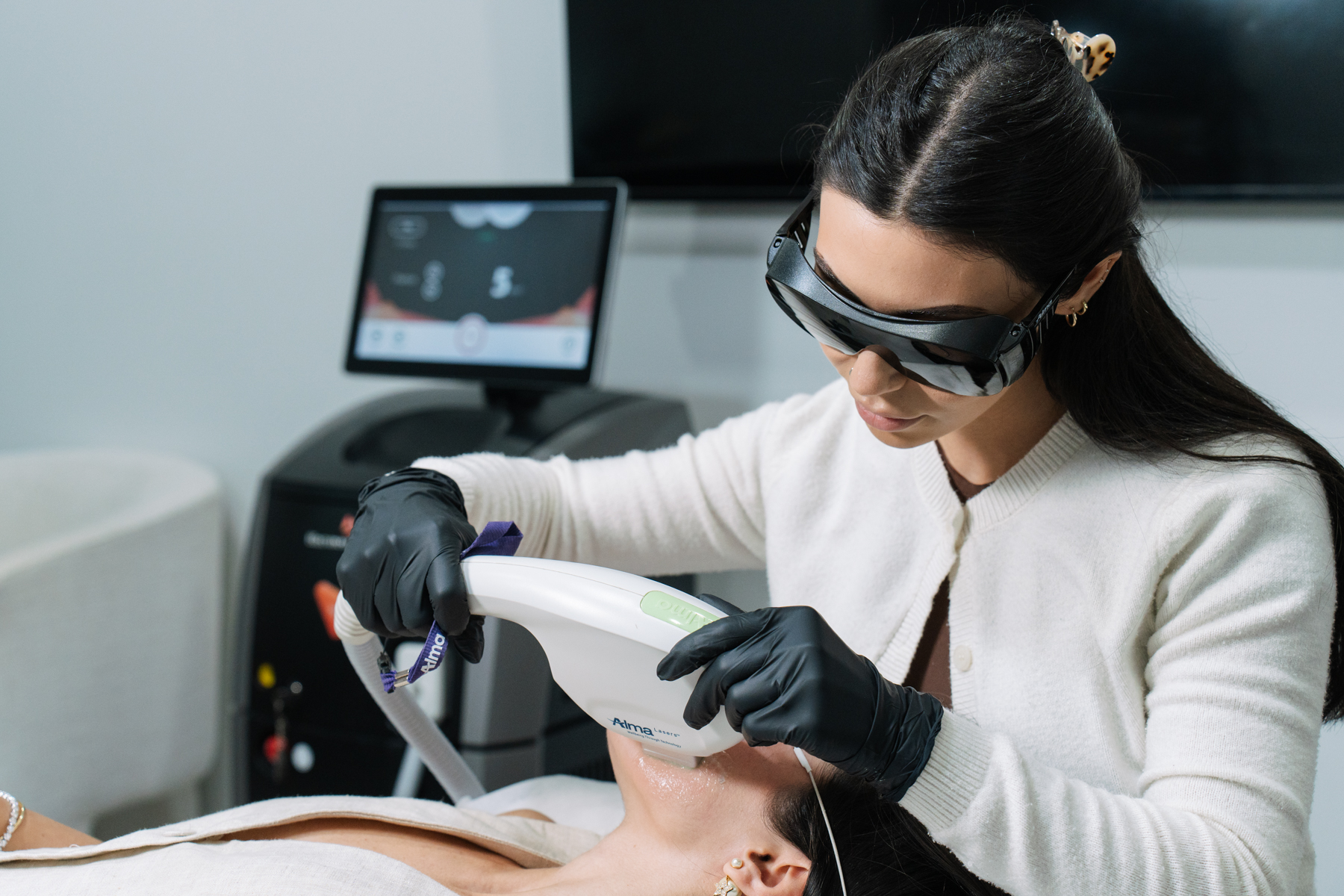
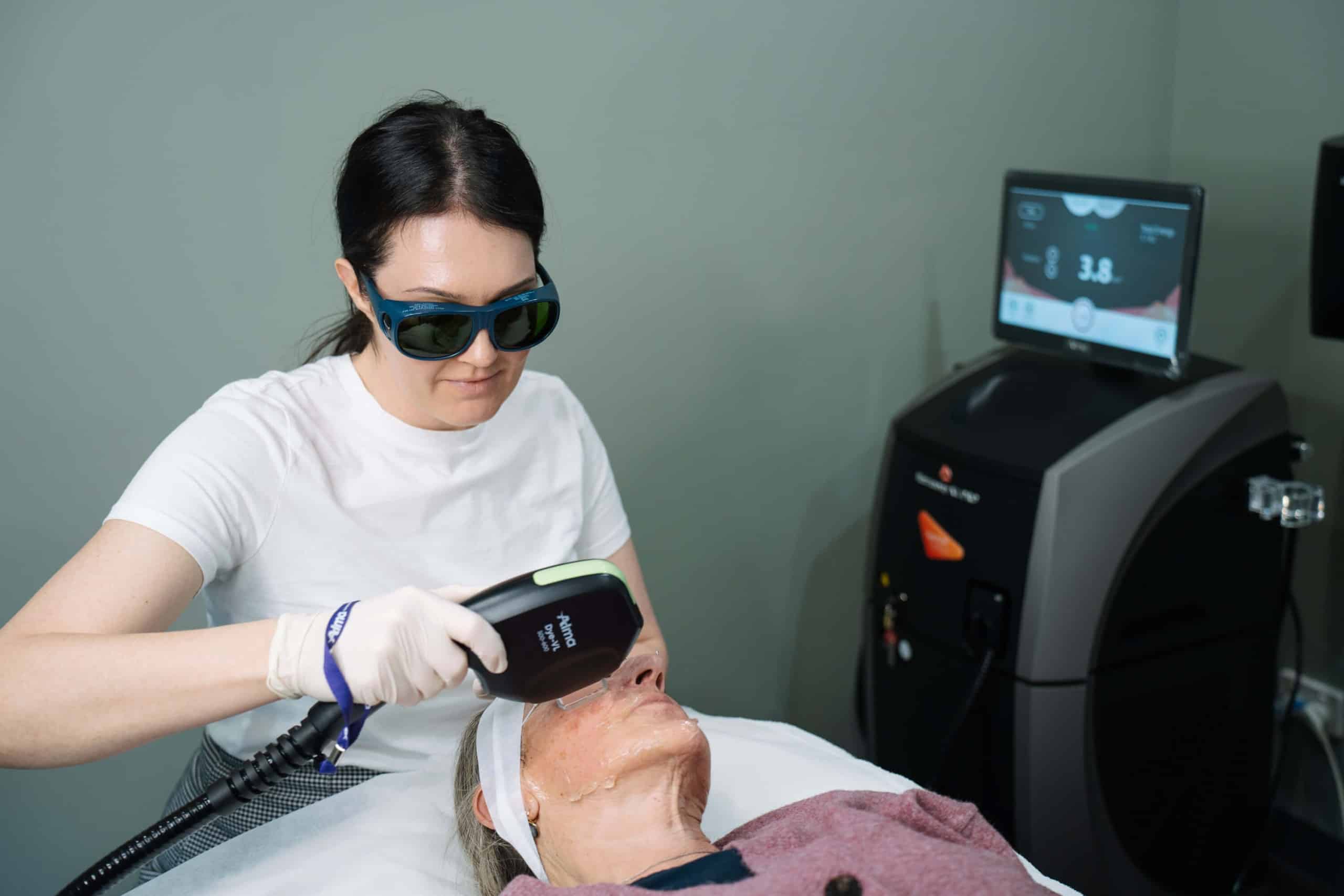
No, IPL and laser treatments are different technologies, but they are often grouped together. Laser treatments deliver a single, focused wavelength of light energy to a precise target in the skin. IPL uses broad-spectrum light across a range of wavelengths, which allows it to address multiple skin concerns in a single session.
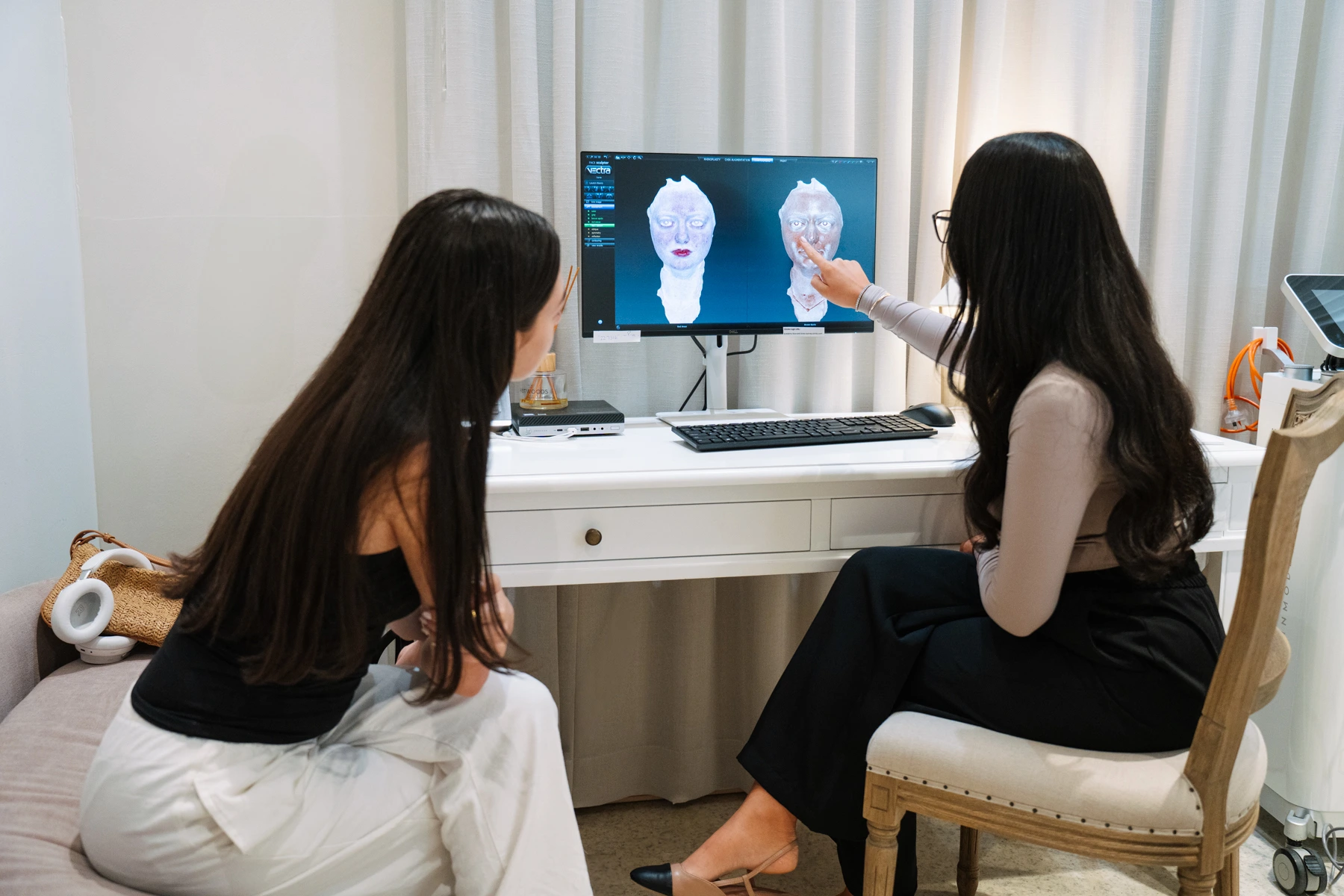
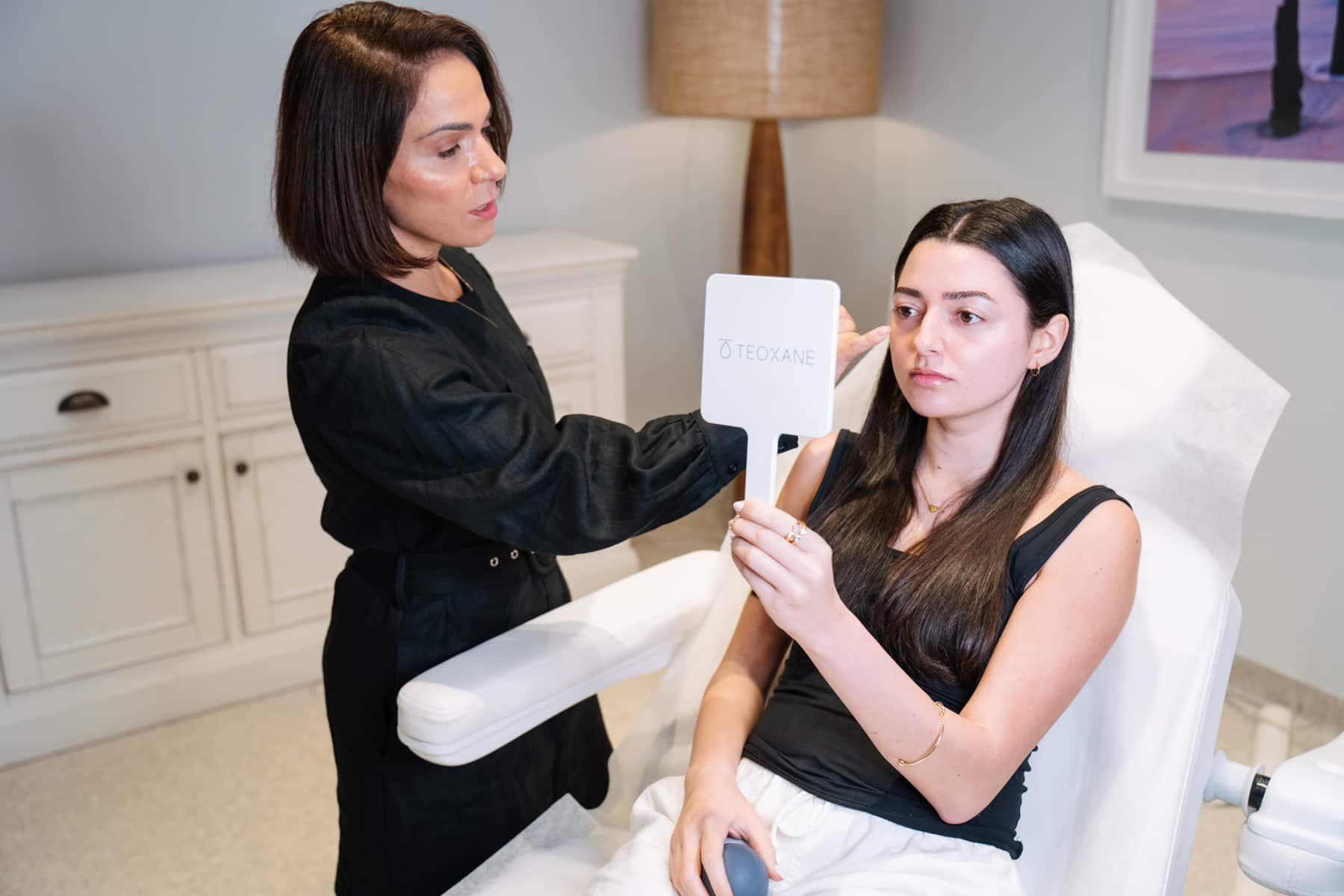
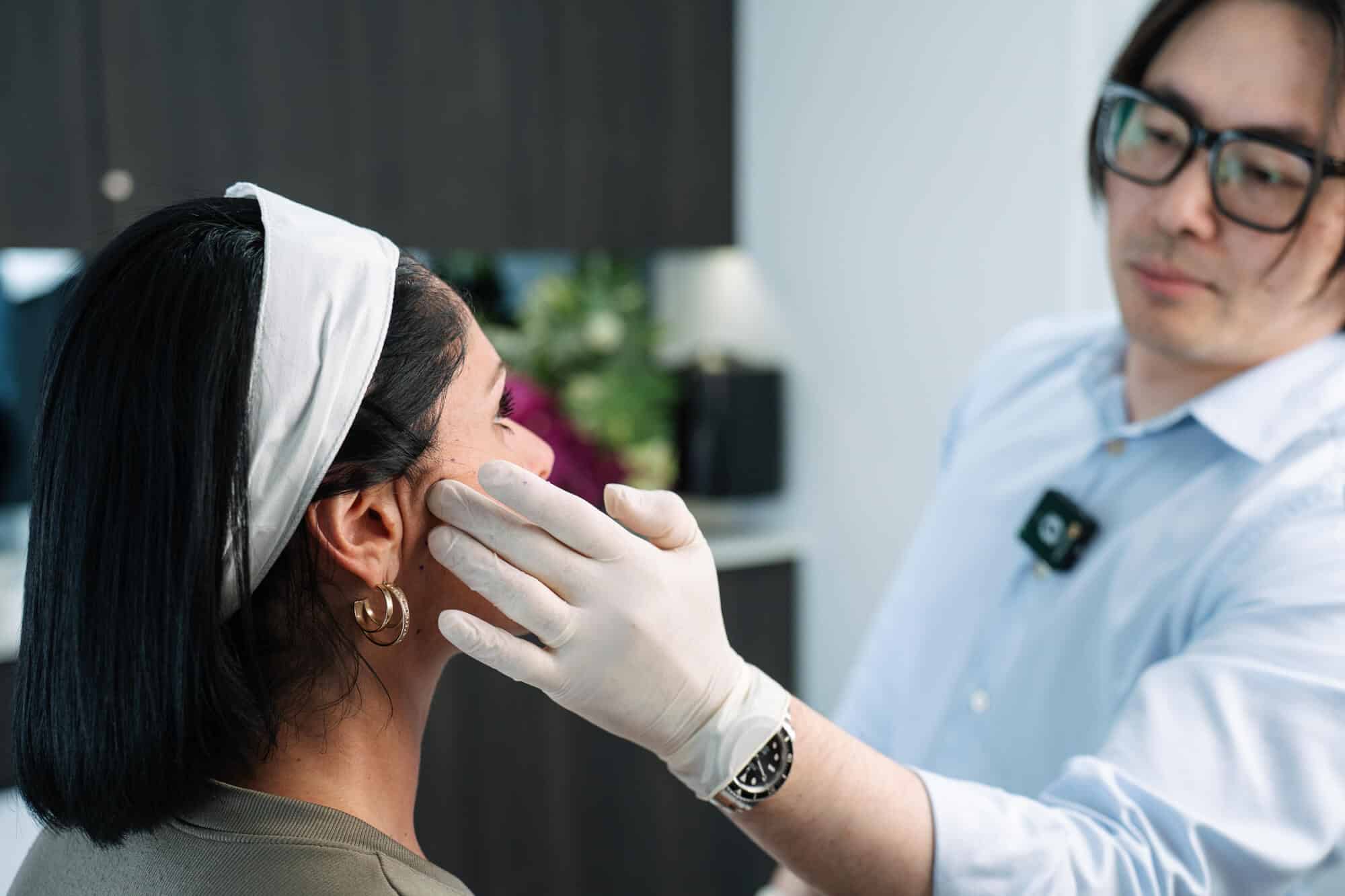
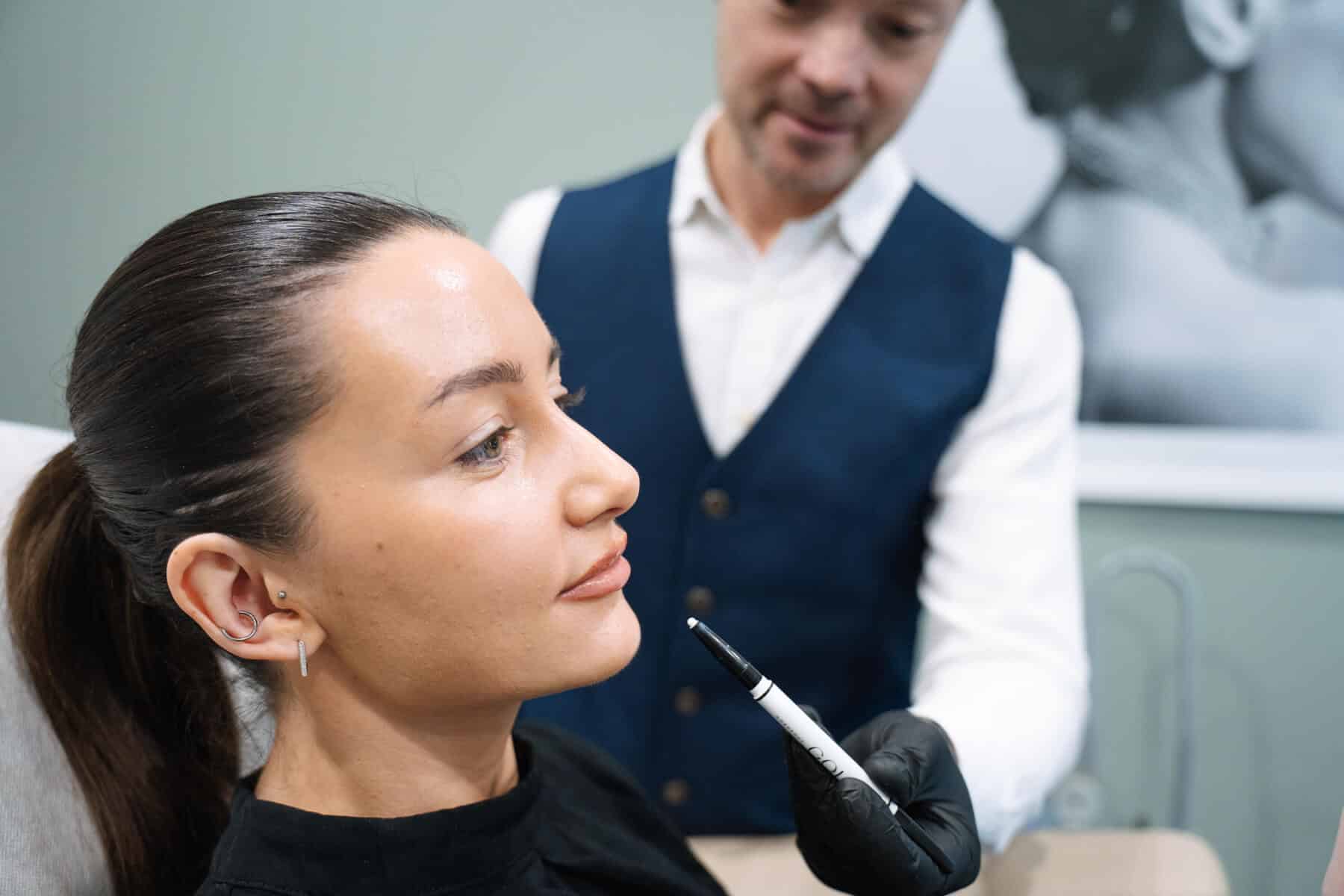
IPL and laser treatments are not always interchangeable. Some concerns respond better to the targeted approach of laser and others may be better suited to IPL. That’s what we determine in your consultation and will discuss with you.
What does IPL Feel Like?
IPL is designed to be non-invasive treatment, meaning it aims for minimal pain and downtime.
For many, the sensation of IPL can be likened to an elastic band being flicked against the skin. This is accompanied by a mild heat that subsides in a minute or two.
Can I Combine IPL With Other Treatments?
Yes, you can. IPL is often discussed as part of a broader skin treatment plan. Depending on your skin concerns and the assessment findings from your consultation, your practitioner may suggest combining IPL with complementary treatments to address multiple concerns at once.
What combinations may be appropriate for you will depend on your individual skin condition, treatment history, and goals. This is best discussed during your consultation, where we can map out a treatment plan for your unique situati
Can I Use IPL for Hair Removal?
The intense light wavelengths can be tailored to target hair follicles. The heat from this light energy aims to prevent further growth at these follicles, operating as a type of laser hair removal.
What Should I Do to Prepare for IPL Treatment?
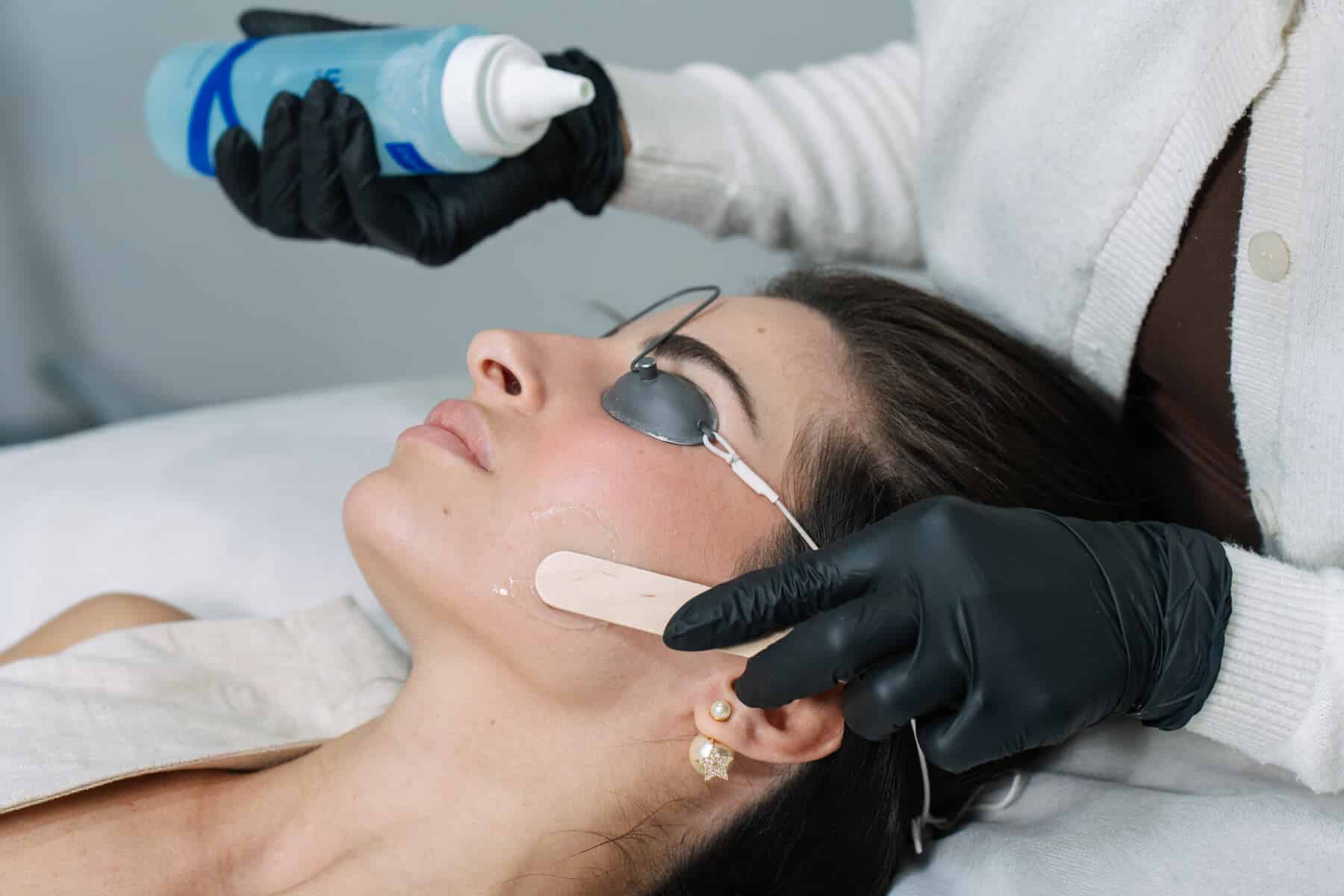
Your treating practitioner will provide you with specific pre-treatment instructions at consultation, tailored to your skin and the concerns being addressed. As a general guide, preparation in the weeks leading up to your appointment may include:
- Avoiding direct sun exposure and using SPF 50+ sunscreen daily in the lead-up to treatment
- Avoiding self-tanning products, spray tans, or sunbeds for at least two to four weeks prior
- Pausing the use of certain active skincare ingredients – including retinoids and exfoliating acids
- Avoiding waxing, threading, or depilatory creams in the treatment area if IPL is being used for hair concerns
- Disclosing all medications and supplements at consultation, as some can affect skin sensitivity to light
Your practitioner will confirm which of these apply to your individual circumstances and may provide additional instructions specific to your treatment plan.
Can IPL Cause Cancer?
No, IPL does not cause cancer. This is an understandable concern, and one worth asking. IPL uses non-ionising light energy. It does not emit radiation of the kind associated with cancer risk, such as UV or X-ray radiation. Current evidence does not support a link between IPL treatment and the development of cancer.
If you have any existing skin lesions, moles, or areas of concern, it is important to have these assessed by your GP or dermatologist before undergoing any cosmetic skin treatment. IPL should not be used over undiagnosed pigmented lesions. Your practitioner will review your skin at consultation and refer you for a skin check where appropriate.
Can IPL Cause Hyperpigmentation?
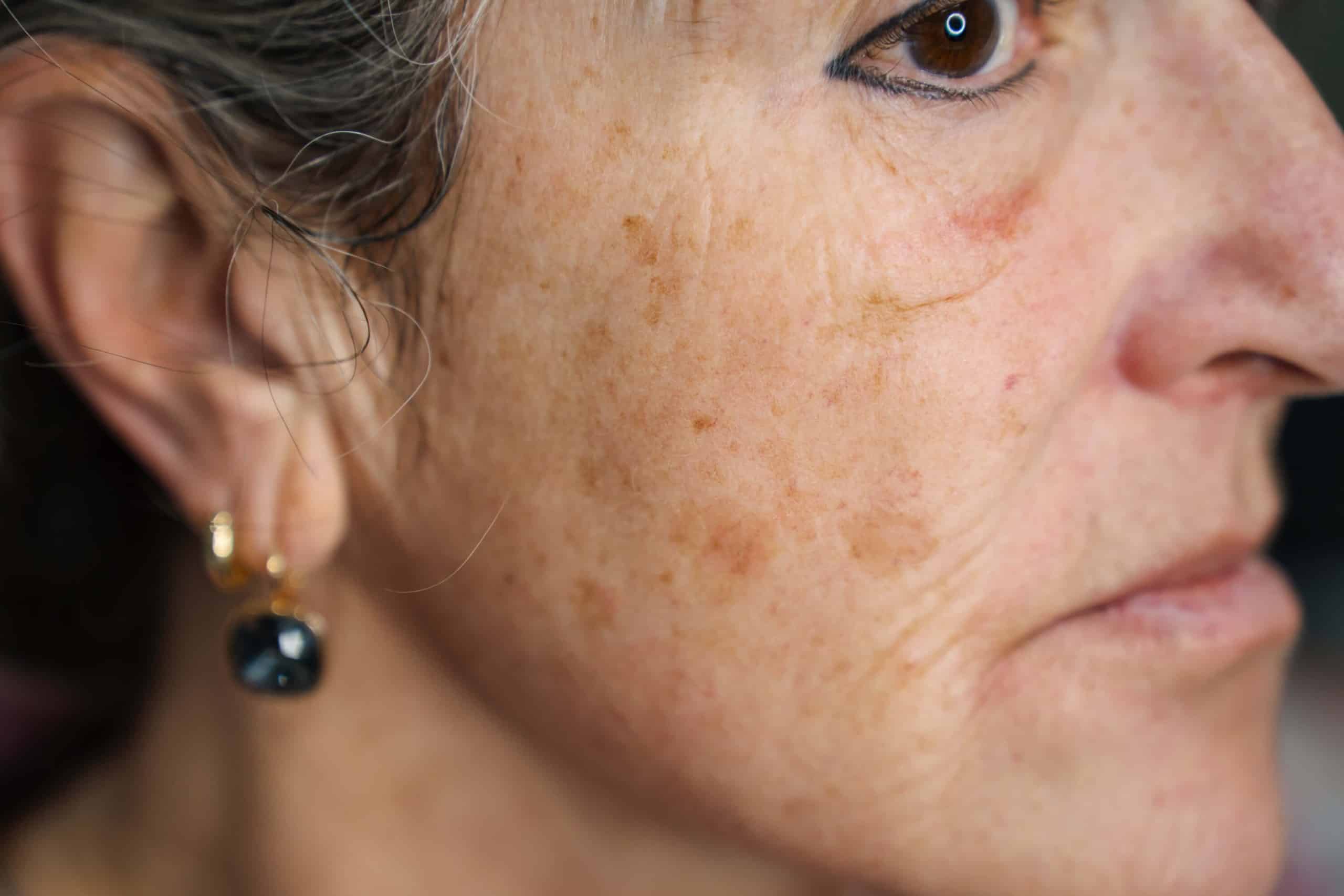
In some circumstances, yes. That’s why a consultation matters – before any treatment is recommended. IPL delivers light energy that is absorbed by pigment in the skin. In people with darker skin tones, recently tanned skin, or certain pigmentation conditions such as melasma, IPL can overstimulate melanocytes and worsen existing pigmentation rather than address it.
This is one of the reasons IPL is generally considered more appropriate for lighter skin types, and why we conduct a detailed skin assessment before any treatment is recommended. If your skin tone or pigmentation type is not well suited to IPL, we’ll tell you so and your practitioner will discuss alternative approaches that may be more appropriate.