Skip to Content Skip to Navigation

As seen on

logo-nine
logo-seven
5-1
logo-ten-hq_1_x85
logo-sunrise-2
4-1
logo-smh
9
11-1
13
Contour-Clinics-on-OK-Mag
logo-gq
ABC-Australian-Broadcasting-Corporation
14
hack-logo-home-link-thumbnail
7-1
Contour-Clinics-on-Costhetics-85-1
logo-2gb
logo-phalloboards-hq_1_x50_1_200x
8
logo-cleo
3-1
Ra2f01a936f19469a298d1727c5c9c739_x50
2-1
6-1
Australian Financial Review
news.com.au logo
What Causes Facial Redness and how to treat it

What Causes Facial Redness?

There are various reasons your face may display red spots, visible veins, or flush without exertion. Rosacea and facial redness often result from genetics, sun exposure, inflammation, or visible broken capillaries. You may have been exposed to skin irritants or are developing a medical condition that requires intervention.

It’s worth understanding why your face has visibly changed so that you can make an informed decision about what options may be suitable for you. 

Rosacea

Rosacea is the result of a chronic skin inflammation, where blood vessels in the face easily dilate and remain so for long periods. This causes persistent redness and flushing across the face, especially over the cheeks, nose and chin. Rosacea symptoms may progress to red bumps or blotches, and in some cases, even pustules.

This condition doesn’t have an exact cause, but may be related to:

  • Genetics
  • Environmental factors
  • Reactions to demodex mite (a type of mite that lives on skin)

Stress and anxiety can also trigger or worsen facial flushing in some individuals, particularly those with an existing predisposition to rosacea. While cosmetic treatment may address the visible presentation of redness, managing underlying triggers – including stress – is best discussed with your GP or a relevant health professional alongside any cosmetic treatment planning.

If you experience symptoms of rosacea, you may notice the following factors exacerbating your condition:

  • Hot drinks and food
  • Spicy foods
  • Alcohol
  • Sunlight or sudden changes in the weather
  • Strenuous exercise
  • Corticosteroids
  • Certain skincare products or ingredients


Keeping track of rosacea symptoms and their triggers may help in determining what causes your facial redness.

Cherry Angioma

Cherry angiomas, also known as Campbell de Morgan spots, are benign overgrowths of skin blood vessels. They are typically permanent spots on the skin that can be either flat or raised, and may also increase in size and number with age. Angiomas can also range in colour from red, blue, or varying shades of purple.

While there’s no identified cause of cherry angiomas, they’re common across all skin types and tones. Some doctors believe hormonal changes, such as those from pregnancy, may encourage the development of these spots.

It should be noted that cherry angiomas are typically not a cause for concern unless they are changing size and/or shape, or are bleeding frequently. If this occurs, see a trusted doctor for an assessment.

Dermatitis

Generally used to describe skin inflammation, dermatitis is a fairly common condition that can be caused by various factors. This includes:

  • Allergies
  • Environmental irritants such as soaps, perfumes or poison ivy
  • Infections
  • Genetic conditions like eczema or hay fever
  • Stress
  • High temperatures
  • Excessive sweating

Symptoms of dermatitis may vary between individuals and their causes, but common conditions of the skin include redness, inflammation, itchiness, small bumps, blisters and scaly patches.

What to Expect at Your Rosacea and Facial Redness Consultation

Eczema

A type of chronic dermatitis, eczema creates dry, itchy and inflamed patches of the skin across the face and body. This is due to weakness and a lack of moisture in the skin’s natural barrier, which prevents it from protecting the skin from irritants.

Eczema is commonly believed to be genetic or caused by environmental irritants. If left untreated or frequently scratched, the skin condition may worsen over time.

Sun Damage

Repeated sun exposure, especially on the face, may lead to sun damage. This includes the early onset of fine lines and wrinkles, as well as patches of red, scaly skin.

Without proper preventative treatments, like regular application of SPF 50+ suncream, these red patches may be accompanied by further dryness and flakiness, leaving your skin damaged and dry.

Broken Blood Vessels

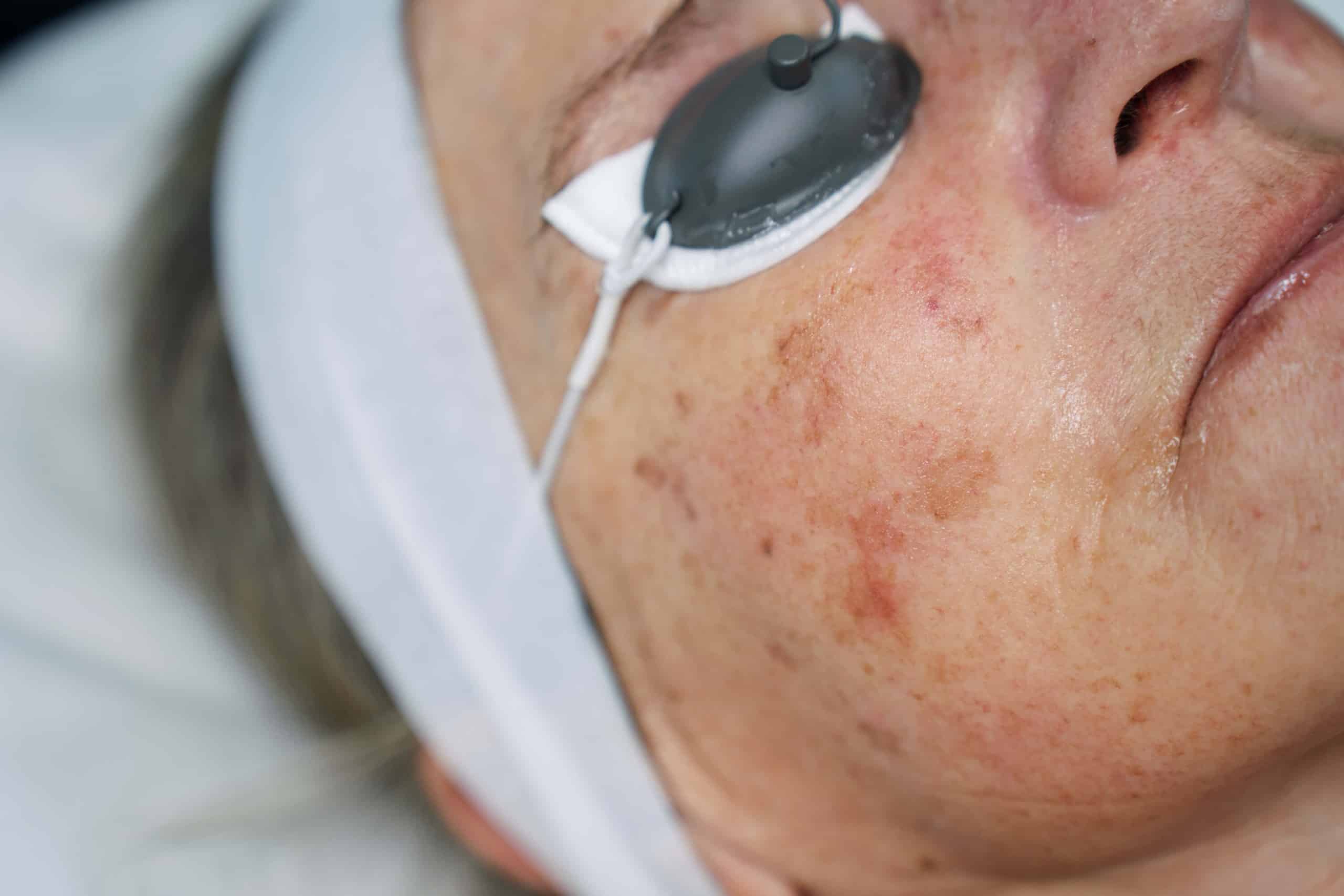
For some, prominent veins resulting from broken blood vessels, otherwise known as spider veins, may become visible on the skin’s surface. Many cases see broken capillaries appearing on the face, particularly around the nose, chin, cheeks and forehead.

Other areas of the body that may also show visible veins include the breasts, legs, arms and décolletage.

These capillaries and veins were always there but they have become enlarged and more visible.

Some reasons capillaries slowly enlarge to become visible include:

  • Skin trauma
  • Sun damage
  • Age-related changes
  • Hormone changes, especially during pregnancy
  • Hot weather changes
  • Intense bouts of vomiting or sneezing

Typically, spider veins are a harmless and mostly cosmetic condition. However, by identifying their cause, much like other cases of redness, a tailored treatment plan can be created to target it. 

Cosmetic Treatment Options for Rosacea and Facial Redness from Contour Clinics in Sydney and Brisbane

Cosmetic Treatment Options for Rosacea and Facial Redness

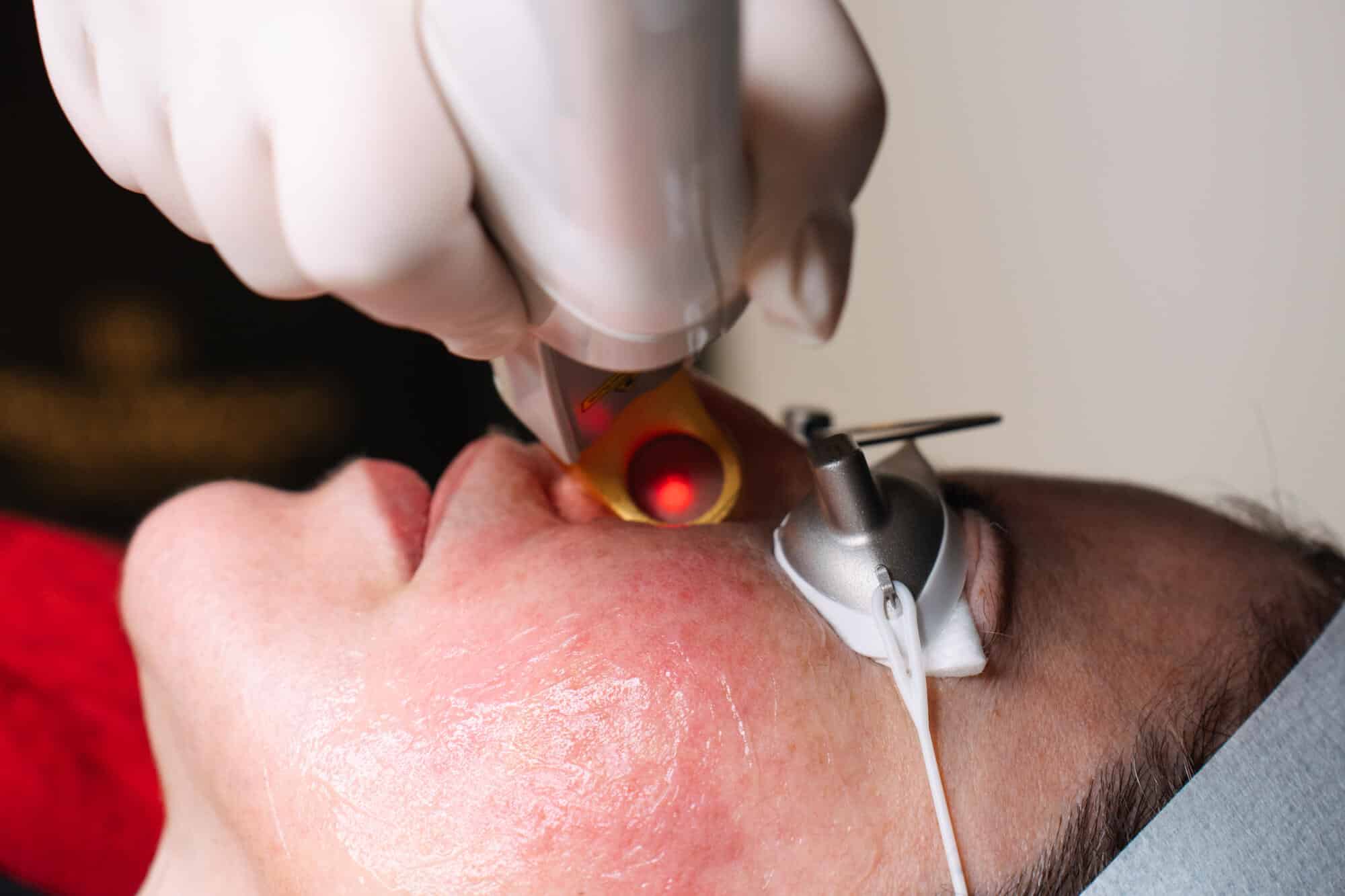
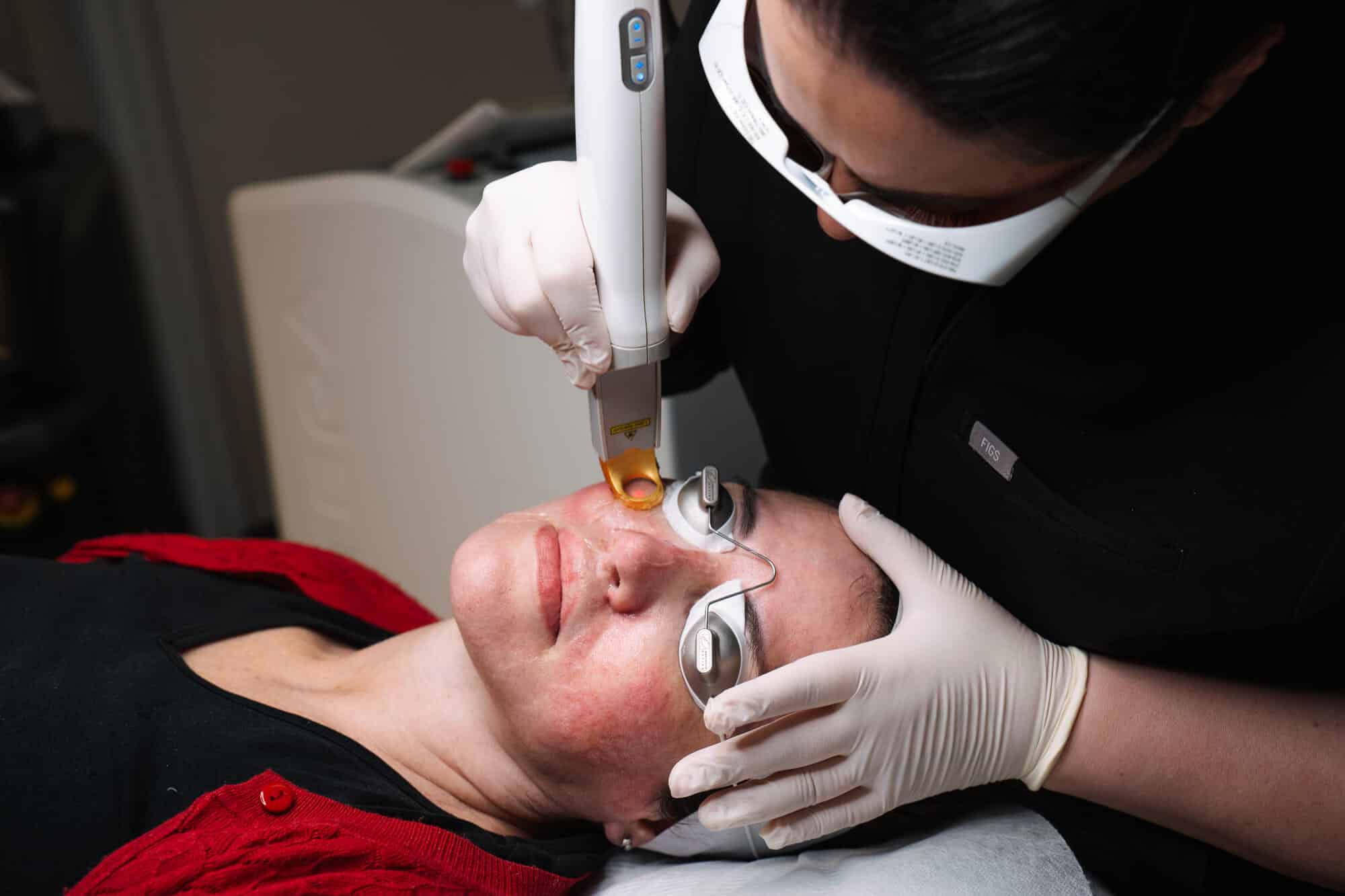
If you’re experiencing a type of facial redness like rosacea or broken capillaries, it may be worth considering treatments designed to reduce their appearance. Our advanced laser technologies specifically target visible blood vessels associated with these common skin concerns.

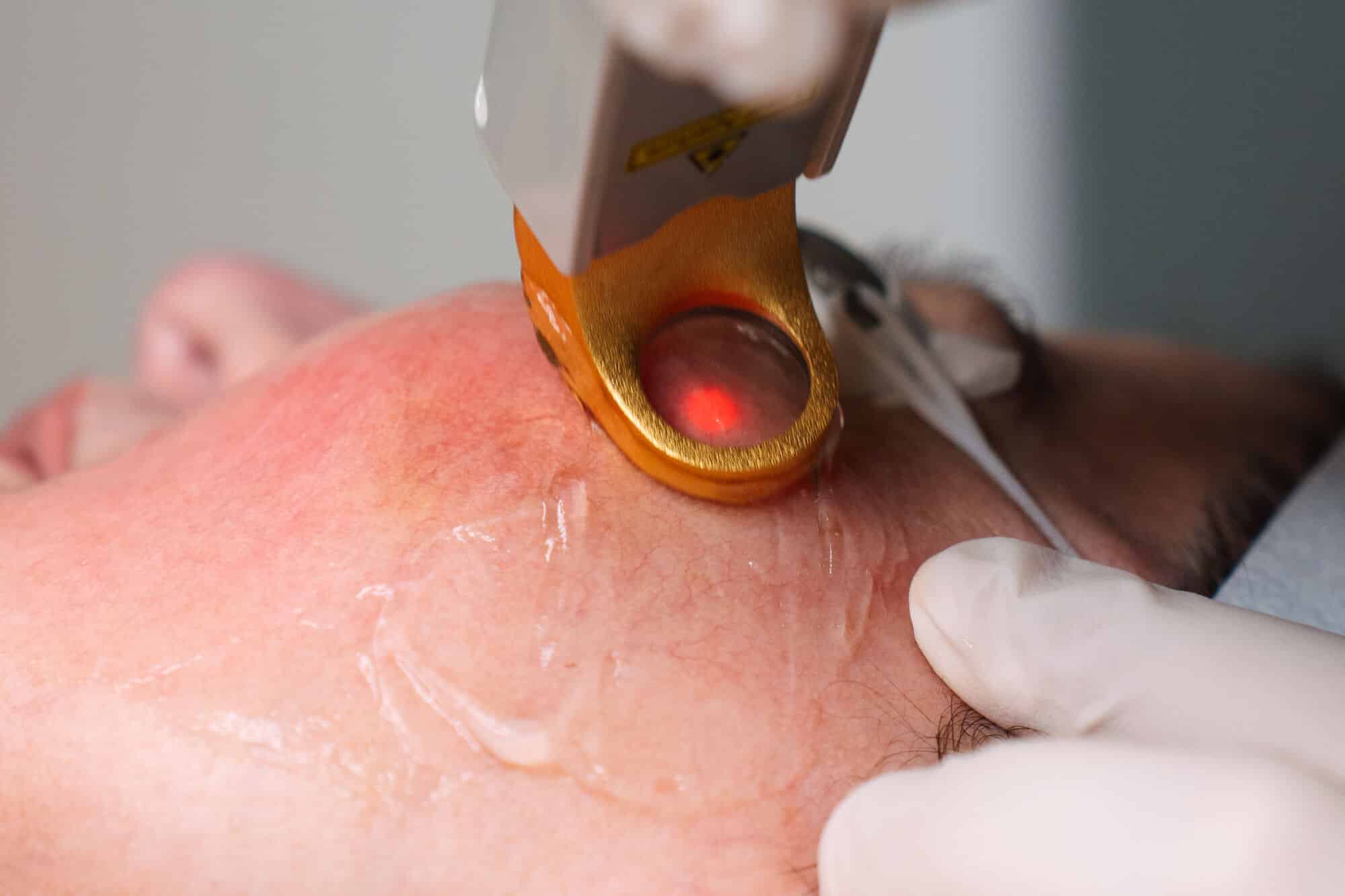
Laser treatments deliver targeted energy to areas of concern, gently heating and sealing affected blood vessels while leaving surrounding skin unharmed. The body naturally absorbs the treated vessels over time, improving the appearance of redness in its many forms.

Common laser treatment recommendations to reduce redness include:

  • Laser Genesis: A type of long-pulse Nd:YAG laser, this method addresses deeper vessels, cherry angiomas and persistent redness, commonly seen in moderate to severe rosacea. It’s also suitable for all skin types, encouraging natural collagen production to leave its texture and complexion more even.
  • IPL (Intense Pulsed Light): Suitable for broader areas of facial redness, rosacea, cherry angioma, and fine capillaries. Broad-spectrum light is used at selected wavelengths to be absorbed by areas of redness to break down the pigmentation and smooth out the skin.
  • LED Light Therapy: Varying wavelengths of light are used to target redness and pigmentation at multiple levels of the skin. Different wavelengths may be used to address redness, visible blood vessels, and certain acne-related concerns, depending on assessment findings.

We may recommend multiple sessions of laser, depending on your skin and how it responds to treatment. This will typically be discussed during your initial consultation, along with scheduling future maintenance treatments to help keep your complexion even.

For a personalised assessment and treatment recommendation, we encourage you to schedule a consultation with one of our experienced cosmetic practitioners.

Doctor-led cosmetic consultations, skin treatments + laser in Sydney's Hills District

Is Laser Treatment for Rosacea Suitable for My Skin?

Laser and light-based treatments for rosacea and facial redness are not one-size-fits-all. Suitability depends on a range of individual factors, and a thorough skin assessment is the only reliable way to determine which approach (if any) is appropriate for you.

Factors your practitioner will consider include:

  • Skin type and tone – some laser technologies are better suited to certain Fitzpatrick skin types than others. Your skin’s baseline sensitivity and reactivity will inform which modalities are appropriate
  • The nature of your redness – rosacea, broken capillaries, cherry angiomas, and sun-related redness each respond differently to different technologies. Accurate identification of the underlying concern is essential before any treatment is recommended
  • Skin condition at the time of assessment – active flare-ups, open lesions, recent sun exposure, or certain skincare products in use may affect timing and approach
  • Medical history and medications – some medications and health conditions affect how the skin responds to light-based treatments, and will be reviewed as part of your consultation
  • Previous treatments – your treatment history, including any prior laser, cosmetic, or medical treatments to the area, is relevant to our planning

If laser treatment is not the most appropriate approach for your skin at the time of assessment, your practitioner will discuss alternative options or refer you to the most suitable specialist for your circumstances.

Downtime And Recovery After Laser Skin Treatment explained by cosmetic doctors at Contour Clinics Sydney and Brisbane

What to Expect at Your Rosacea and Facial Redness Consultation

Rosacea and facial redness present differently from one person to the next. Triggers, progression and how skin responds to treatment can all vary. A thorough assessment is the starting point for any treatment discussion, and no two plans will look the same.

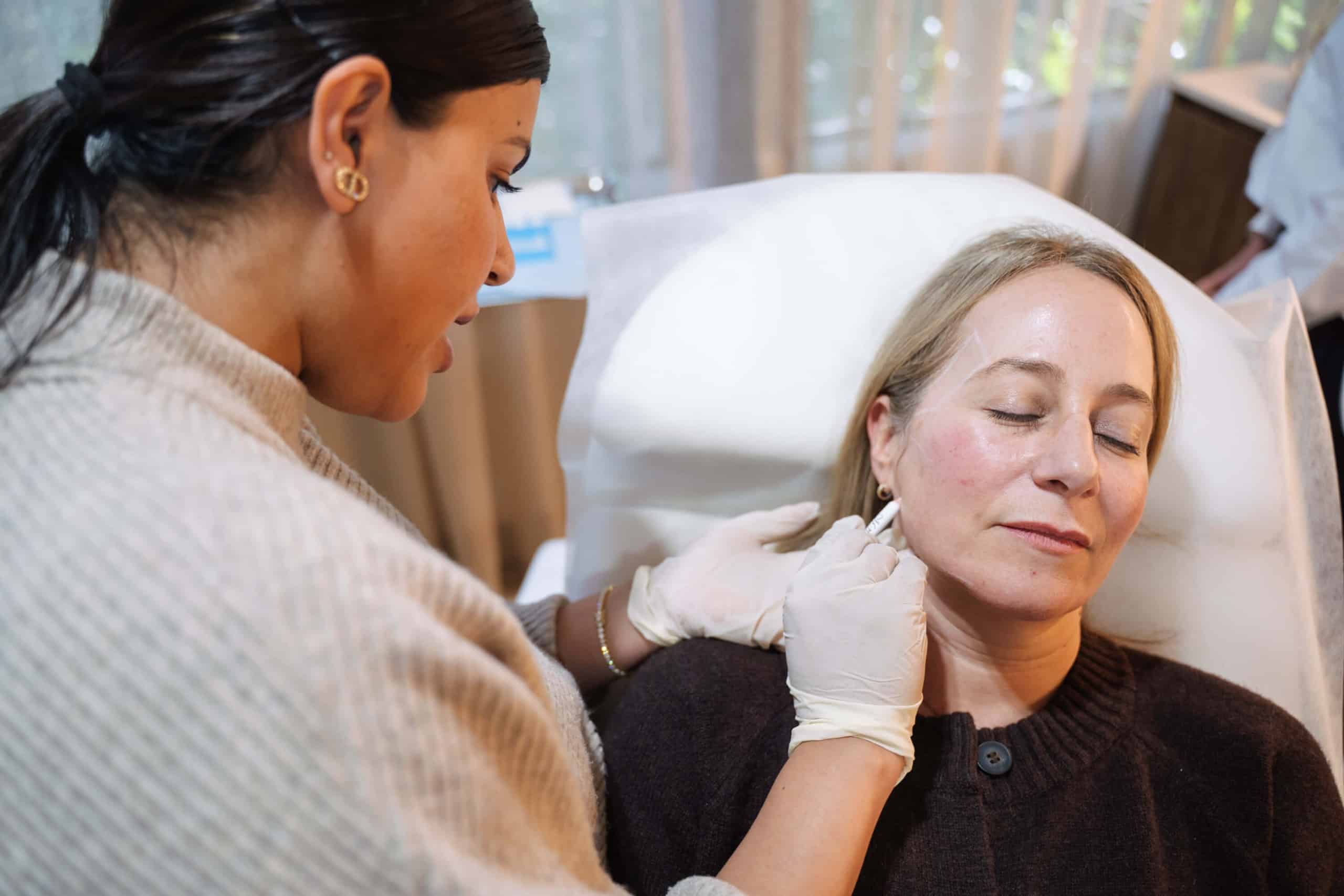
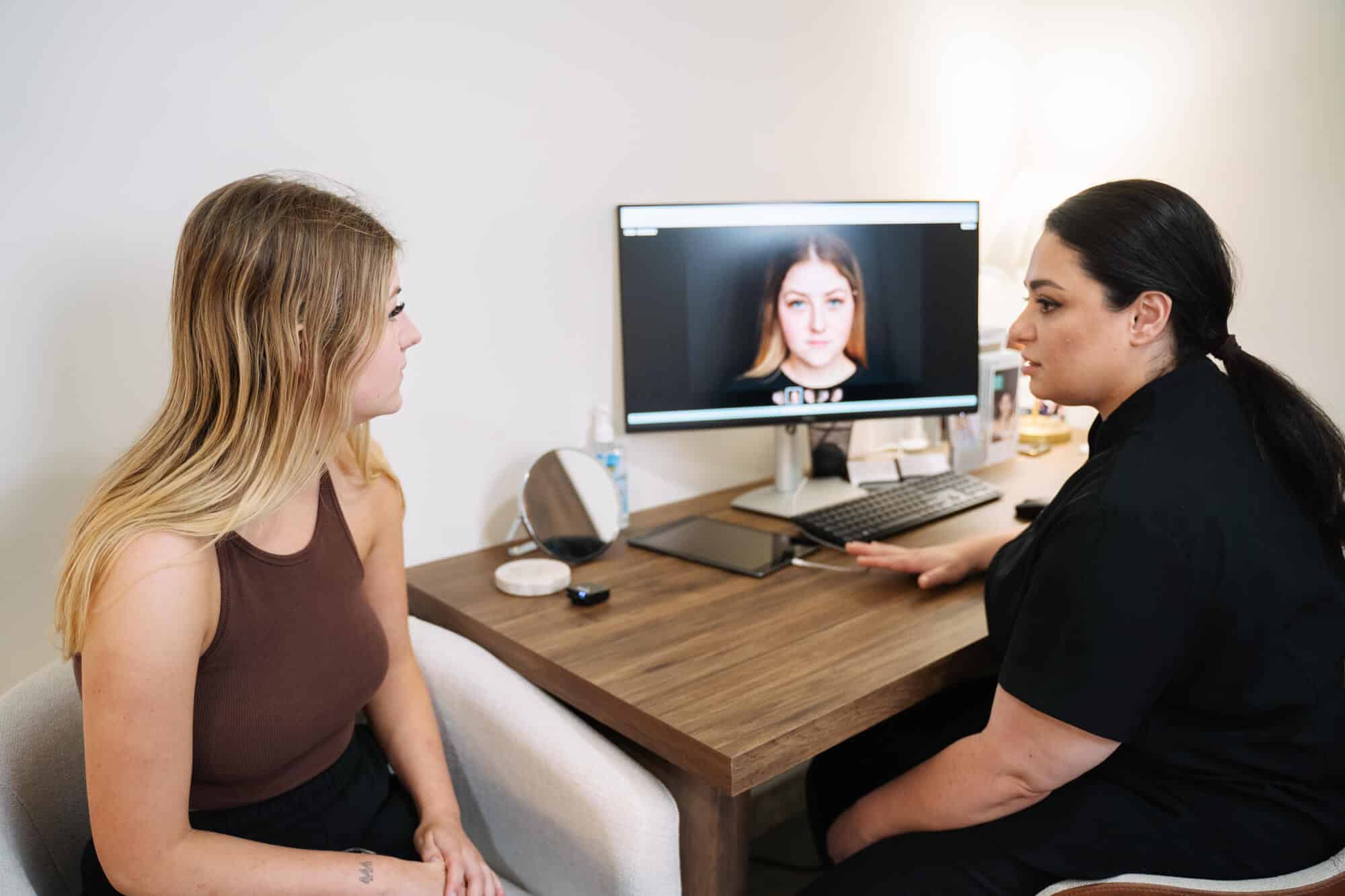
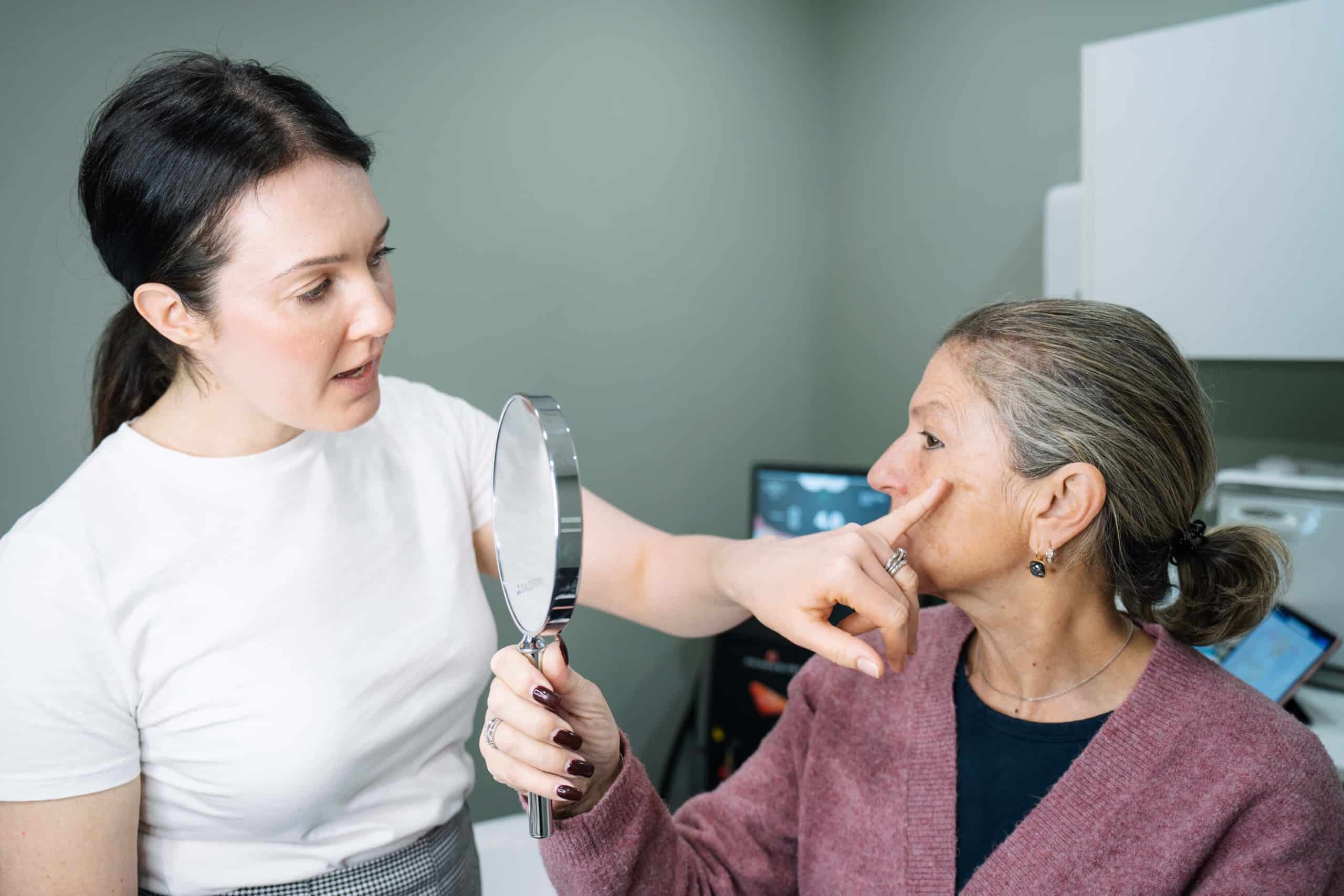
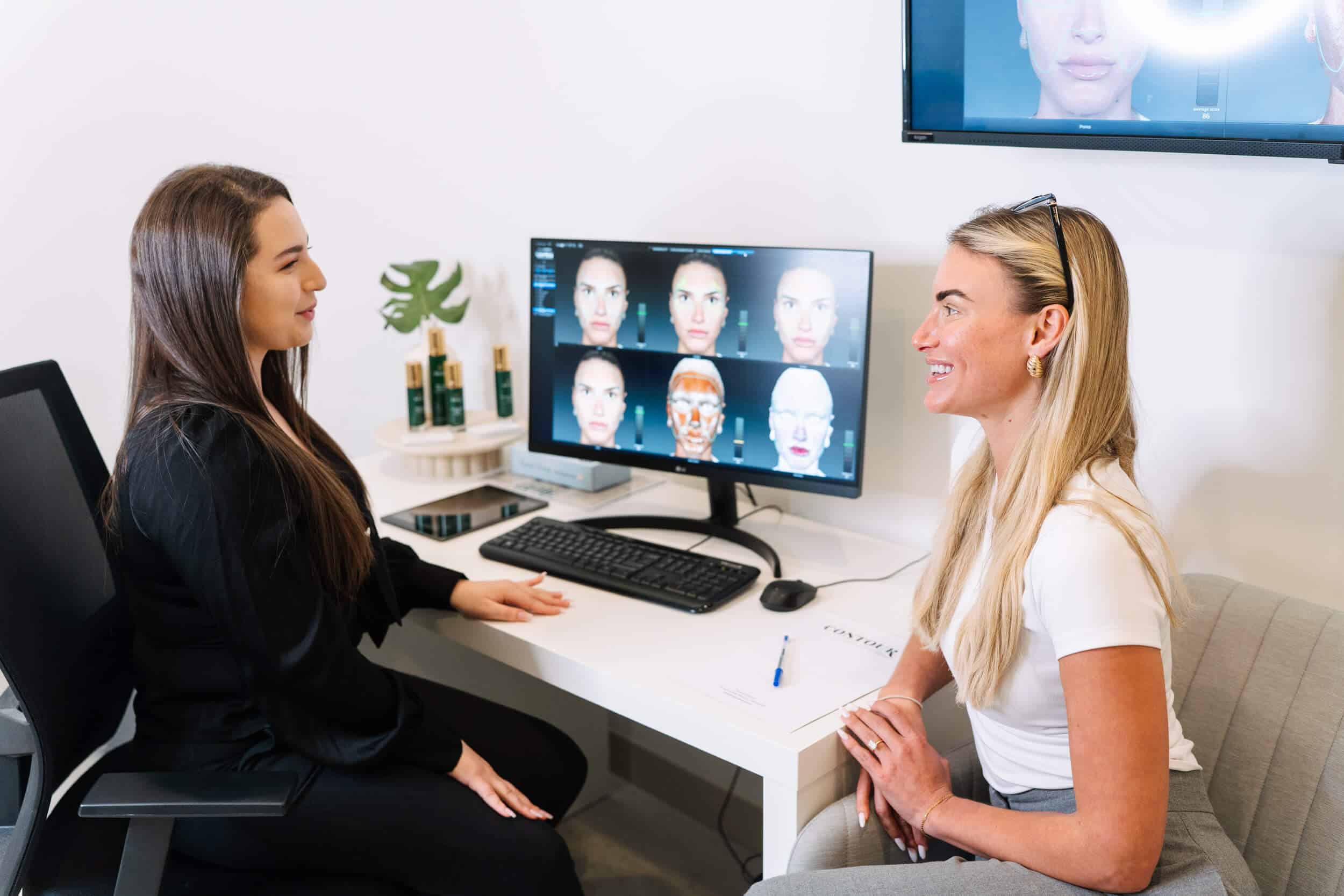
At Contour Clinics, your initial consultation is a 1:1 appointment with an experienced cosmetic practitioner. That typically involves:

  • A 1:1 discussion about what you’re experiencing, how long it’s been present and what you’d like to address – including any known triggers or previous treatments you’ve tried
  • A review of your medical history, current medications and any skin conditions or sensitivities that may be relevant to treatment planning
  • A detailed assessment of the affected areas, including skin type, vessel distribution, and the nature and extent of redness or flushing
  • Standardised clinical photography and, where appropriate, Vectra 3D imaging to document baseline skin condition and map the areas of concern
  • A discussion of treatment approaches that may be appropriate for your skin, including the technology involved, realistic expectations, limitations and any trade-offs 
  • A clear explanation of what recovery may look like, relevant aftercare, and any factors that could affect your skin’s response to treatment
  • A written plan and next steps you can review in your own time – with space to ask questions and decide without pressure

Your consultation is complimentary. A $75 deposit secures your booking and is credited to your treatment if you proceed, or refunded in full if you decide not to.

How Many Rosacea or Redness Treatments Will I Need

How Many Rosacea or Redness Treatments Will I Need?

Rosacea and facial redness are not one-and-done concerns. Because rosacea is a chronic condition and broken capillaries can continue to develop over time, treatment planning at Contour Clinics is built around addressing current concerns and supporting longer-term skin health.

The number of sessions recommended will depend on several factors, including the type and severity of redness, the treatment approach discussed at consultation, and how your skin responds over time. Some people see meaningful changes after a small number of sessions. Others benefit from a longer course of treatment followed by periodic maintenance.

As a general guide:

  • Isolated broken capillaries or cherry angiomas may be addressed in one to two sessions, depending on their extent
  • Rosacea-related redness and flushing typically responds to a course of treatments, with maintenance sessions recommended to manage the condition over time
  • Diffuse sun damage or generalised facial redness may require a staged approach, combining treatment modalities based on assessment findings

Your treating practitioner will outline a treatment plan specific to your skin at consultation, including an indicative number of sessions, spacing, and what to expect between appointments. This plan will be provided in writing so you can review it in your own time.

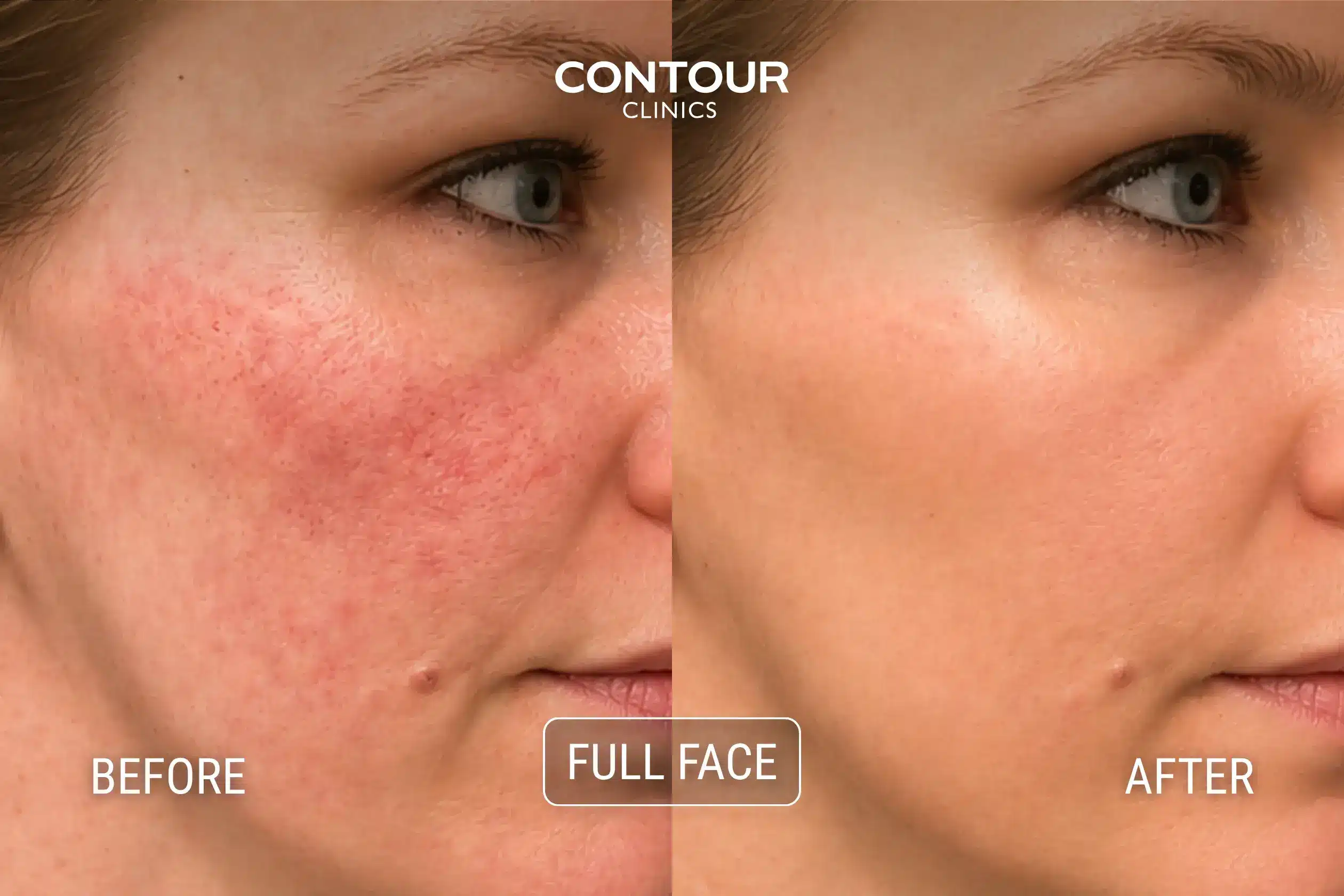
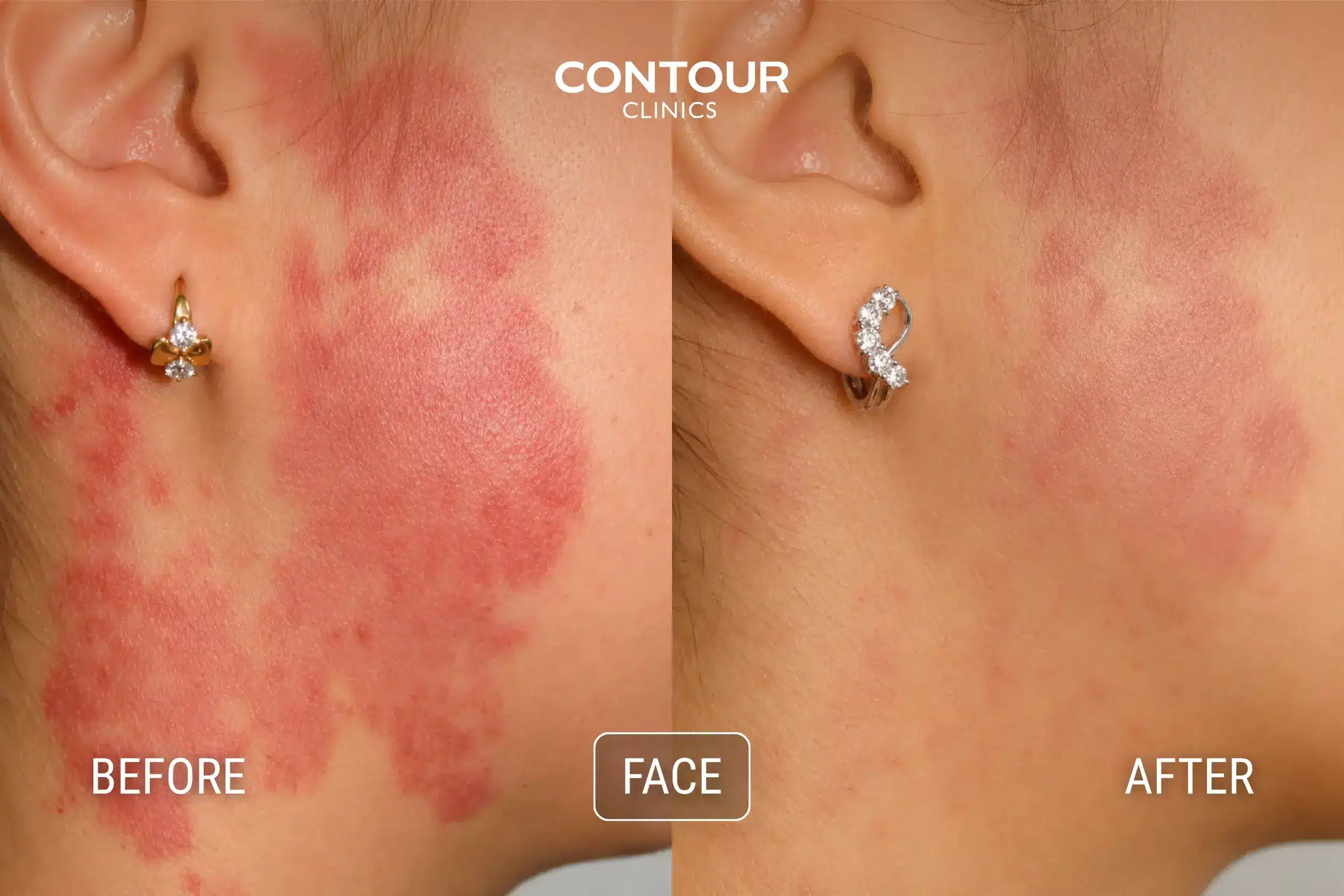
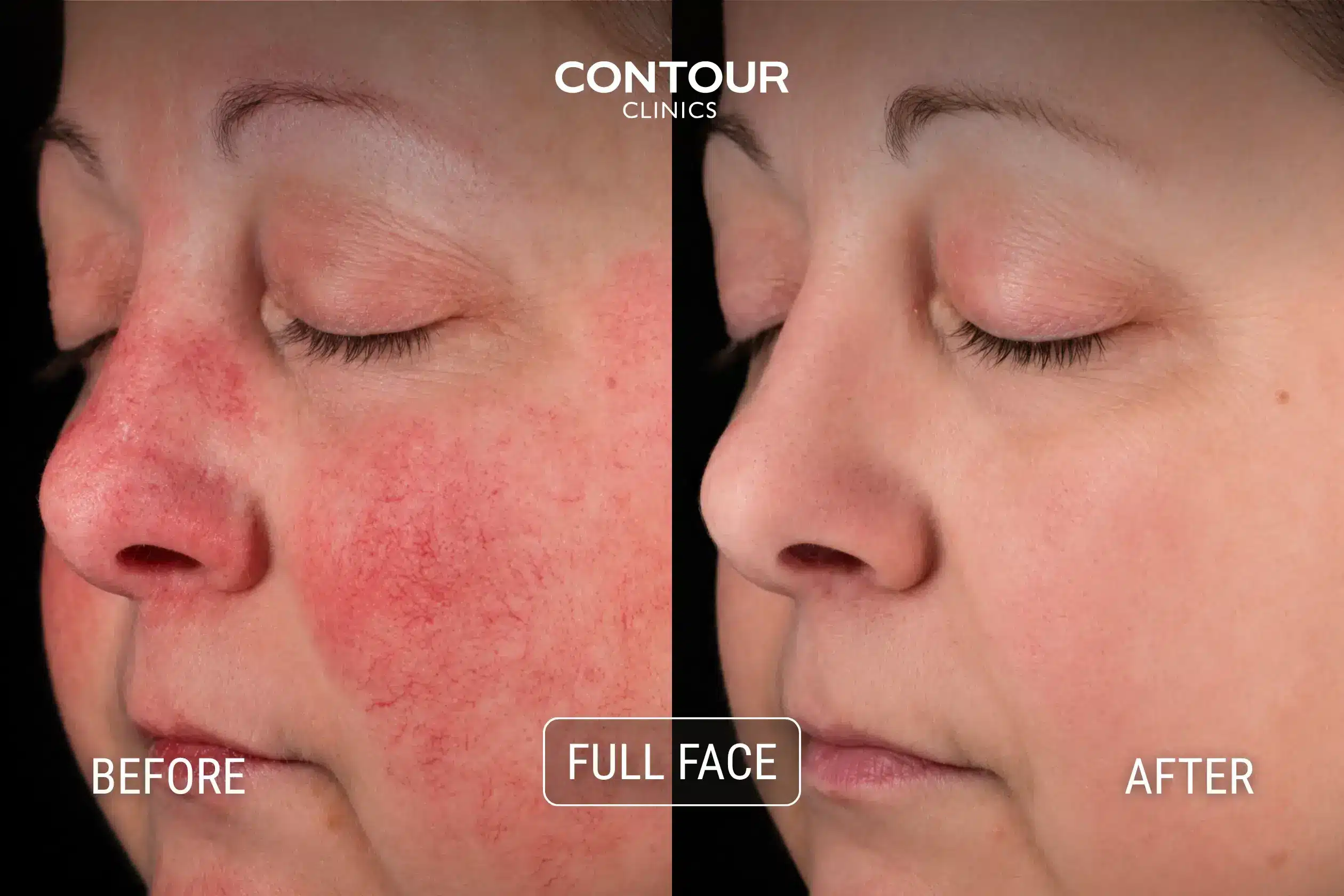
Before and after full face treatment for redness and rosacea with IPL at Contour Clinics
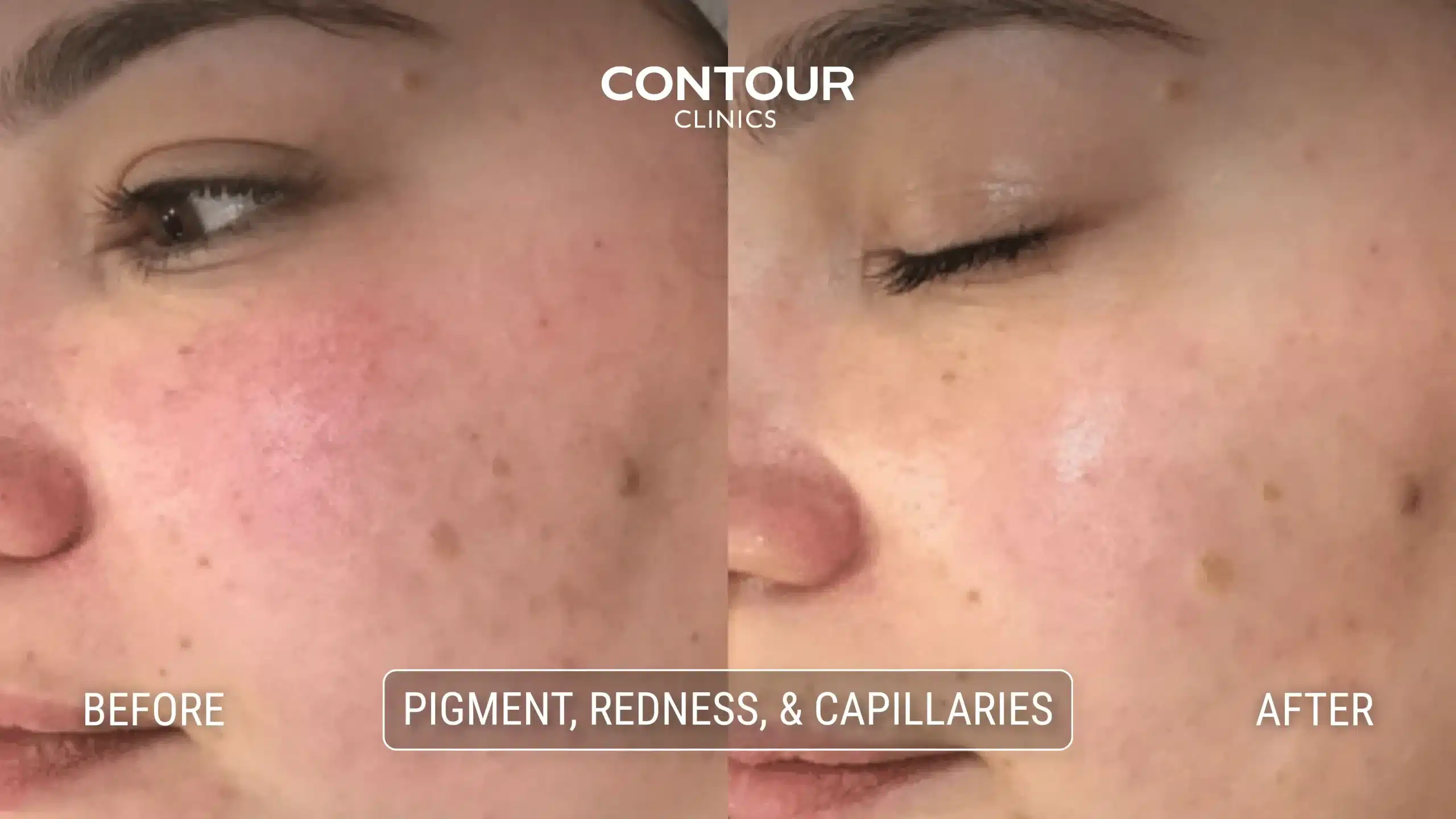
Before and after IPL treatemnt for pigment, redness and capillaries at Contour Clinics
Before and after treatment for redness and rosacea with IPL at Contour Clinics
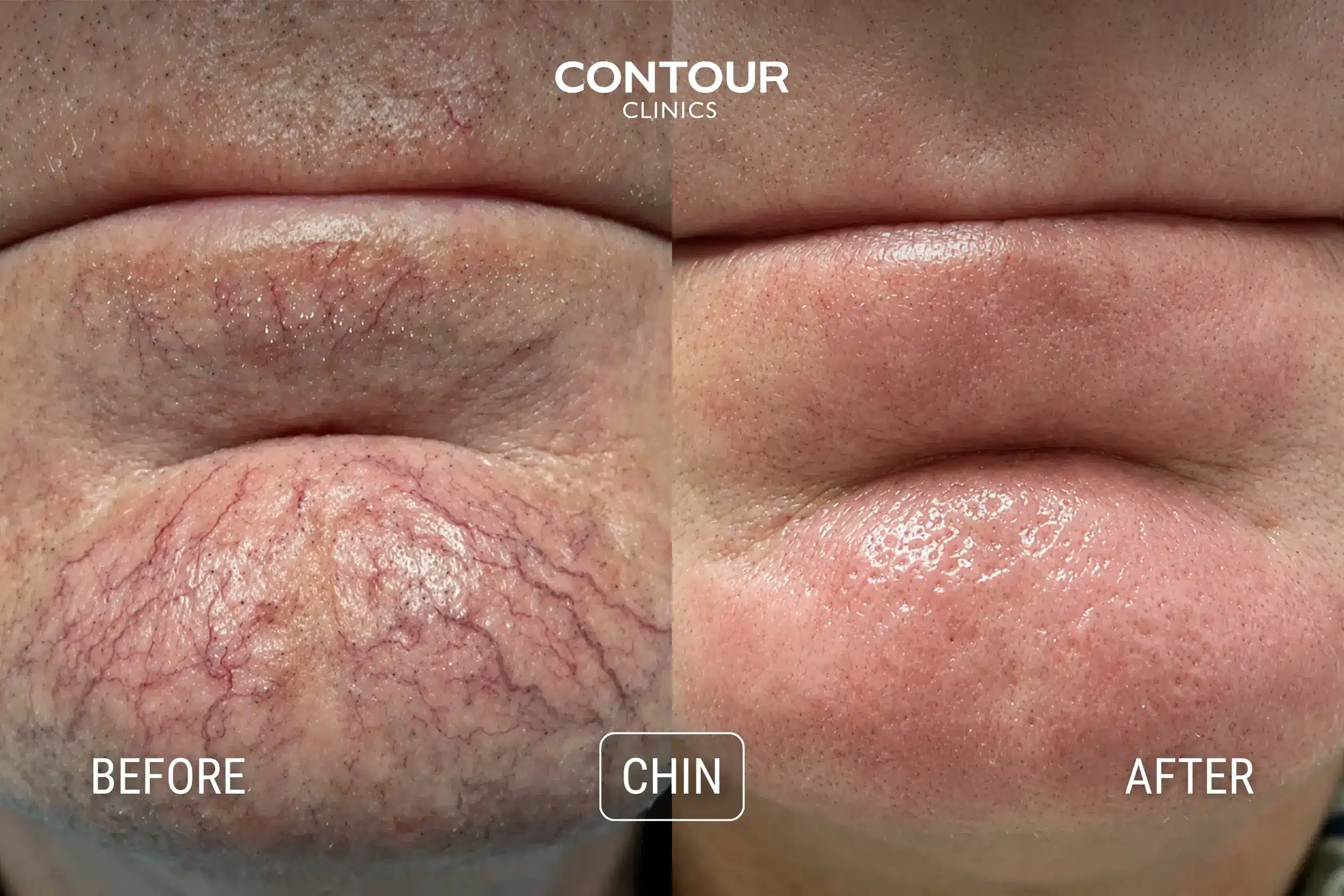
Before and after Nd YAG treatment for capillaries on chin
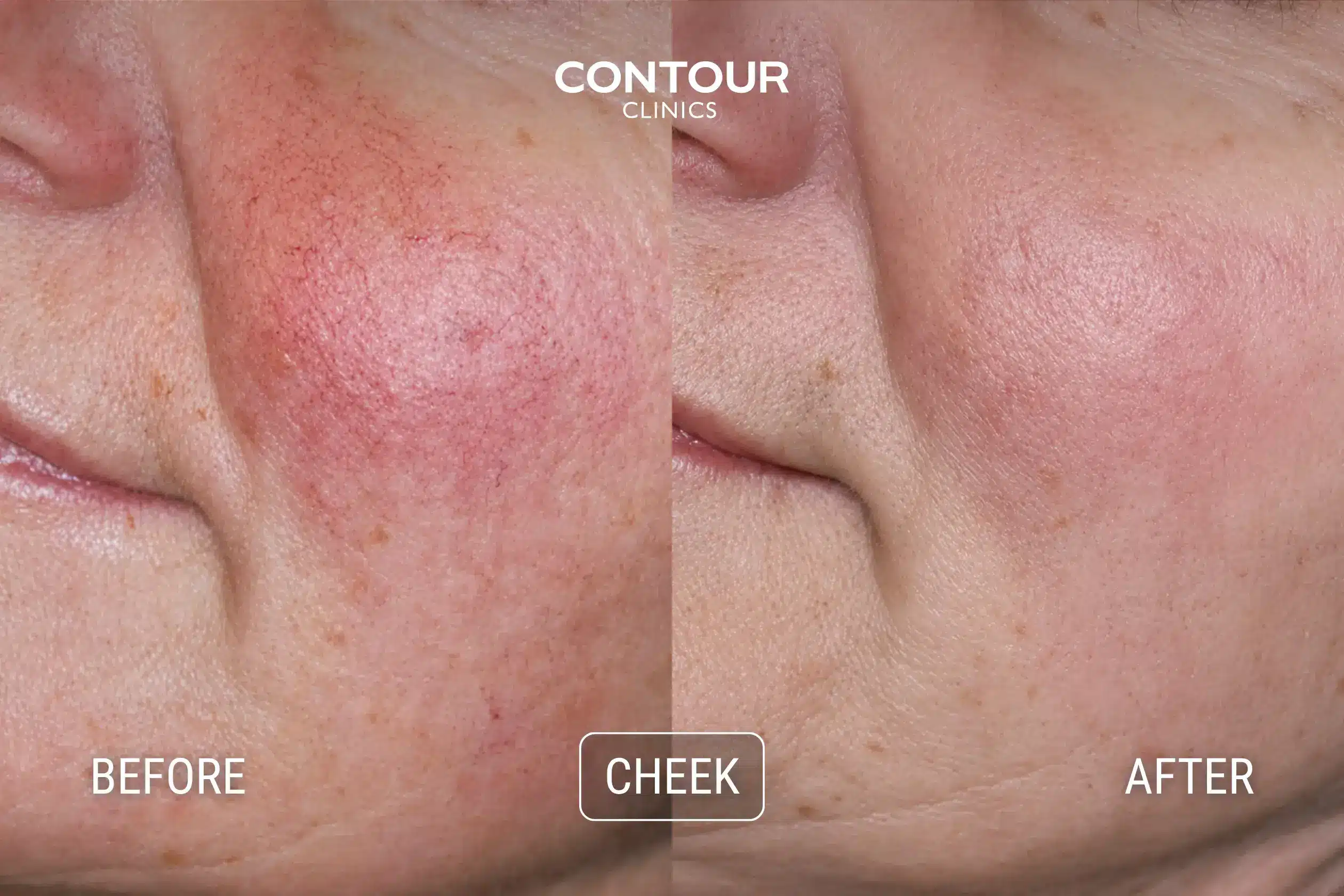
Before and after rosacea treatment to the cheeks
Before and after vascular treatment for facial redness
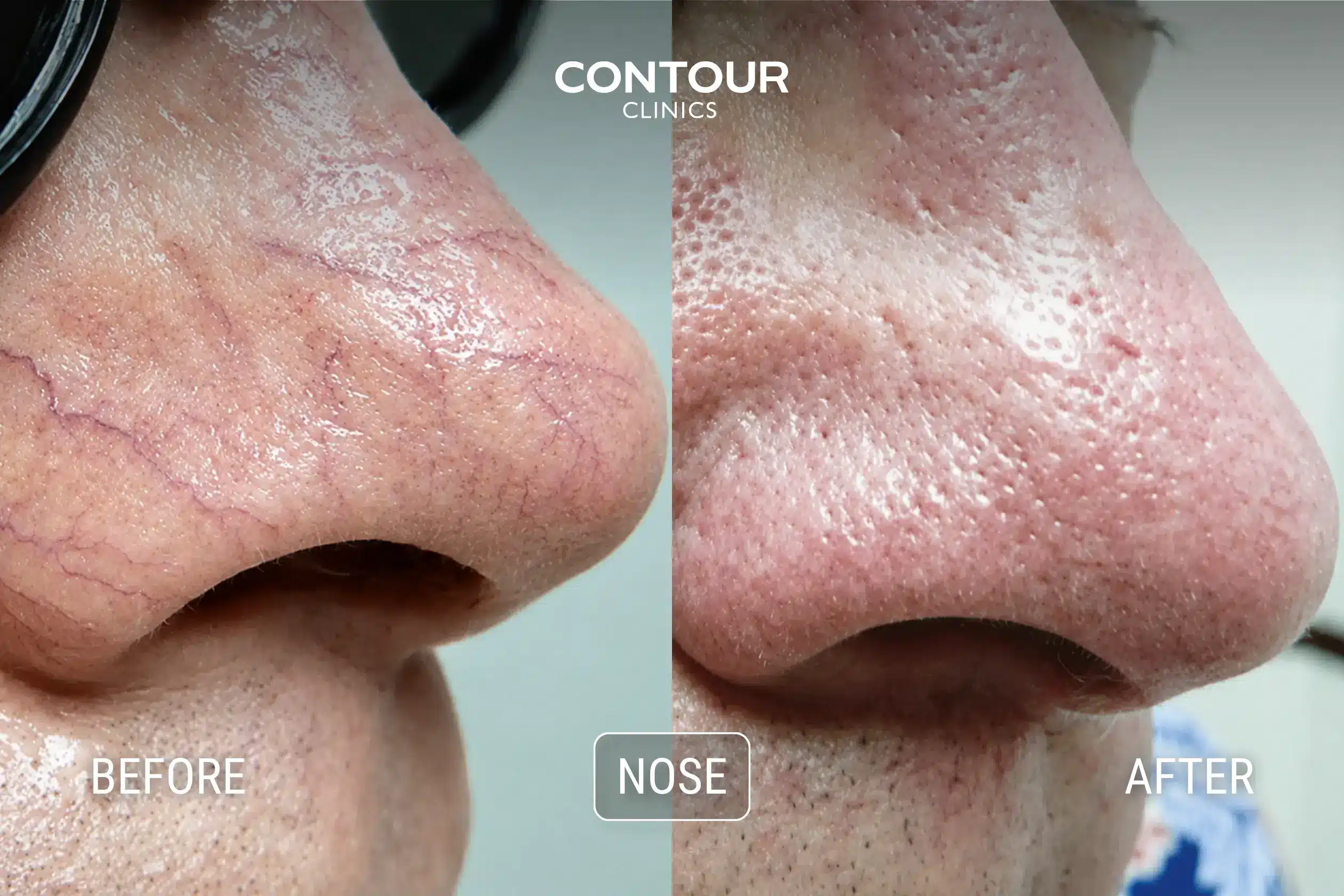
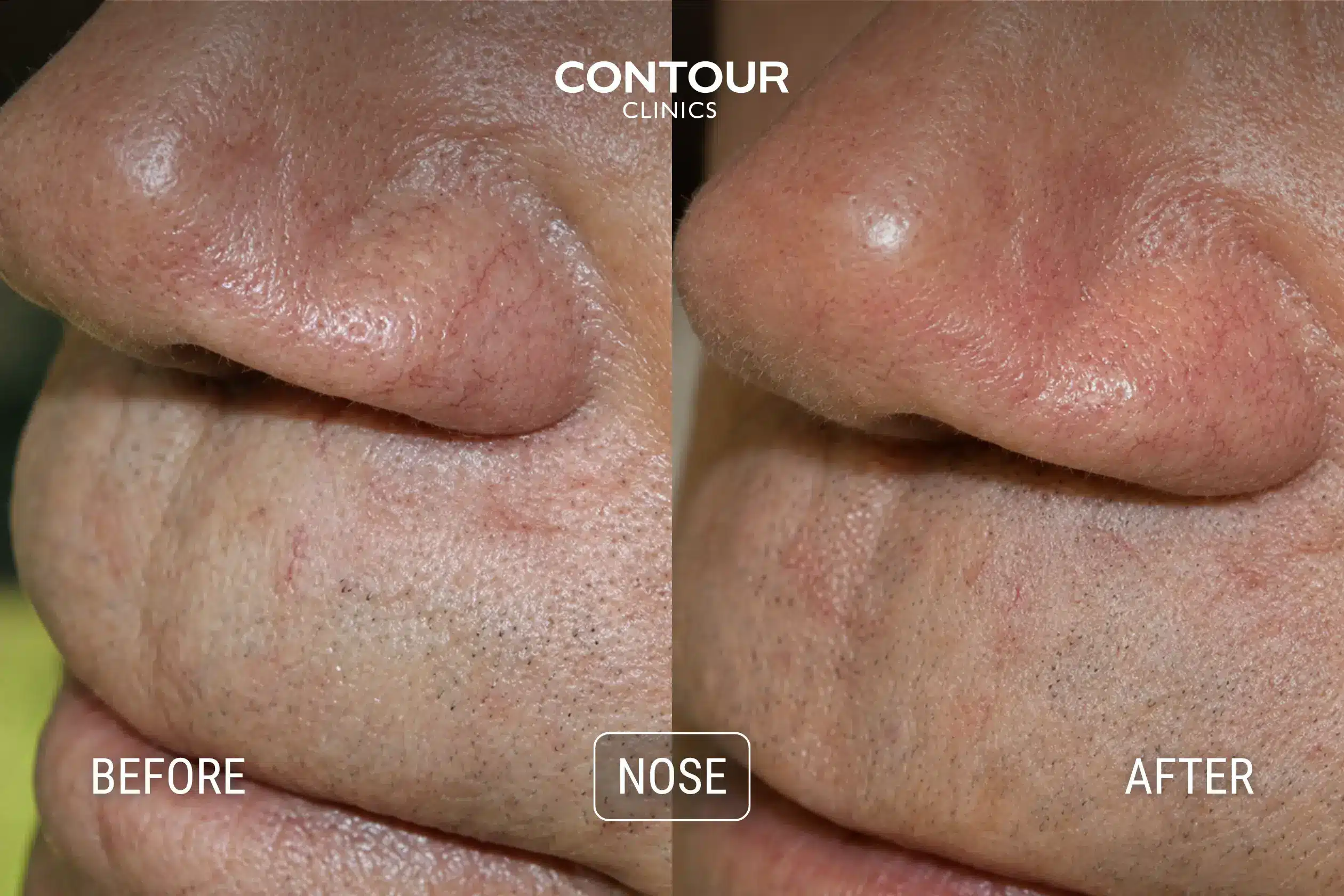
Before and after IPL treatment to nose capillaries
Before and immediately after long pulse Nd Yag to nasal vessels

Before and After Redness & Rosacea Treatment to the Full Face

Before and one month after IPL treatment to the full face.

Before and After IPL Treatment for Pigment, Redness and Capillaries

Images are of a Contour Clinics patient before and after IPL treatment.

Before and After Treatment for Redness and Rosacea

Before and three months after five treatments with IPL.

Before and After Long Pulse Nd YAAG Laser to Chin Capillaries

Before and immediately after long pulse Nd YAG to capillaries on chin.

Before and After IPL Treatment for Cheek Redness

Before and three months after three sessions of IPL.

Before and After Vascular Laser for Facial Redness

Before and three months after six sessions with vascular laser.

Before and After IPL for Nose Capillaries

Before and immediately after one session of IPL treatment.

Before and After Long Pulse Nd YAG Laser for Nasal Vessels

Before and immediately after long pulse Nd Yag to nasal vessels.

*Disclaimer: Results may vary from patient to patient.
How LED Light Therapy Membership Works at Contour Clinics

Preventative Measures for Managing Rosacea and Redness

Everyone’s journey with an uneven skin tone and persistent redness is different. This includes your progress towards the treatment and maintenance of diagnosed skin conditions.

Before starting your professional cosmetic treatment for redness, your cosmetic practitioner may recommend preventative measures you can use in daily life:

  • Avoid oil-based facial creams and make-up
  • Avoid prolonged exposure to hot environments, such as lengthy showers or saunas
  • Never apply topical steroids to the area, as this may provide a short-term improvement at the expense of a long-term worsening
  • Use sun protection daily, such as SPF 50+
  • Reduce intake of alcohol and spicy foods
  • Apply simple moisturisers every day
  • Avoiding known triggers of facial flushing
  • Keep the face cool to reduce flushing
  • Avoid harsh soaps and chemicals, using gentle cleansers instead

Your cosmetic practitioner may also suggest prescription oral medication or creme where suitable. This can help reduce inflammation associated with rosacea before commencing any laser treatments.

How Much Do Redness & Rosacea Laser Treatments Cost?

The cost of laser treatments for rosacea, redness, and broken capillaries in Sydney and Brisbane can vary depending on the specific area being treated and the extent of your skin concerns. At Contour Clinics, we offer transparent pricing for rosacea and facial redness treatments, so you can make informed decisions about your skincare.

Pricing typically starts from $275 for targeted treatments on specific facial areas, with comprehensive options also available for full-face concerns.

To get a clear understanding of costs tailored specifically to your skin needs, we recommend booking a complimentary consultation with one of our qualified cosmetic practitioners. During your appointment, you’ll receive detailed pricing and personalised treatment recommendations to achieve clearer, more even-toned skin.

Prices and Specials

All consultations with our cosmetic practitioners are complimentary and obligation free.

The Contour Clinics Guarantee

At Contour Clinics, we’re committed to providing safe, ethical, and personalised cosmetic care. Our experienced doctors focus on delivering balanced, realistic consultations tailored specifically to your needs.

Book your complimentary consultation today to discuss suitability, cosmetic options and experience the patient-focused care that sets Contour Clinics apart. Individual results can vary, and your practitioner will guide you through what could be achievable for you.

  • Complimentary, obligation-free consultations with experienced doctors
  • Strict safety and hygiene protocols aligned with industry-leading standards
  • Advanced 3D skin analysis photography to aid in a collaborative, comprehensive facial analysis
  • Medical-grade clinical environments thoughtfully designed for patient comfort and convenience
  • Products and technologies selected based on quality, safety, and efficacy

Frequently Asked Questions

What causes cherry angiomas?

Cherry angiomas, also known as red-spots or Campbell de Morgan spots, are benign harmless, but permanent overgrowth of skin blood vessels. Specifically, they are an overgrowth of vascular endothelial cells (cells that line the inside of blood vessels). They tend to increase in size and number with age, and often have no cause. One study showed 75% of people at the age of 75 have at least 1. Occasionally, they can be secondary to hormonal changes, particularly pregnancy.

They are typically not a cause for concern unless they are changing size, shape or are bleeding frequently. If this occurs see you local doctor for an assessment.

Who gets cherry angiomas?

Cherry angiomas are common in all races, and all ages. They become more frequent in number with age.

What do cherry angiomas look like?

They are often small bright red circular or oval structures that can range from a pin head to half a cm in size. They may be flat, raised, red, blue or varying shades of purple. If they become thrombosed (blood clots within them), they may appear black.

Any changing or black lesion should be evaluated by a doctor.

How do you prevent cherry angiomas?

There is no known way to prevent cherry angiomas from growing.

Can you have a cherry angioma in your teens or 20s?

While they are more common in older age, they are normal in teens and those in their 20s.

Are cherry angiomas normal?

Yes. Most people will have at least one cherry angioma on their body at some point in their lives.

How many cherry angiomas are normal?

There is no determined normal number of cherry angiomas. Some people have one, some have hundreds.

What is not normal is if you have an explosion of growth over the course of days to weeks of tens to hundreds appearing. This should prompt you to visit your doctor for assessment.

Can cherry angiomas grow?

Yes. They can tend to slowly grow over time. Some however, may form then stay the same size.

Are cherry angiomas contagious?

No. Cherry angiomas are not contagious.

Are cherry angiomas flat?

Whilst most are slightly raised. There are some cherry angiomas that are flat. All cherry angiomas will start off at flat when they are developing.

Are cherry angiomas dangerous?

True cherry angiomas present on the skin are not dangerous. However, as with any new skin lesion, these should be checked by your doctor.

Can cherry angiomas bleed?

Yes. Although uncommon, If exposed to trauma they may bleed.

What are the other names for cherry angiomas?

Cherry angiomas are also called:

  • Senile angiomas
  • Campbell de Morgan spots
  • Red moles

How are cherry angiomas treated?

These red spots are easily removed with our laser technologies (PDL, long pulse nd:YAG or IPL). Treatments take up to 5 minutes and may require 2-3 treatment sessions to remove the red spot completely. There is no downtime, and we can remove every red spot on your body during the same session, although we do suggest limiting treatments to 50 spots maximum in one sitting.

Other options you may read about include:

  • Cryotherapy- not recommended as they are very likely to scar
  • Electrocautery- this is often not required unless in a hair bearing area such as the scalp
  • Cut out with scalpel- not recommended unless rapidly growing/changing

How many laser treatments will I need to remove the cherry angioma?

In most cases only one treatment is necessary. Larger stubborn cherry angiomas may require 3-5 sessions. This is uncommon.

How do you remove cherry angiomas from the scalp?

Cherry angiomas located on the scalp can be precisely treated using an electrocautery tip delivering radiofrequency (RF) energy. This method is preferred in hair-bearing areas because it carefully targets the angioma without harming surrounding hair follicles. By using a precise tip, the RF energy cauterises only the targeted blood vessels, sparing nearby healthy scalp tissue and preserving existing hair growth.

Can cherry angiomas be treated with cream?

No, cherry angiomas will not go away with cream.

What causes rosacea?

Rosacea is the result of a chronic skin inflammation, usually over the cheeks, nose and chin. There are multiple factors usually involved including:

  • Genetics
  • Reaction to demodex mite- mite that lives on skin
  • Foods
  • Alcohol
  • Sunlight
  • Strenuous exercise
  • Corticosteroids

How is rosacea treated?

Treatment of Rosacea is often multi-dimensional depending on the severity of the condition. General principles of Rosacea treatment include:

  • Avoiding triggers of facial flushing
  • Avoid irritant or oily skin care products
  • Application of sunscreen
  • Avoid steroid creams as this will worsen rosacea
  • Keep the face cool to reduce flushing
  • Avoid soaps, rather use gentle cleansers

Laser treatments include the long pulse nd-YAG laser and Intense Pulsed Light treatments.  Your cosmetic doctor may suggest prescription oral medication or creme in certain scenarios to reduce inflammation associated with Rosacea prior to commencing any laser treatments.

What are some general measures to treat facial redness and rosacea?

When starting your treatment regimen to reduce redness/rosacea and facial flushing the you may find the following general measures helpful:

  • Avoid oil-based facial creams and make-ups
  • Avoid lengthy, hot showers
  • Never apply topical steroids to the area. This only provides a short term improvement at the expense of a long term worsening.
  • Use sun protection daily
  • Reduce intake of alcohol and spicy foods
  • Avoid hot environments (e.g. Bikram yoga/sauna’s etc.)
  • Apply simple moisturisers

What causes prominent veins and capillaries?

Also known as Telangiectasias or broken capillaries, prominent veins result from broken blood vessels becoming visible on the skins surface. They are usually caused by excessive sun exposure, corticosteroid creams, and skin trauma. There are rarer causes that your Cosmetic doctor will assess you for at your complimentary consultation.

Can broken capillaries bleed?

Yes. When capillaries enlarge, they may be prone to rupturing and bleeding. Particularly when exposed to trauma such as injuries or strain at the site.

Bleeding under the skin is usually seen as bruising, but broken capillaries may also cause outright bleeding over the skin’s surface.

Can broken capillaries on the face be treated?

Yes, broken capillaries on the face can be treated. Vascular laser therapies are typically used to address visible capillaries, redness, and facial veins. These treatments work by directing targeted laser energy into the affected blood vessels, causing them to shrink and fade without affecting surrounding skin.

Commonly used laser technologies include:

  • IPL (Intense Pulsed Light): Suitable for broader areas of facial redness, rosacea, and fine capillaries.

  • Long-Pulse Nd:YAG Laser: Effectively targets deeper or larger capillaries, especially around the nose and cheeks.

Treatment typically involves minimal discomfort, and most patients return quickly to normal daily activities. Multiple sessions may be needed depending on the extent and depth of the capillaries.

Your cosmetic clinician will perform a detailed assessment of your skin to recommend the most suitable laser treatment for your individual concerns.

How are prominent veins and capillaries treated?

Prominent veins and visible capillaries are typically treated using vascular laser treatments. These lasers work by precisely targeting and heating the unwanted blood vessels, causing them to gently close off. Once sealed, these treated vessels are gradually absorbed and cleared naturally by the body.

Common treatment options include:

  • IPL (Intense Pulsed Light): Targets diffuse redness, rosacea, and fine facial capillaries, improving overall skin tone.

  • Long-Pulse Nd:YAG Laser: Ideal for larger, deeper facial veins and prominent capillaries, particularly around the nose and cheeks.

Why do broken capillaries and prominent veins on the face occur?

These capillaries and veins were always there. The reason you can now see them is because they have become enlarged.

Enlargement of capillaries and veins occurs for a variety of reasons, each require their own unique treatment regimen to ensure there is no worsening/new capillaries forming.

Some reasons capillaries slowly enlarge to become visible include:

  • Skin trauma
  • Sun damage
  • Age related changes

What causes broken capillaries on the nose?

The area around the base of the nose where the nostril meets the cheek is a common area for broken capillaries. This is a thin area of skin where capillaries are quite close to the surface and easily visible when they enlarge.

Are broken capillaries on the face permanent?

If left untreated, broken blood vessels and capillaries are typically permanent. This is because the dilated vessels can’t restore themselves to their original appearance, leaving the skin red and covered in spider veins in the affected area.

In minor cases, the veins may fade over time. However, most cases require tailored laser therapy to reduce redness and the appearance of spider veins.

Are broken capillaries rosacea?

Broken capillaries and rosacea are related but not exactly the same.

Broken capillaries are small, visible blood vessels close to the skin’s surface, appearing as thin red lines or spider veins. They often result from sun damage, ageing, genetics, skin injury, or chronic skin inflammation.

Rosacea is a skin condition characterised by chronic facial redness, flushing, inflammation, and sometimes acne-like bumps. While rosacea often includes visible capillaries and redness, it also has additional symptoms such as sensitivity, inflammation, and flare-ups triggered by heat, stress, or certain foods.

Broken capillaries commonly occur as part of rosacea, but you can also have them without rosacea. Correct diagnosis and treatment require careful assessment, ideally by a clinician experienced in treating vascular skin concerns.

Are broken capillaries hereditary?

Some individuals’ susceptibility to broken blood vessels is hereditary. This is typically applicable to those who have inherited thinner skin and more fragile veins or capillaries.

Ultimately, though, the degree to which you have inherited the propensity to form broken capillaries varies person to person.

Are broken capillaries common?

Yes. Most people at some point in their life will have at least one visible broken capillary or prominent vein.

Are broken capillaries dangerous?

These are most often a benign cosmetic concern. Rarely are they associated with an underlying medical condition. It is important you have any skin change checked by a doctor.

At Contour Clinics, all doctors are experienced in checking prominent veins and capillaries to ensure they are safely removed and not any more than a cosmetic concern.

Are broken capillaries the same as spider veins?

Yes. Spider veins are a form of broken capillary.

Which parts of the body do we commonly see broken capillaries?

We commonly see broken capillaries on the face. This is particularly true of around the nose, chin, cheeks and forehead.

Other areas of the body include:

  • Breast
  • Legs
  • Arms
  • Chest

Are telangiectasia broken capillaries?

Yes. There are many terms to describe dilated veins and capillaries. They include:

  • Spider veins
  • Broken capillaries
  • Telangiectasiea
  • Spider Nevi (usually has a specific cause)
  • Prominent veins

Does alcohol make broken capillaries worse?

Alcohol can increase the appearance of broken capillaries due to its ability to dilate blood vessels. Often, people notice their redness and capillaries appear more prominent when drinking alcohol.


CONTACT US

Name(Required)
Accepted file types: jpg, jpeg, png, pdf, heic, Max. file size: 10 MB.
Would you like to keep updated with Contour Clinic's latest news?

Are you ready?

Schedule a Consultation


or call us on 1300 233 803