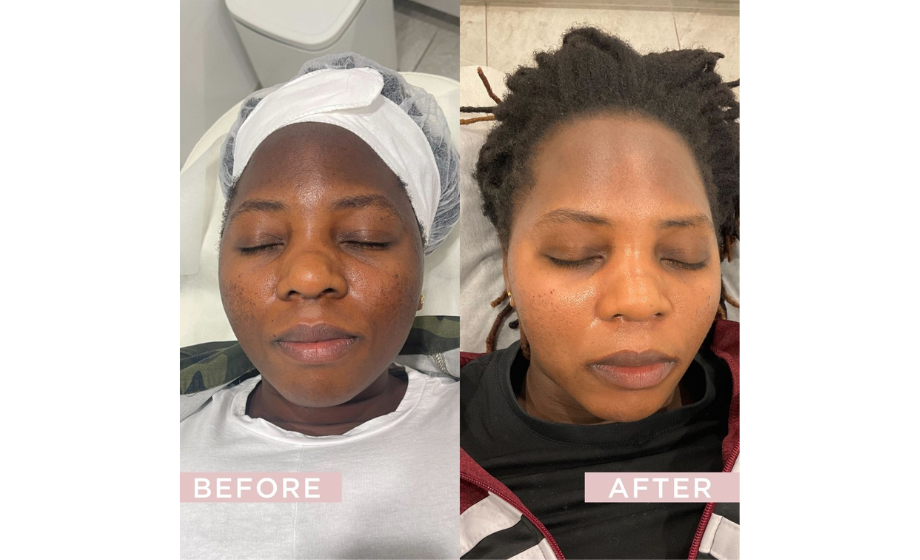
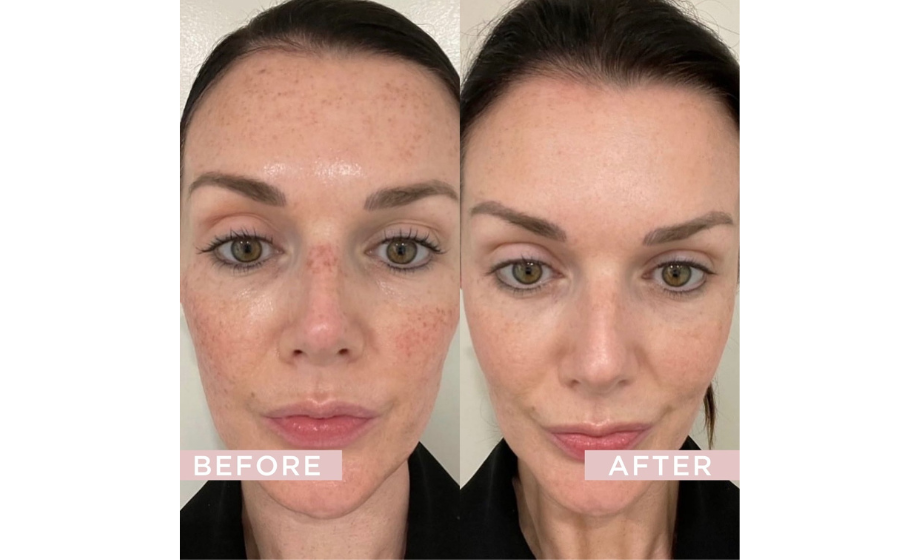
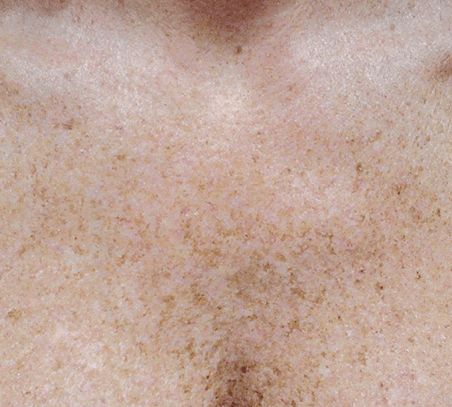
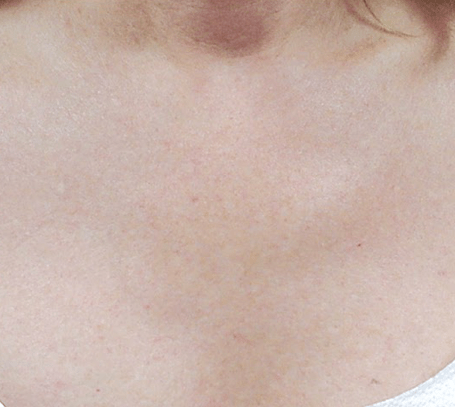
Understanding the type of pigmentation you have is essential when considering effective treatment options. Here, we provide a convenient list of the more common pigmentation concerns Australians live with below:
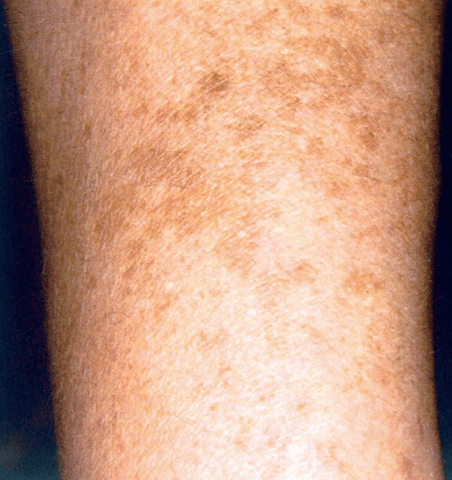
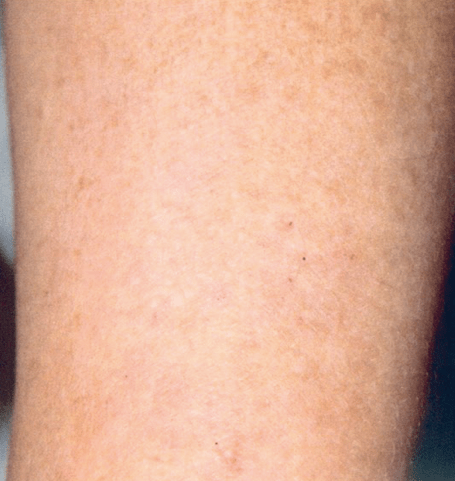
Sunspots (Solar Lentigines)
Flat, dark patches that are commonly seen on sun-exposed areas like the face, ears, chest, and hands. This sun exposure effect is caused by long-term exposure to UV radiation, making the skin also feel dry, scaly and irritable without proper care.
Sunspots often become more noticeable with age, especially when you don’t avoid sun exposure. It’s recommended to apply broad-spectrum sunscreen daily to prevent sunspots.
Melasma
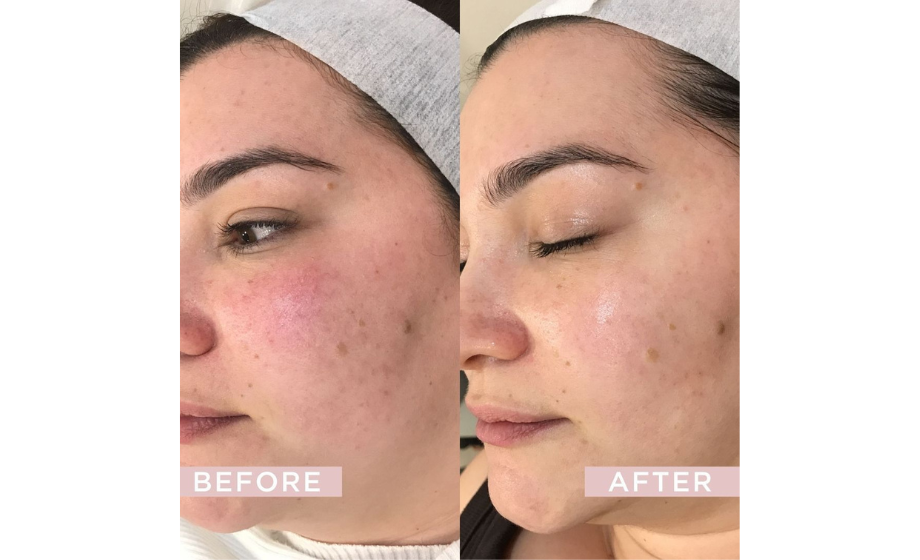
A common form of pigmentation characterised by symmetrical, brown to grey-brown, blotchy patches across the face. Melasma typically appears on the cheeks, forehead, nose, chin, or upper lip. However, some may develop melasma along the neck and forearms. All types can have their appearance further developed with excessive time in the sun.
Melasma may be triggered by hormonal changes such as pregnancy, contraceptive use, or hormone therapies. This is because the pigment-producing cells begin to produce too much melanin, creating the notable darker skin patches.
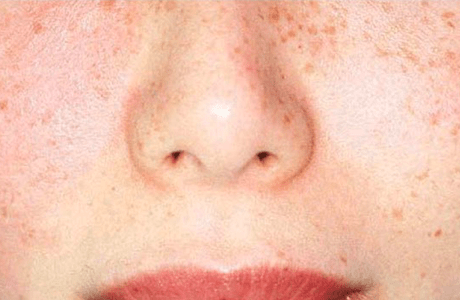
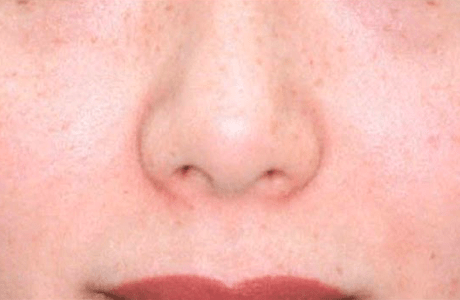
Freckles (Ephelides)
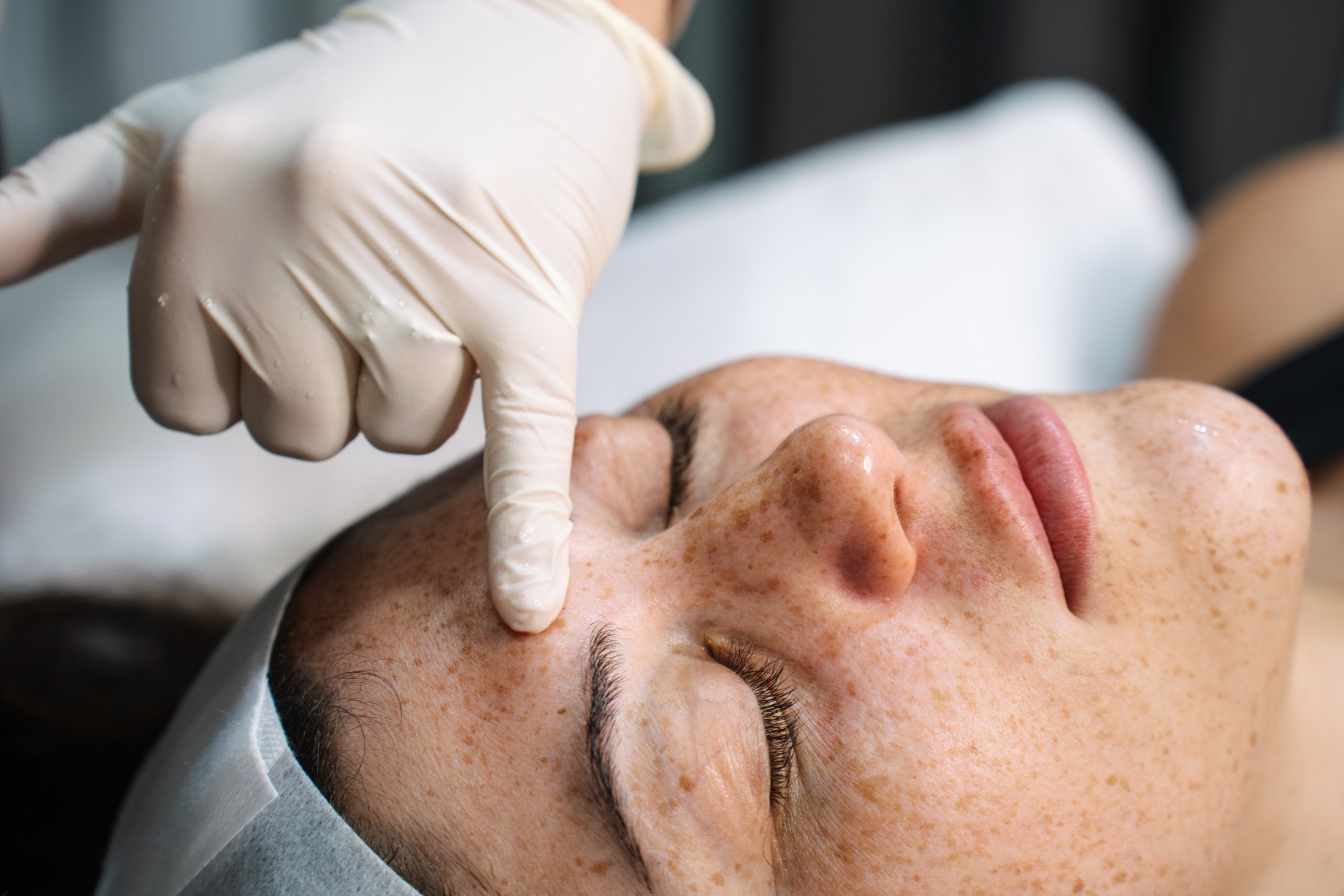
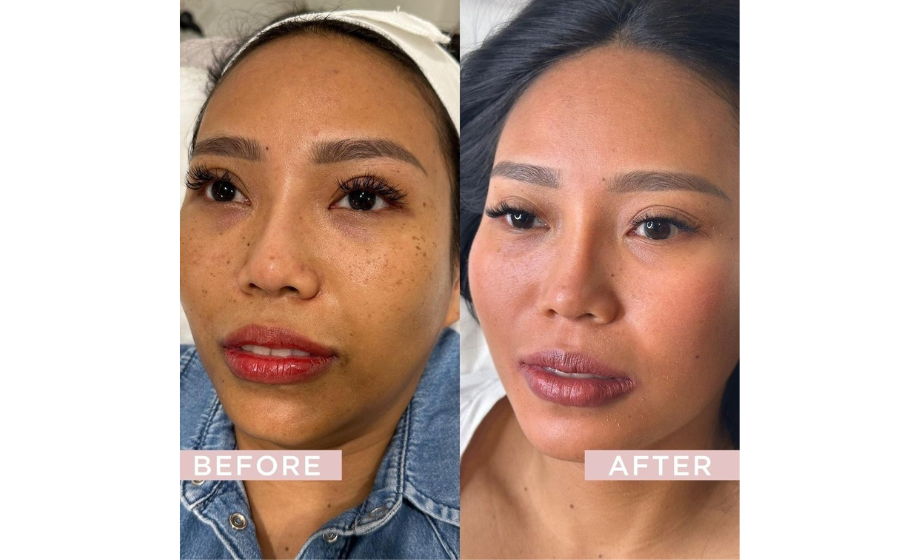
Small brown spots that lie flat to the skin, commonly seen in areas regularly exposed to sunlight. This can be the face, shoulders or arms.
Freckles are often hereditary, developing during childhood and darkening over time with regular exposure to the sun. They may eventually fade if you apply SPF regularly and avoid sun exposure.
Post-Inflammatory Hyperpigmentation (PIH)
Darkened patches or spots that develop after skin inflammation, injury, burns, acne, or certain medical procedures. The trauma to the skin during these conditions produces excess melanin that darkens the skin in irregular patches.
PIH may occur in any skin type, but it’s often more prevalent in darker skin tones.
Age Spots
Similar to sunspots, age spots appear due to cumulative sun damage over the years, most often seen in individuals over 40. They are a generalised term that can be applied to sunspots, liver spots, and larger freckles caused by the sun.
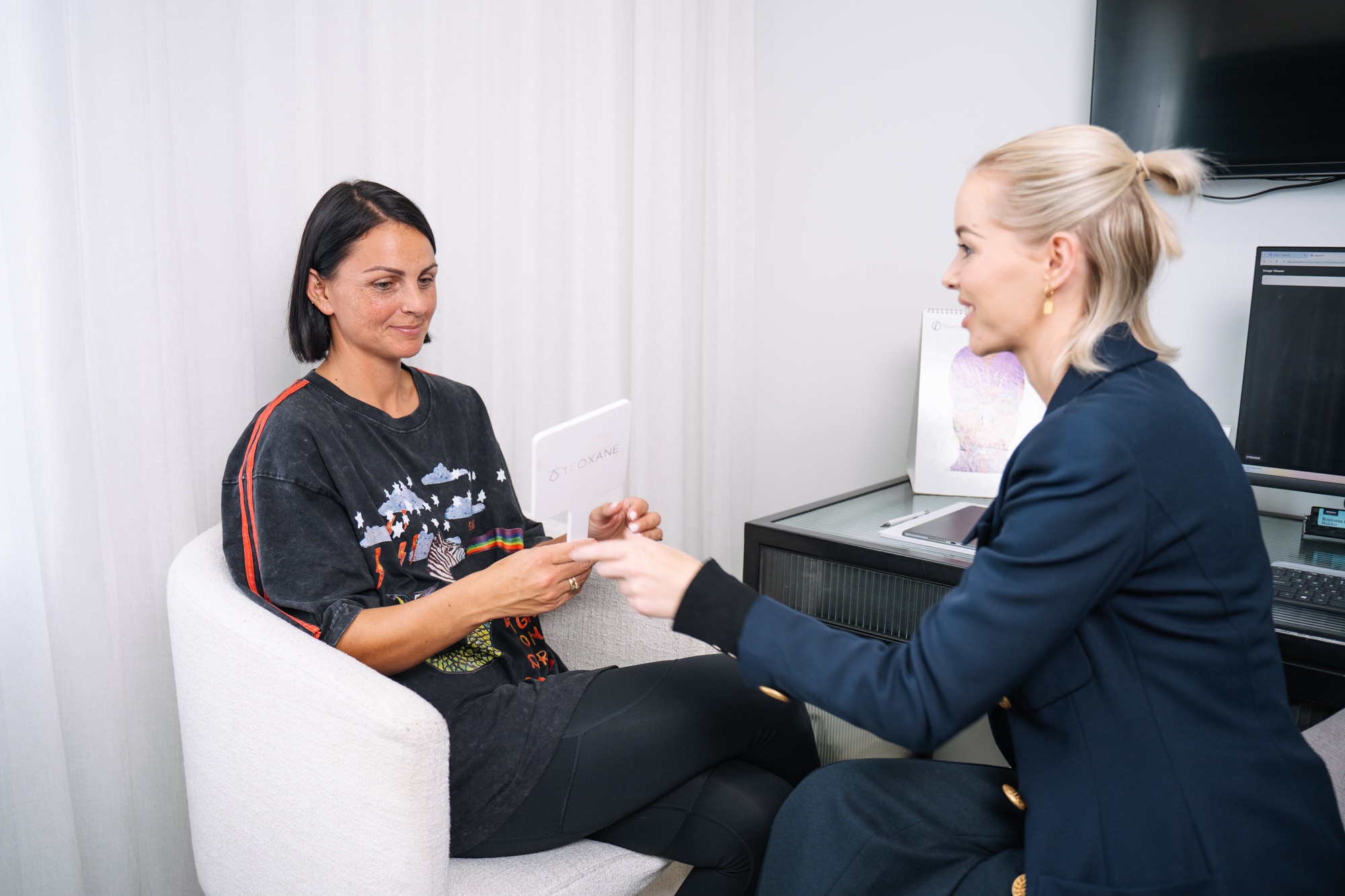
At Contour Clinics, our cosmetic practitioners conduct detailed skin assessments to identify your specific pigmentation concerns. By identifying potential causes, this assessment may allow us to recommend the most suitable treatment methods for achieving clearer, more even-toned skin.
It is important to have regular skin checks with your GP or dermatologist, especially if you notice any new, changing, or unusual pigmented areas. In rare cases, pigmentation spots may resemble skin cancers, making an accurate diagnosis essential before undergoing cosmetic treatments.
We recommend scheduling a yearly skin check with your GP to maintain skin health and ensure peace of mind.