How do laser skin treatments work?
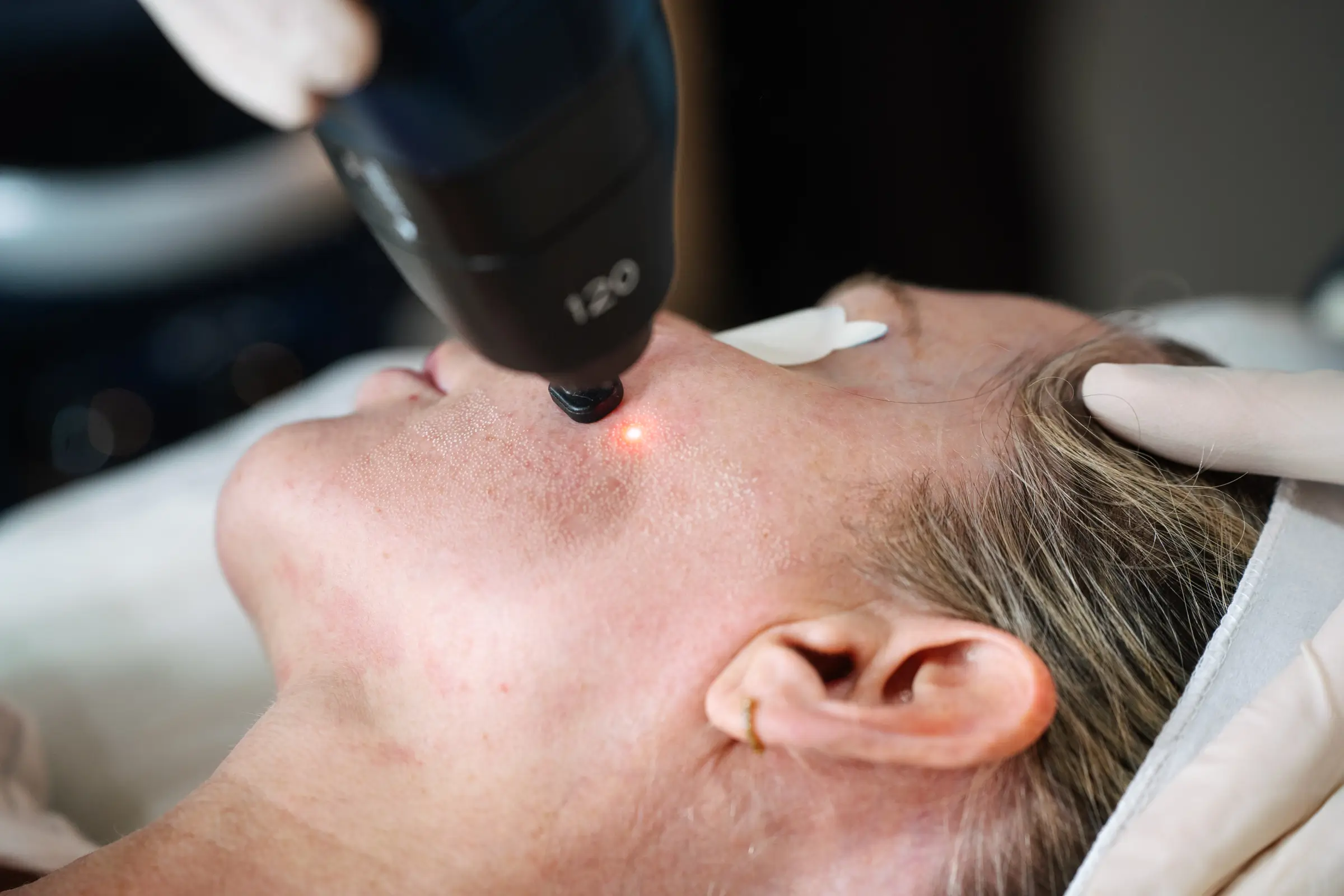
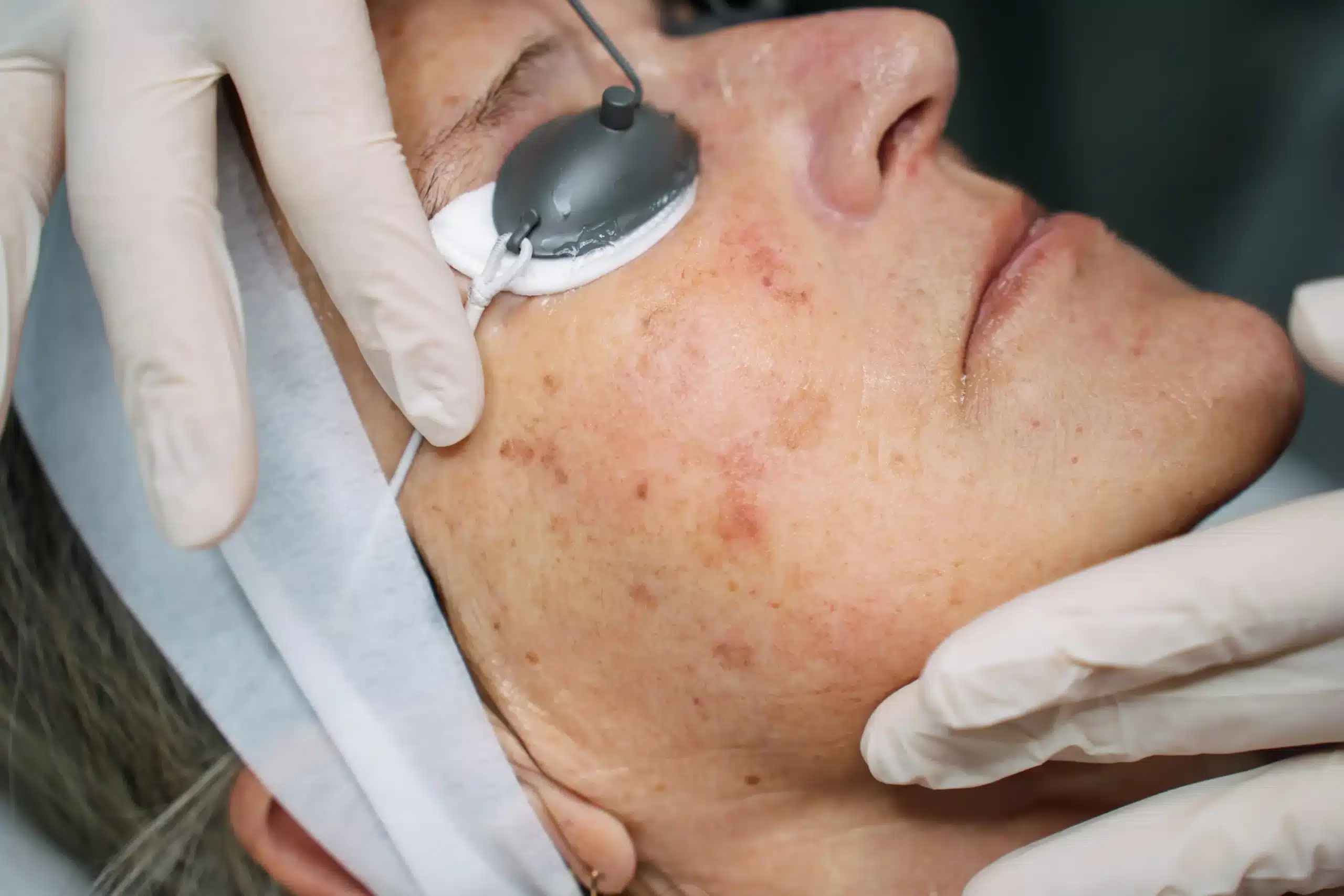
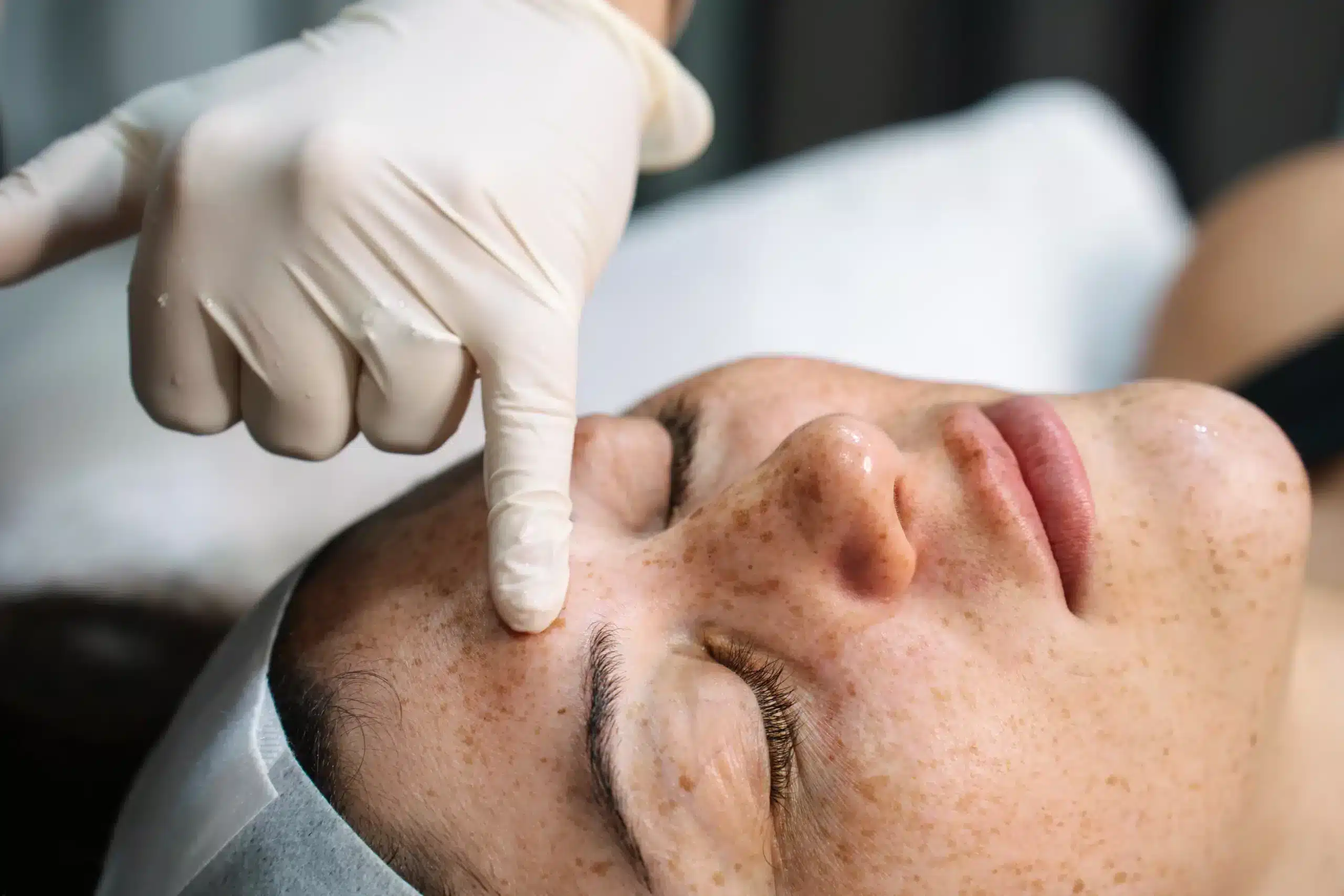
Lasers deliver light energy at specific wavelengths that are absorbed by particular targets in the skin. Pigment-targeting lasers aim to break down unwanted pigment so the body can clear it. Vascular lasers target small blood vessels to reduce visible redness. Resurfacing and fractional lasers create controlled micro-injuries that prompt the skin’s healing response and collagen production over time.
Is IPL the same as a laser?
No. IPL (intense pulsed light) uses broad-spectrum light rather than a single laser wavelength. It’s often grouped with lasers because it’s used for similar concerns, such as sun spots, freckles and redness. Your practitioner will explain whether IPL or a laser may suit your skin better.
What are the risks and side effects of laser skin treatments?
No procedure is risk-free. Possible side effects include temporary redness, swelling, pigment changes, scarring or infection. Your practitioner will discuss the risks as they apply to you, and will recommend against treatment if it isn’t suitable for your skin type or medical history.
Who is a good candidate for laser skin treatment?
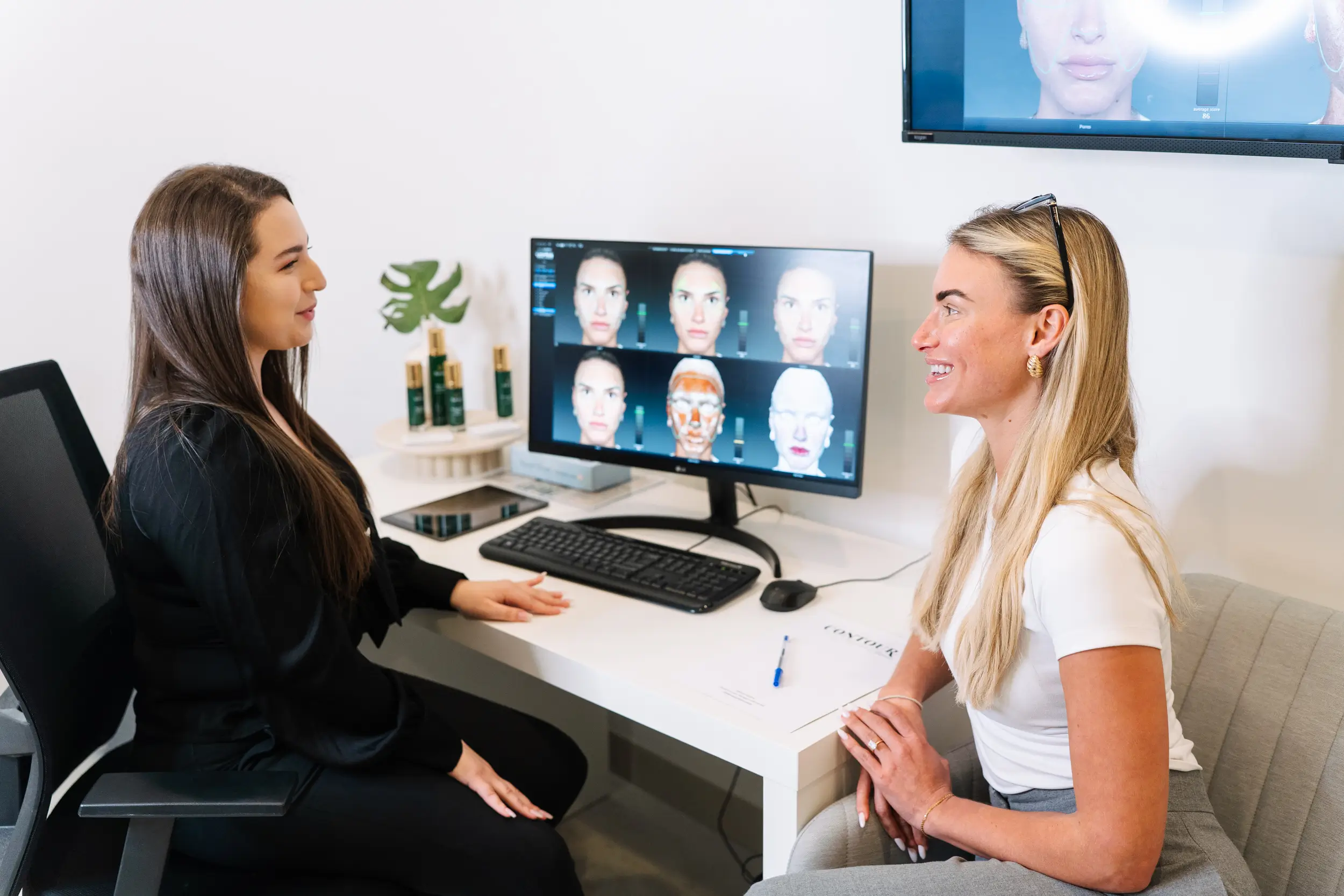
Laser skin treatments may suit people with concerns such as uneven texture, pigmentation, redness, fine lines or acne scarring who have realistic expectations about results and downtime. They may not be suitable during pregnancy or breastfeeding, with active skin infections, or for some skin types and medical conditions. Suitability is confirmed during your consultation.
How should I prepare for a laser skin treatment?
Your practitioner will give you specific instructions for your treatment. In general, it may help to avoid tanning and prolonged sun exposure, wear a broad-spectrum SPF daily and let your practitioner know about any active skincare, such as retinoids or exfoliating acids, as some may need to be paused beforehand.
What is recovery like after laser skin treatment?
Recovery depends on the device – from no visible downtime to around 1–2 weeks of healing for more intensive ablative lasers. Aftercare usually includes gentle skincare, daily SPF and avoiding sun exposure while your skin heals. Your practitioner will give you aftercare instructions tailored to your treatment.
Which laser treatment has the least downtime?
Gentle non-ablative treatments, such as Laser Genesis and the Red Carpet Laser Facial, usually involve little to no visible downtime. Many other non-ablative treatments may cause mild redness for a few hours up to two to three days, depending on the individual and the device.
How many laser skin sessions will I need?
The number of sessions depends on the device and intensity used, the type of skin concern and how your skin responds. More intensive treatments, such as CO2 laser, may be considered as a single treatment or a short series. Non-ablative and collagen-focused devices often involve a course of treatments spaced weeks apart. Your practitioner will outline a realistic schedule during your consultation.
How long do laser skin treatment results last?
How long results last varies with the treatment type, your baseline skin health and how you care for your skin afterwards. Ongoing ageing and sun exposure continue, so maintenance may include occasional top-up treatments, daily SPF and a skincare routine recommended by your practitioner.
Do laser skin treatments hurt?
Most people describe a sensation of heat, tingling or quick flicks on the skin. Comfort depends on the device and intensity. For more intensive treatments, topical numbing cream is commonly used. Your practitioner will discuss comfort options before treatment and can adjust settings where appropriate.
Can I have laser skin treatment if I have darker skin?
Some lasers and settings are more suitable than others for darker skin tones. Some treatments carry a higher risk of pigment changes in these skin types. Your practitioner will assess your skin type, select devices and wavelengths considered more appropriate, adjust energy levels and spacing, and recommend an alternative if laser isn’t suitable.
Is laser treatment suitable for sensitive skin?
It can be, depending on the device and your skin. Gentler non-ablative options are often considered for sensitive or reactive skin. Your practitioner will review your skin history and may suggest a patch test or an alternative approach.
Should I choose laser, chemical peels or microneedling for acne scars?
It depends on the type of scarring, your skin type and your downtime. Many acne scar plans combine more than one approach. See Acne Scars for the options in more detail.
Can I have laser skin treatment if I am pregnant or breastfeeding?
Whether laser treatment is suitable during pregnancy or breastfeeding is assessed individually. Please let your practitioner know at your consultation so they can discuss timing and alternatives with you.
Are at-home laser devices the same as clinic treatments?
No. At-home devices aren’t the same as clinical lasers, which use medical devices, adjustable settings and practitioner assessment. If you’re considering an at-home device, it’s worth discussing it with a practitioner first.