What is the best treatment for ED in men?
There isn’t one “best” treatment for everyone. The most appropriate option depends on what’s causing your erectile dysfunction and what you want to improve (e.g. reliability, firmness, duration, confidence, or all of the above).
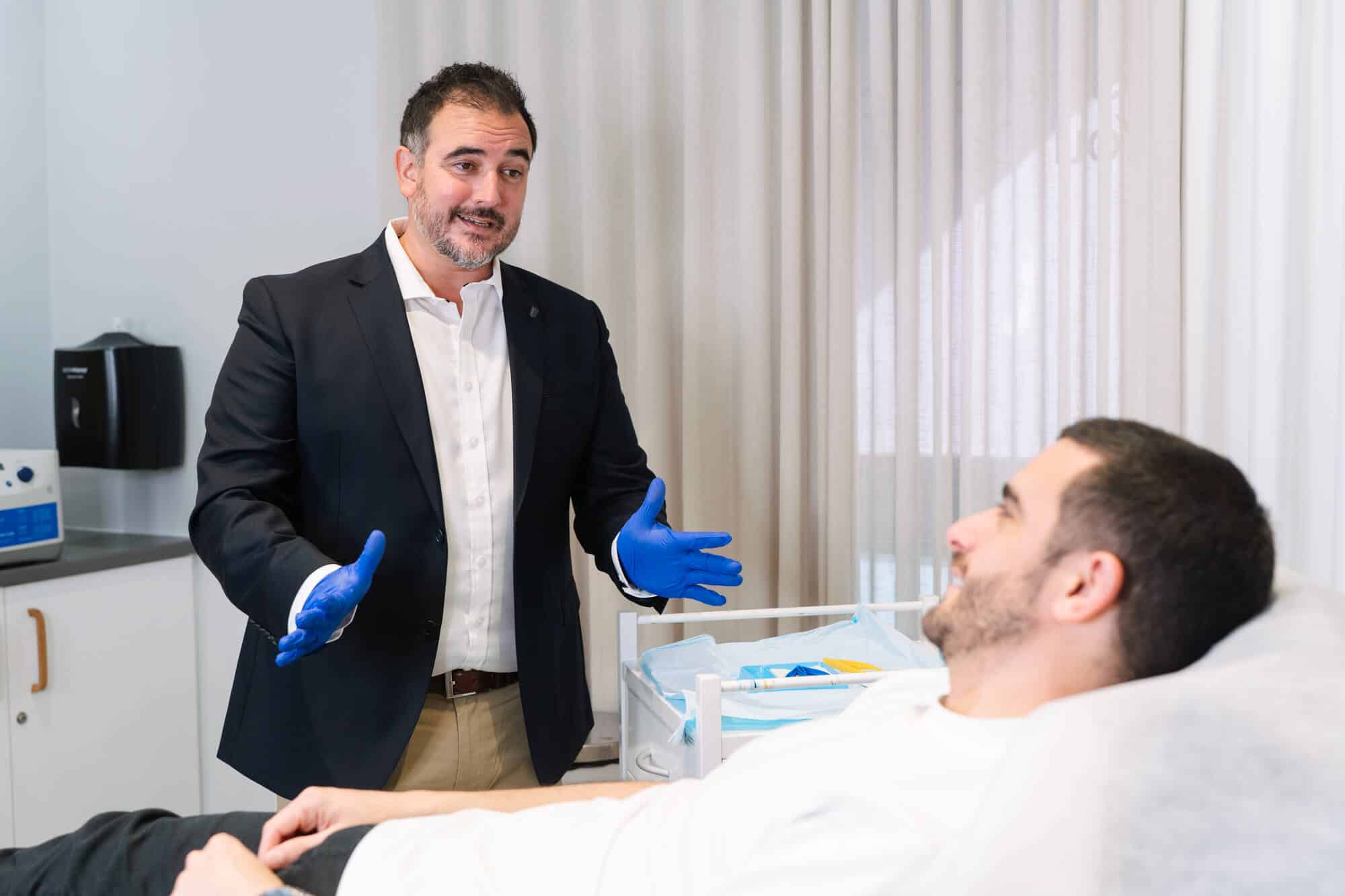
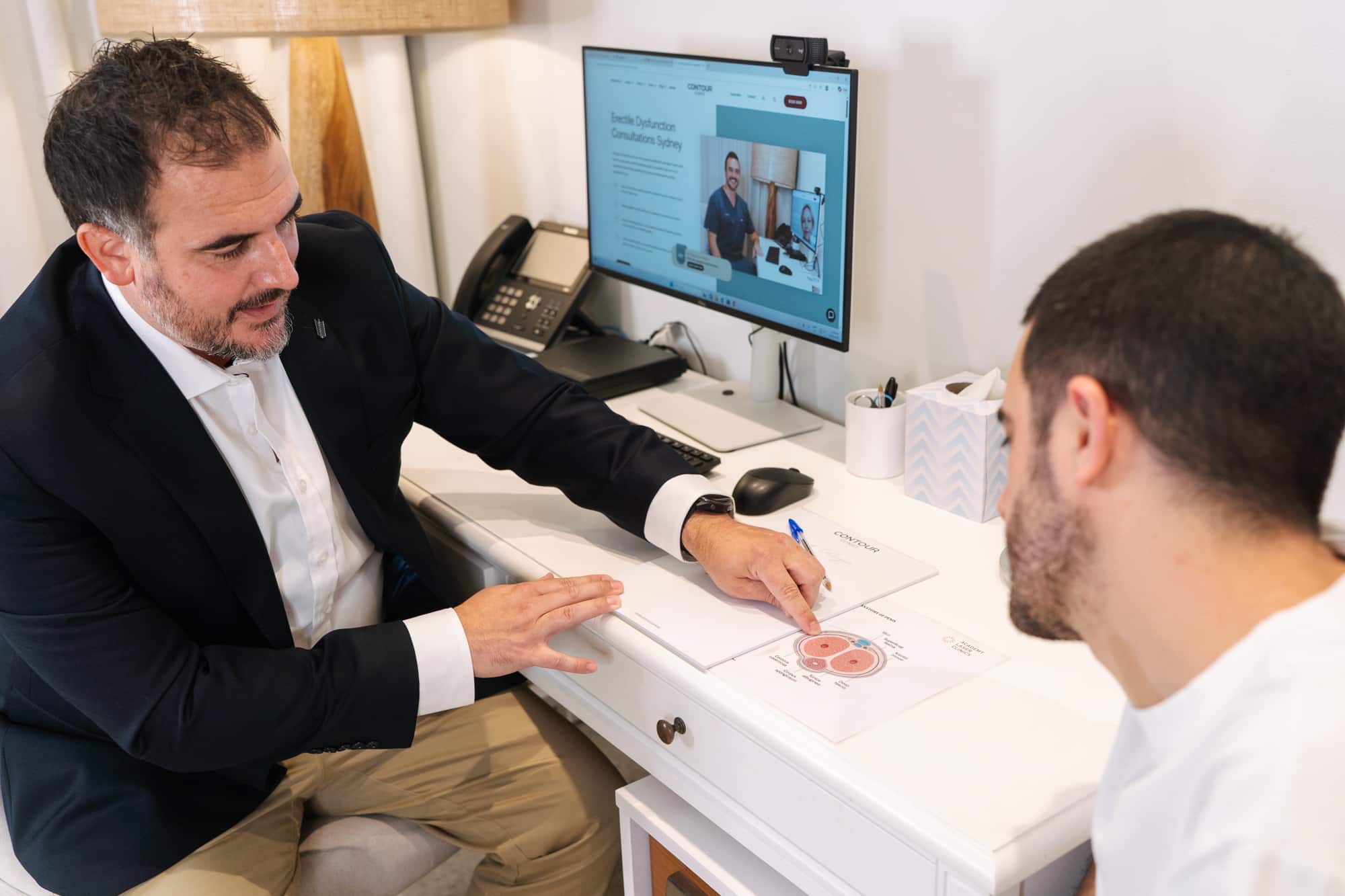
In a consultation, your doctor will usually work through:
- Contributing factors (vascular health, hormones, medications, sleep, stress, alcohol, smoking)
- Baseline sexual health (onset, severity, morning erections, libido, pain, curvature, ejaculation changes)
- Suitability and safety for different management pathways
From there, the “best” treatment is typically the one that matches your cause, medical history, and comfort level – with clear expectations and follow-up.
What happens in an erectile dysfunction consultation?
Your doctor will take a medical history, discuss your symptoms and goals, assess likely contributing factors, and explain appropriate management pathways, including limitations and risks.
Do I need tests before my ED consultation?
No. If your history suggests investigations could be helpful, your doctor may recommend appropriate tests or referral.
Do I need a GP referral for erectile dysfunction treatment?
No, you don’t need a GP referral to begin erectile function treatment with a specialist doctor. Before proceeding with a consultation or treatment, always confirm your practitioner’s registration, experience, and insurance coverage for intimate-area procedures.
What is the main cause of erectile dysfunction?
ED is most commonly linked to blood flow and vascular factors, but it’s rarely just one cause. Common contributors to erectile dysfunction include:
- Vascular health (reduced blood flow, cardiovascular risk factors)
- Metabolic factors (diabetes, insulin resistance)
- Medication effects
- Hormonal factors (low testosterone can be relevant for some men)
- Nervous system factors (including after pelvic surgery or neurological conditions)
- Lifestyle and sleep (alcohol, smoking, poor sleep, high stress load)
- Psychological factors (performance anxiety, depression, relationship stress) – sometimes as a cause, often as an amplifier
A consultation helps pinpoint which factors are most relevant for you, and what a realistic, evidence-informed plan looks like.
Is erectile dysfunction always age-related?
Not necessarily. Age can be a factor, but ED can also relate to stress, sleep, medication side effects, cardiometabolic factors, hormones, pelvic considerations, and more.
Can anxiety cause erectile dysfunction?
Anxiety can contribute to ED, especially when it creates a cycle of anticipation and avoidance. Many people experience a mix of physical and psychological factors.
Where to treat erectile dysfunction?
Start with a medical consultation, especially if ED is new, worsening, or happening alongside symptoms like reduced exercise tolerance, chest discomfort, numbness, or significant fatigue. ED can be assessed and managed by your GP, a urologist (where complex history is involved) or by an experienced men’s sexual health doctor at Contour Clinics in Sydney. A psychologist or sex therapist, alongside medical care, may also be recommended.
If you’re choosing a clinic, look for doctor-led assessment, privacy, clear risk discussion, and appropriate referral pathways.
When should I seek urgent medical advice?
If ED is sudden and accompanied by pain, injury, significant penile curvature changes, or other concerning symptoms, seek medical advice promptly.