What is bioremodelling, in simple terms?
Bioremodelling is a non-surgical skin treatment that works beneath the skin’s surface to support hydration, cellular activity and overall skin quality – rather than adding volume or changing facial shape. It’s placed at several points across the face and spreads through the surrounding skin, aiming to support the way skin looks and feels over time.
How many bioremodelling sessions will I need?
Most patients have two to three bioremodelling sessions, spaced approximately three to four weeks apart. Some initial improvement in hydration and texture may be noticeable within the first week, though the fuller effects are generally visible around six to eight weeks after treatment, as the skin responds over time.
How long does bioremodelling last?
This varies from person to person and will be discussed in detail during your consultation. As a general guide, results may potentially last up to around six months, though individual experiences differ.
Where is bioremodelling placed on the face?
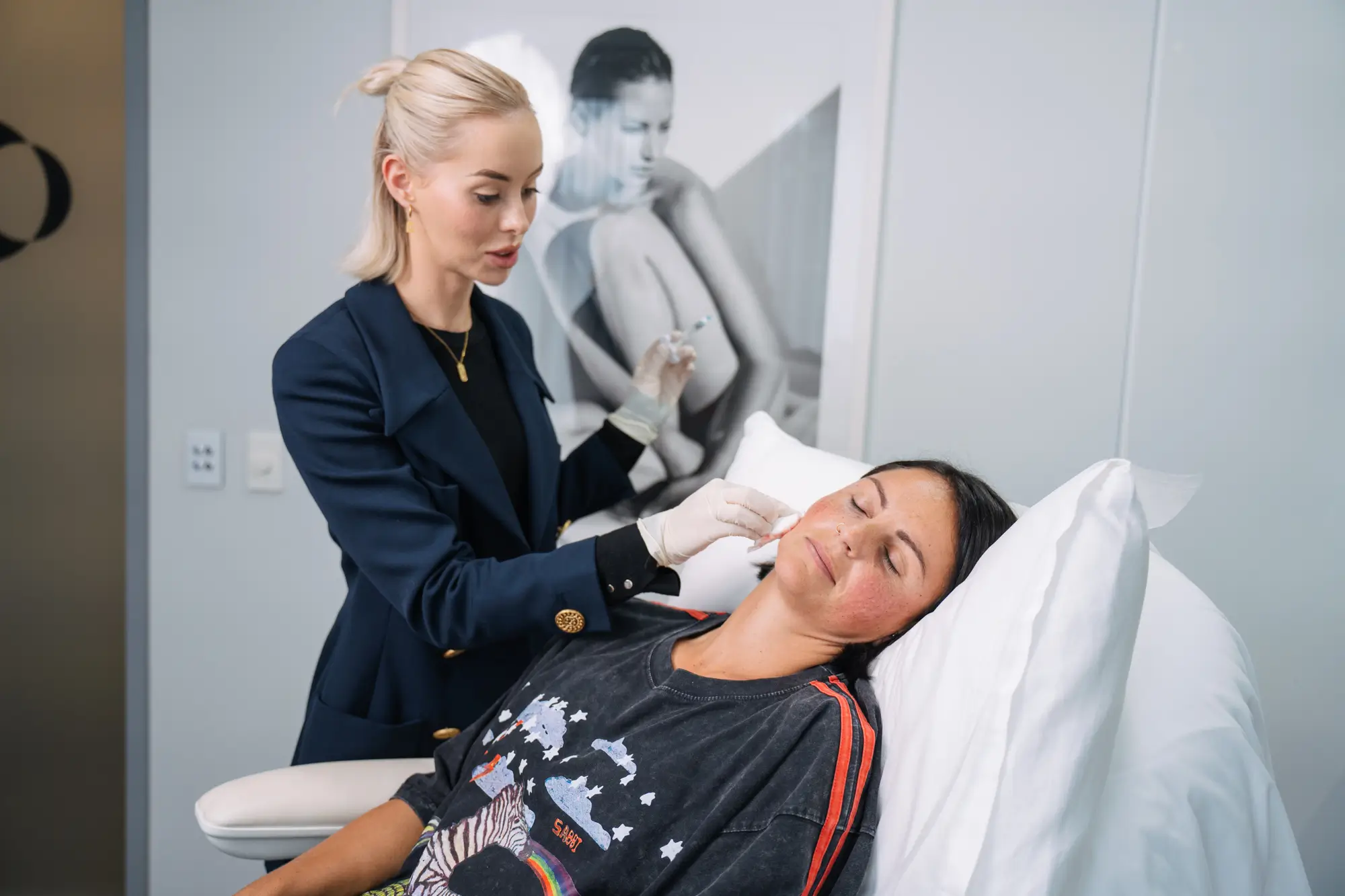
Placement depends on the treatment used and the areas you’d like to address. Some approaches use a small number of placement points on each side of the face. Others use many fine placement points across the treatment area, which can mean more bruising afterwards. Your practitioner will explain what’s recommended for you during your consultation and talk you through each step on the day.
What can I expect after a bioremodelling treatment?
Downtime is generally minimal. You may notice mild redness or small bumps at the treated points, which usually settle within about an hour. Your practitioner will explain what to expect for your specific circumstances.
Are there risks associated with bioremodelling?
All medical procedures carry some risk, which will be discussed in full at your complimentary consultation. Risks of bioremodelling may include, but aren’t limited to, bruising, swelling, lumpiness, infection, or (rarely) vascular occlusion requiring a dissolving agent, which carries its own risk of allergy or anaphylaxis.
Which bioremodelling treatments do you offer?
We offer a range of bioremodelling options, including Rejuran. Australian medical regulations prevent us from naming the others online, so your practitioner will explain exactly what’s used in your treatment, and why it suits your goals, at your consultation.
Is bioremodelling the same as dermal volumisation?
No. Dermal volumisation is used to add volume or change facial shape and contour. Bioremodelling is not primarily focused on volume. It’s aimed at supporting overall skin quality, hydration and firmness, without significantly altering your natural facial structure.
How is bioremodelling different from a biostimulator or skin booster?/span>
These terms are often used inconsistently across the industry, which can make comparing options confusing. Broadly, bioremodelling supports cellular activity and hydration to improve overall skin quality, rather than targeting a specific area. Biostimulators promote collagen production via a controlled tissue response, with more gradual results. Our regenerative skin treatment guide breaks down the distinctions in more detail, and your practitioner can clarify which applies to your treatment plan.
Is bioremodelling suitable for everyone?
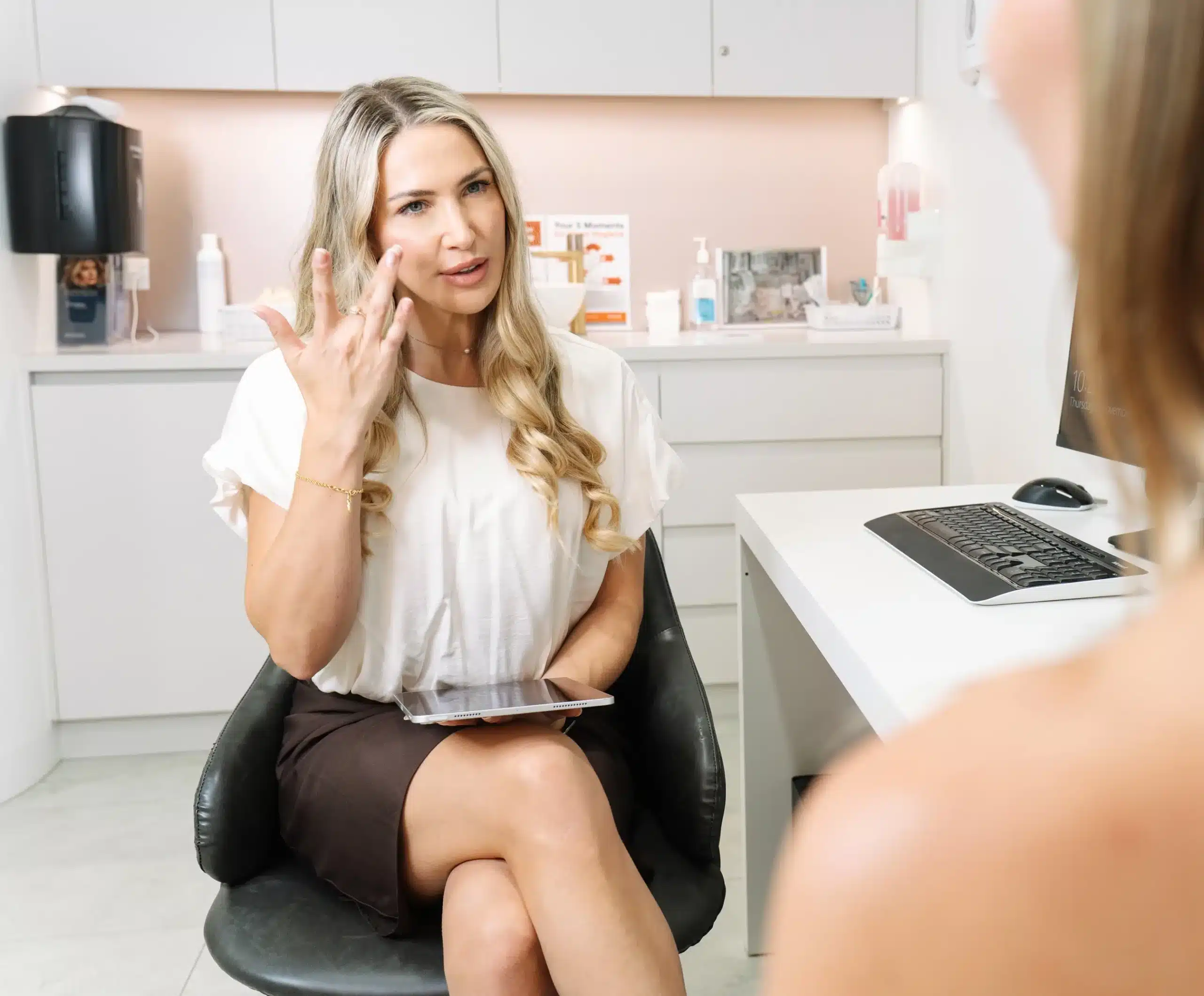
Not everyone is a suitable candidate and outcomes vary between individuals. Suitability screening, realistic expectations and any potential risks are covered during your complimentary consultation.
How does bioremodelling stimulate collagen and elastin?
Rather than adding volume directly, bioremodelling primarily supports hydration and cellular activity, which is what improves overall skin quality. Some patients may also notice gradual, secondary support to the skin’s own collagen and elastin production over time, though this isn’t the treatment’s primary mechanism. Individual response varies
Does bioremodelling lift or restructure the face like a facelift?
No. A facelift refers to a surgical procedure that lifts and repositions facial tissue and structure. Bioremodelling doesn’t lift, restructure or add volume to the face – it’s specifically focused on skin quality (hydration, firmness and texture), without significantly altering your natural facial structure.
Can bioremodelling be used beyond the face?
Bioremodelling is most commonly used on the face and neck, though it can be considered for other areas of the body, including the hands, décolletage and knees, where clinically appropriate. Suitability for areas beyond the face is assessed individually during your consultation.
What does recovery from bioremodelling look like?
Downtime is generally minimal. You may notice mild redness or small bumps at the treated points immediately after treatment, which usually settle within about an hour. Your practitioner will provide specific aftercare guidance tailored to your treatment and skin during your consultation.