What do cherry angiomas look like?
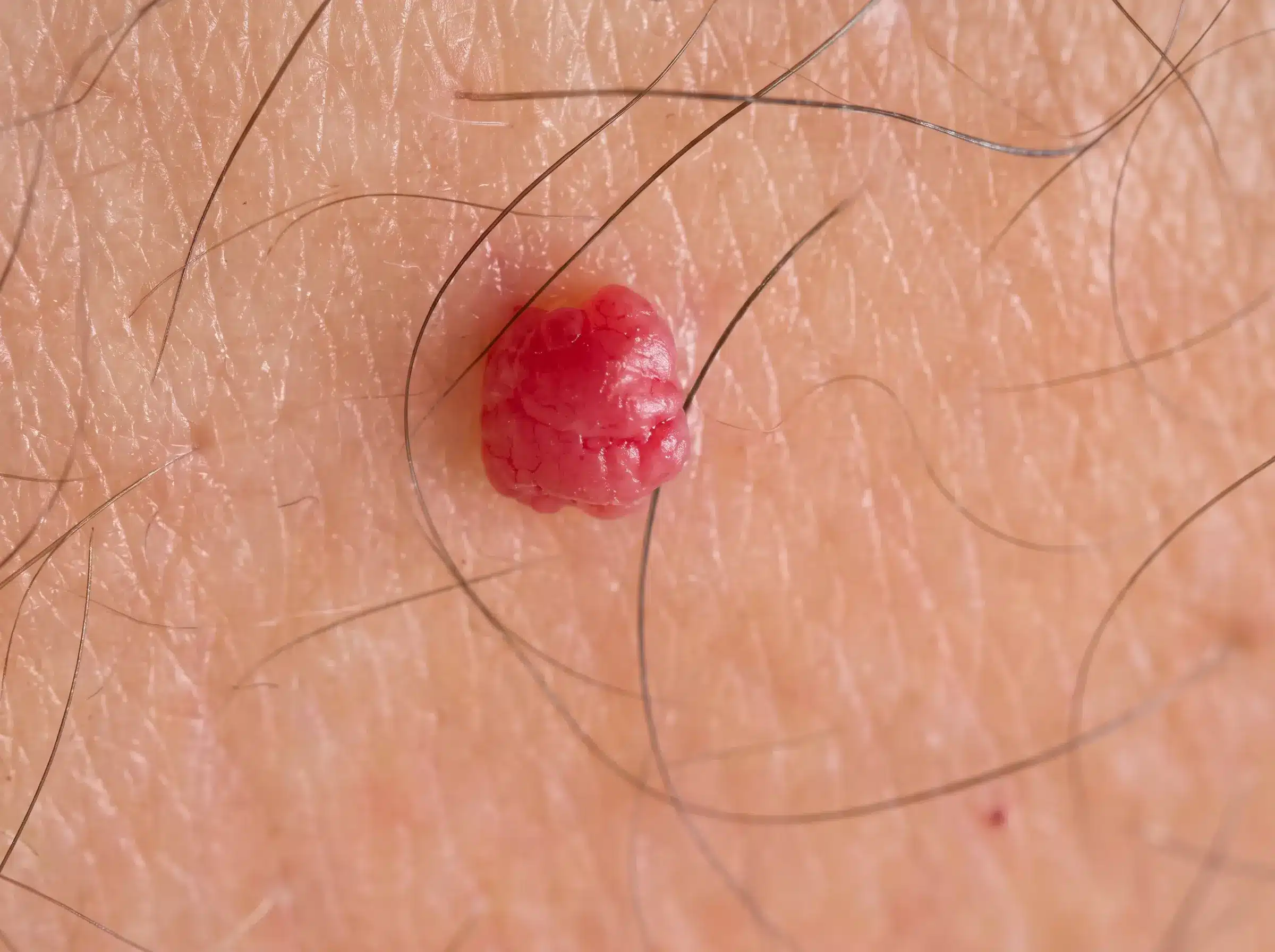
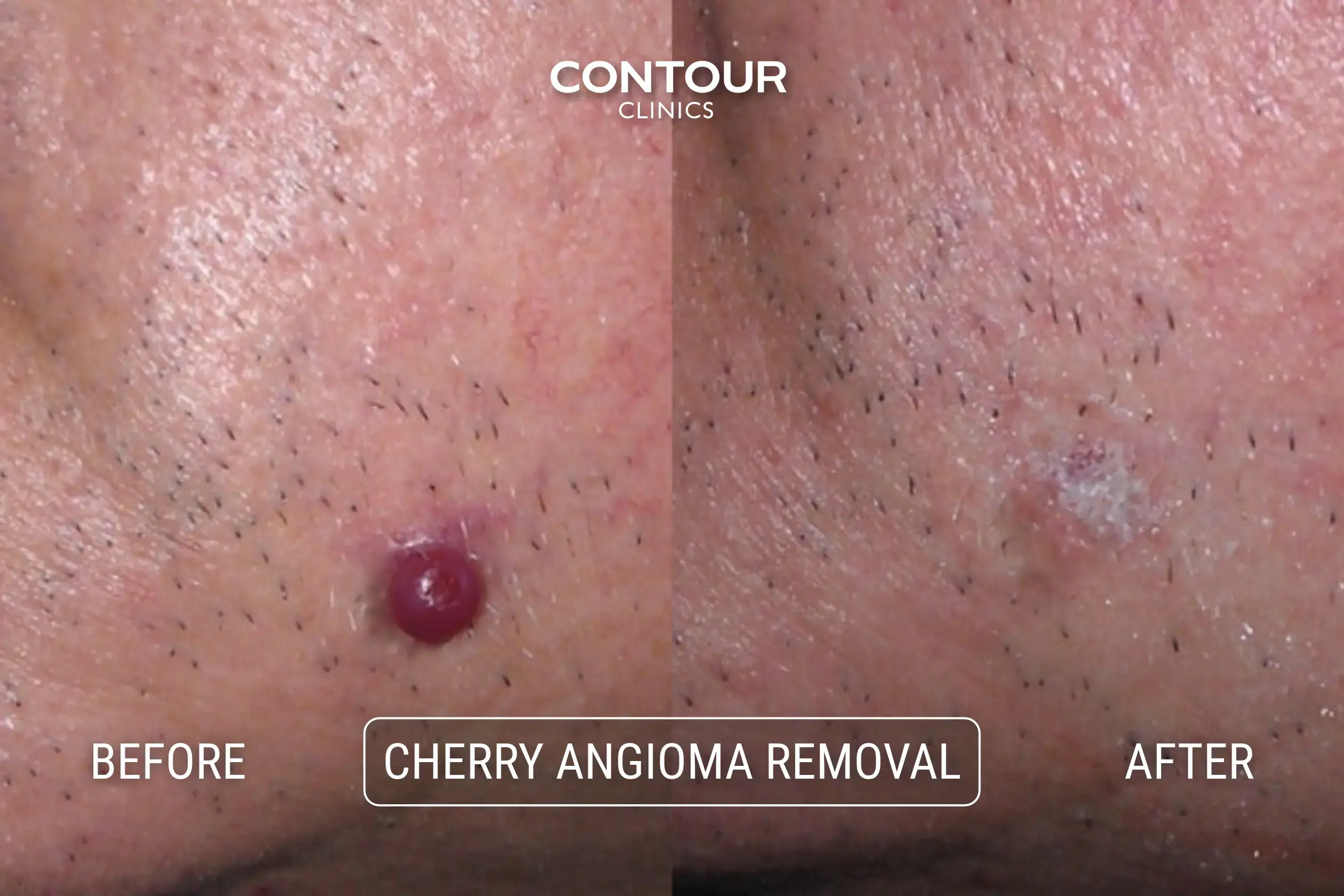
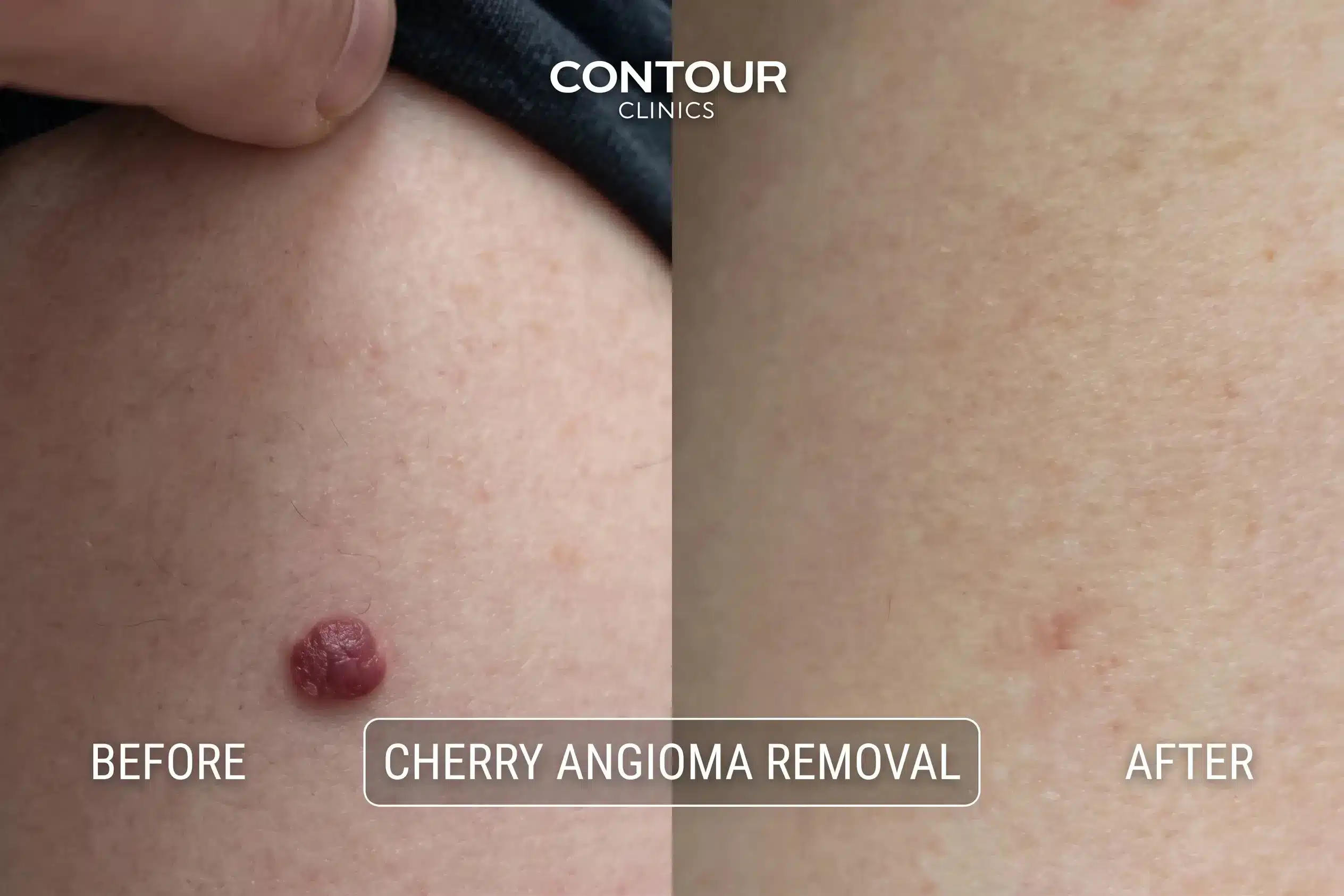
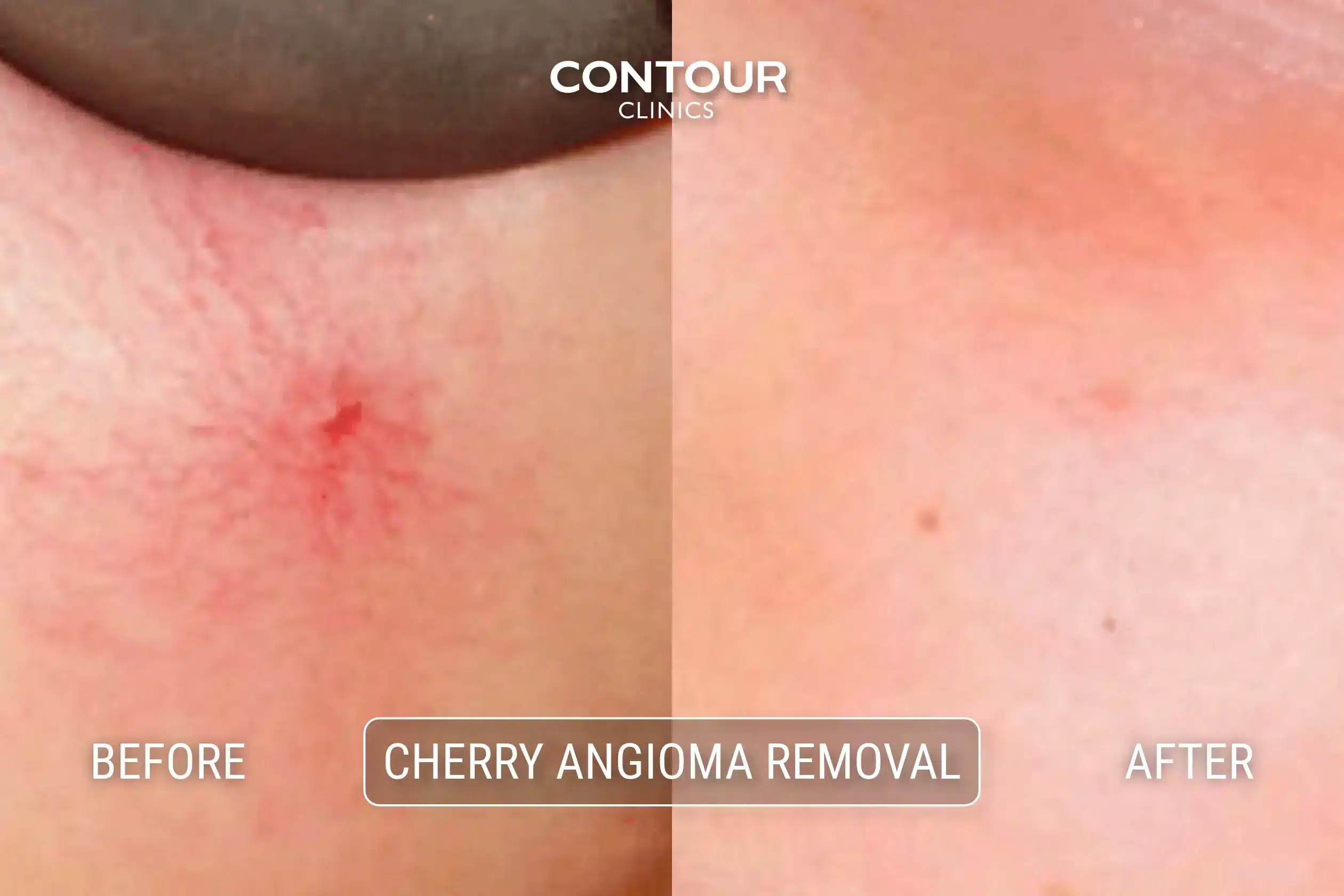
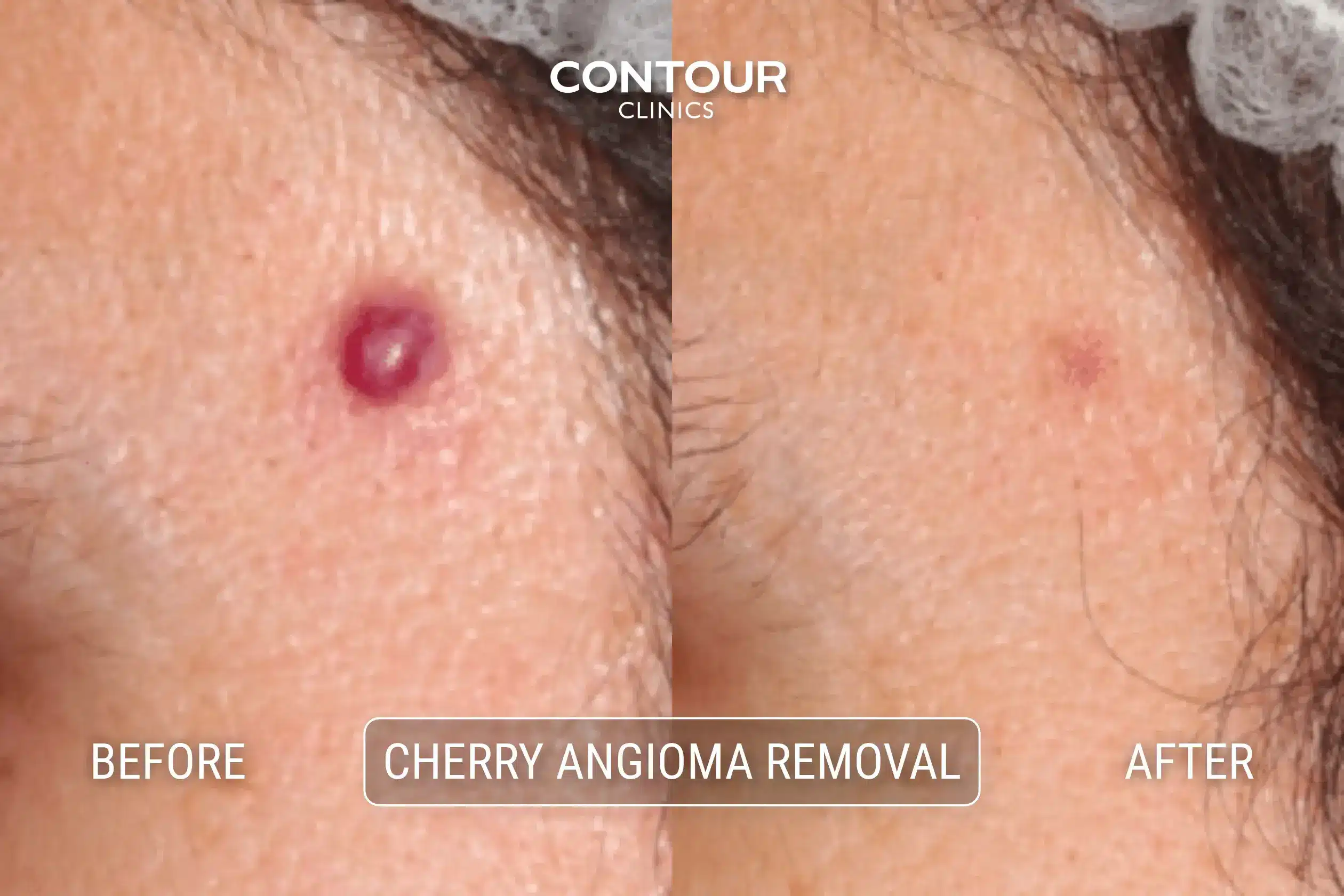
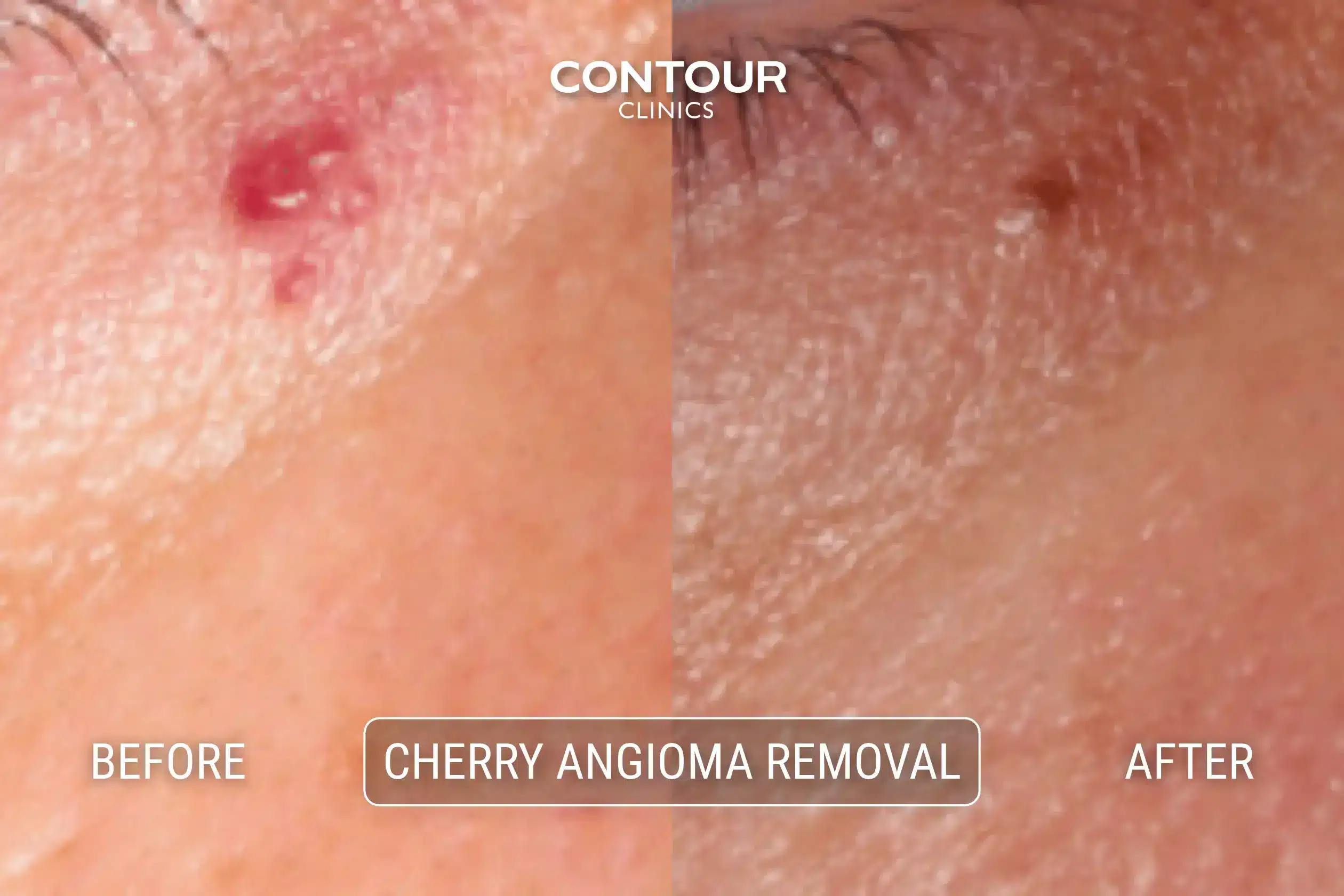
Cherry angiomas are small, bright red, circular or oval spots ranging from pinhead-sized to around half a centimetre. They can be flat or slightly raised, and range from red through blue to purple – if a blood clot forms within one, it can appear black.
What are the other names for cherry angiomas?
Cherry angiomas are also known as senile angiomas, Campbell de Morgan spots or red moles.
Are Cherry Angiomas Normal, and How Many Is Normal?
Yes – most people will have at least one cherry angioma at some point in their life, and there’s no set “normal” number, ranging from one to hundreds. What isn’t typical is an explosion of growth, with tens or hundreds appearing over days to weeks – this is worth having assessed by a doctor.
What does it cost to remove one cherry angioma?
At Contour Clinics, it costs $275 to remove 1-4 cherry angiomas with lasers. Prices for more than four cherry angiomas are listed in the table above.
Can You Get Cherry Angiomas in Your Teens or Twenties?
They’re more common with age, but they can appear in children, teenagers and people in their twenties.
Why do I suddenly have so many cherry angiomas?
A sudden increase in cherry angiomas, with several appearing over a short period, is usually still harmless. Because a rapid eruption can occasionally relate to a broader change in your health, it’s worth having it assessed by a doctor rather than assumed. Genetics, eruptions from friction, medication or exertion from strenuous exercise can be contributors. Hormonal changes, including pregnancy, are among the more common triggers, though most of the time there’s no single identifiable cause.
What Causes Cherry Angiomas, and How Common Are They?
Cherry angiomas are an overgrowth of small blood vessels in the skin, and in most cases there’s no identifiable cause. Around half of adults over 30 have at least one, rising to about 75 per cent of adults 75 and older – so having one, or several, is entirely typical rather than a sign that something’s wrong.
In most cases there’s no clear cause, though they’ve occasionally been linked to hormonal changes, including pregnancy.
Because they’re this common and generally harmless, most people who book a cherry angioma removal do so for comfort or appearance. For more on how cherry angiomas compare to other marks and lesions, see our pages on moles and skin tags.
Can Cherry Angiomas Turn Into Skin Cancer?
No – cherry angiomas themselves aren’t a sign of skin cancer. That said, any new lesion that’s changing, growing quickly, bleeding or looking unusual should be checked by a doctor rather than assumed to be a cherry angioma.
What's the difference between a cherry angioma and a spider angioma?
Both are common, benign vascular skin marks, but they look different. Cherry angiomas typically appear as small, round, dome-shaped red or purple spots. Spider angiomas have a central red spot with thin blood vessels radiating outward, giving a spider-leg appearance. Your practitioner can confirm which you have during an assessment.
How Are Cherry Angiomas Treated, and What's the Difference Between Laser and Electrocautery?
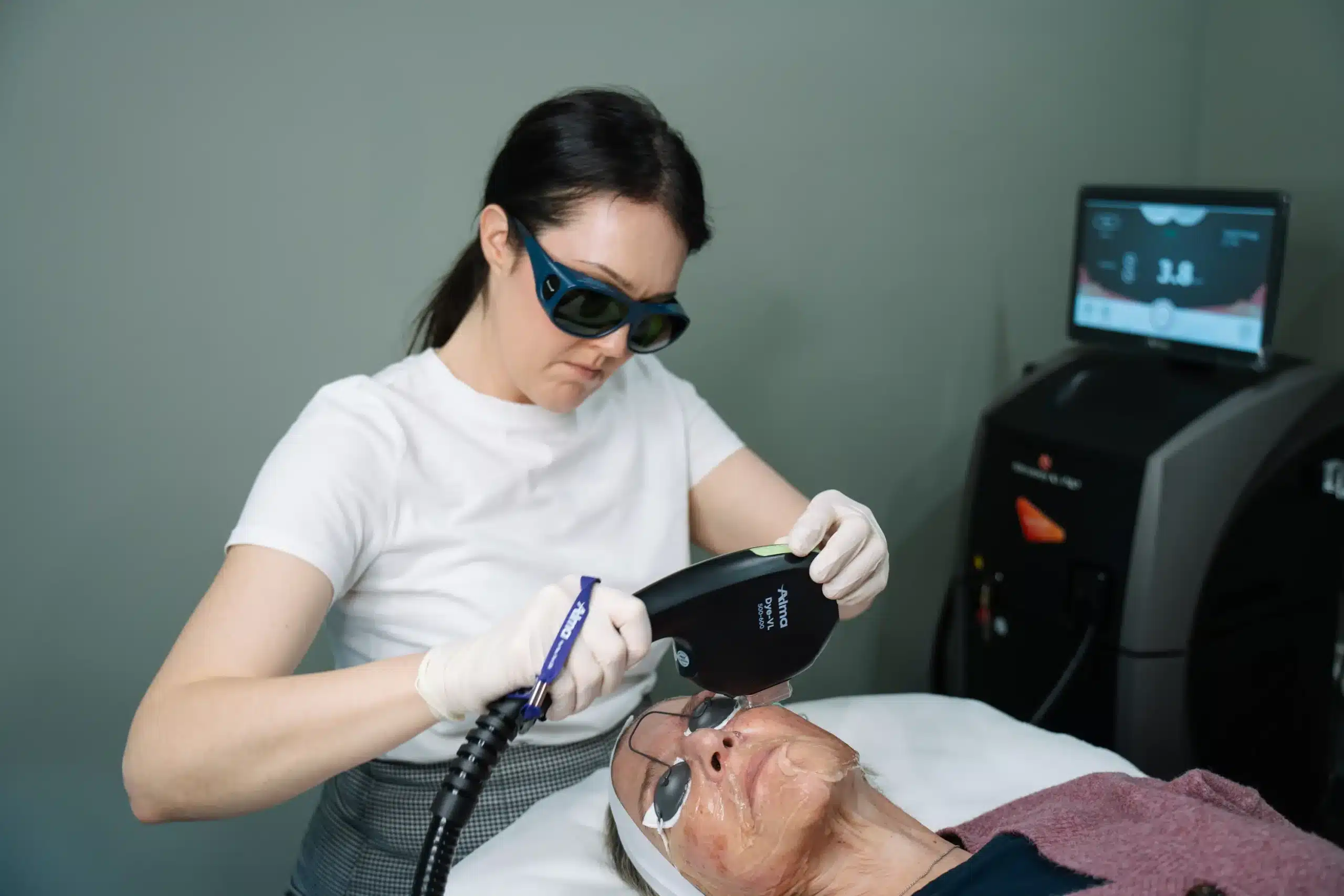
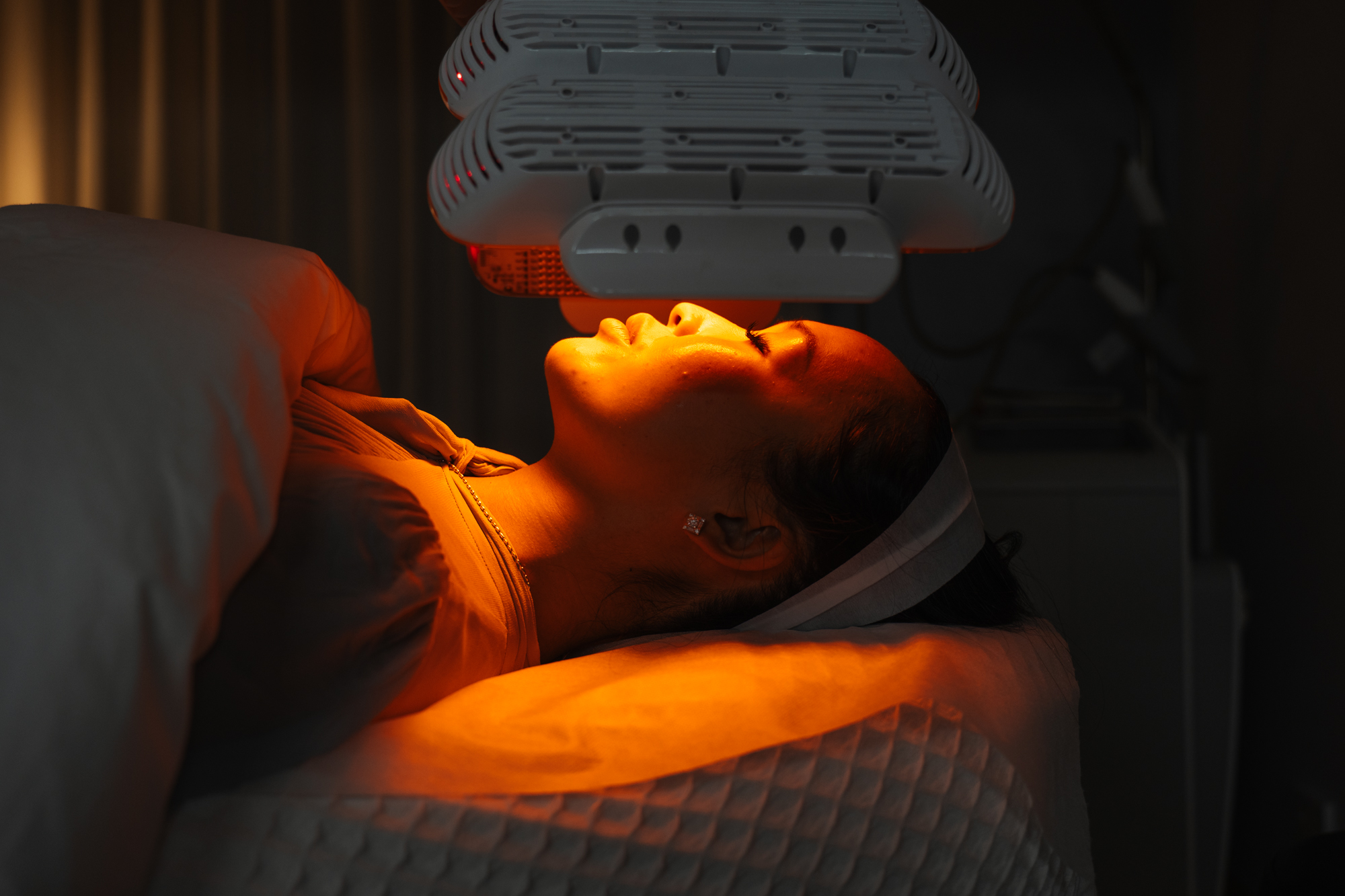
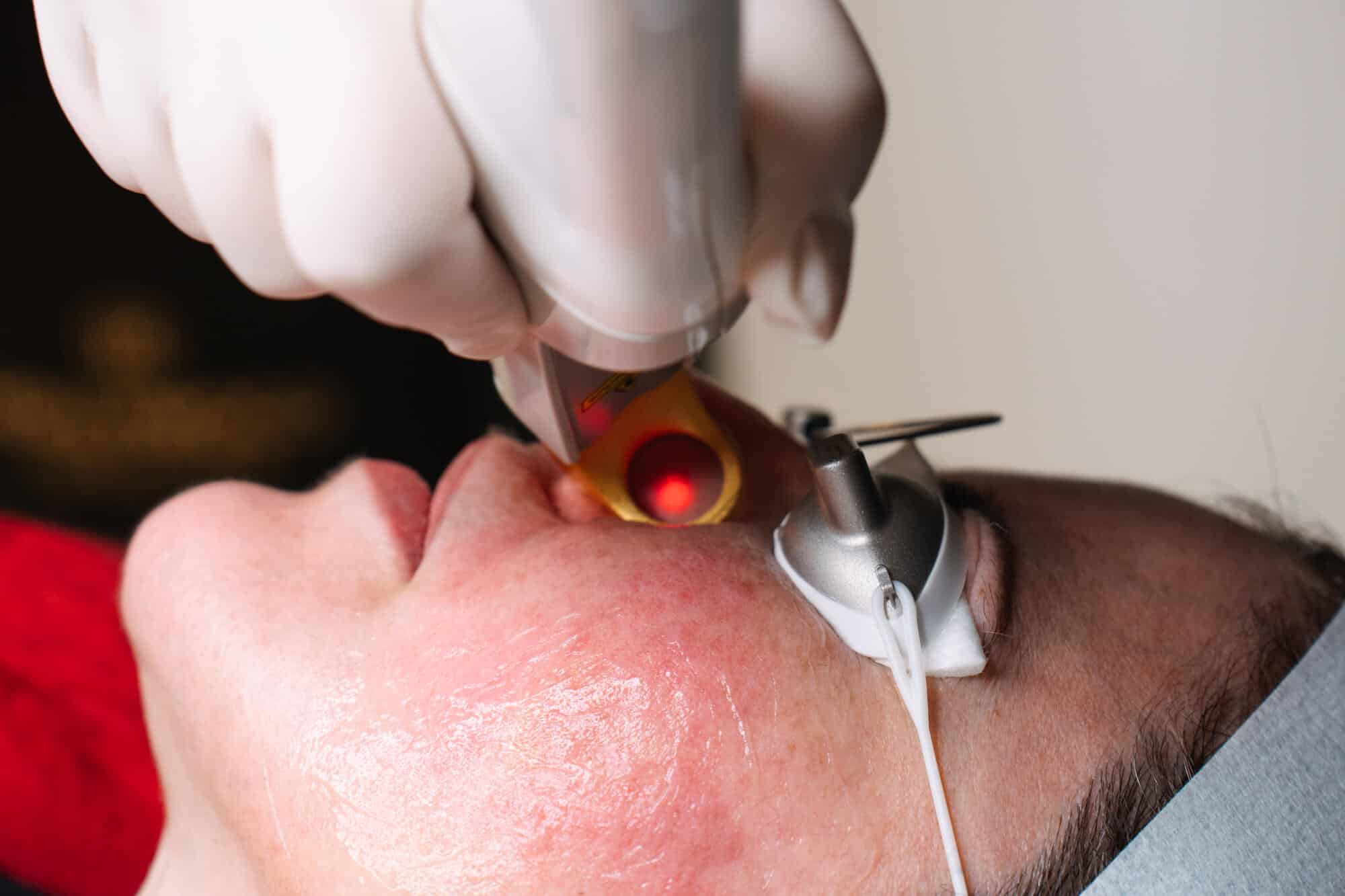
Most cherry angiomas are removed using laser or light-based technologies, including pulsed dye laser, Laser Genesis or IPL which target the blood vessels directly with minimal impact on surrounding skin.
Electrocautery is occasionally used in hair-bearing areas such as the scalp, but isn’t usually necessary elsewhere, and carries a slightly higher chance of local scarring than laser-based options if used more broadly. Cryotherapy is generally avoided at Contour Clinics for the same reason.
Can Older Adults or People With Thinner Skin Have Cherry Angiomas Removed?
Yes – age and skin thickness don’t rule someone out. Your therapist will select the right method and settings for your skin type and the specific lesion at your assessment, rather than using the same approach for everyone.
Do Home Remedies or Over-the-Counter Products for Cherry Angioma Removal Work?
No – there are no creams or topical treatments that remove cherry angiomas. Attempting removal at home also carries a real risk of bleeding, infection or scarring, so it’s best left to a trained practitioner.
Can I Have Cherry Angiomas Removed While Pregnant or Breastfeeding?
This depends on the individual and the treatment being considered, so it’s best discussed directly in a consultation.
Does Medicare or Private Health Insurance Cover Cherry Angioma Removal?
Cherry angioma removal is generally considered a cosmetic procedure and isn’t typically covered by Medicare or private health insurance, unless a doctor determines removal is medically necessary. It’s worth checking directly with your fund if you’re unsure.
How Many Laser Treatments Will I Need for Cherry Angioma Removal?
Most cherry angiomas are removed in a single treatment. Larger or more stubborn spots may need two to three sessions, though this is uncommon.
How Long Is the Healing Process After Cherry Angioma Removal?
Mild redness, swelling or tenderness typically settles within 2 to 3 days, with any remaining colour fading fully over 10 to 14 days.
Is It Safe to Remove Cherry Angiomas With Laser?
All medical procedures carry risk. It is our opinion that once a lesion is confirmed as a benign cherry angioma, removal is safe. Darker skin types need particular care, as not every laser is suitable for them. Contour Clinics has technologies suited to a full range of skin types.
What's the Scarring Risk After Cherry Angioma Removal?
Laser removal carries a low risk of scarring when performed by a trained practitioner. Cryotherapy carries a higher risk, which is why it’s generally avoided at Contour Clinics.
Are Cherry Angiomas Contagious?
No, cherry angiomas aren’t contagious.
Are Cherry Angiomas dangerous?
Cherry angiomas themselves aren’t dangerous, but as with any new skin lesion, it’s worth having it checked by a doctor to confirm what it is.
Can Cherry Angiomas Bleed?
Yes, although it’s uncommon – they can bleed if exposed to trauma, such as scratching or knocking the area.