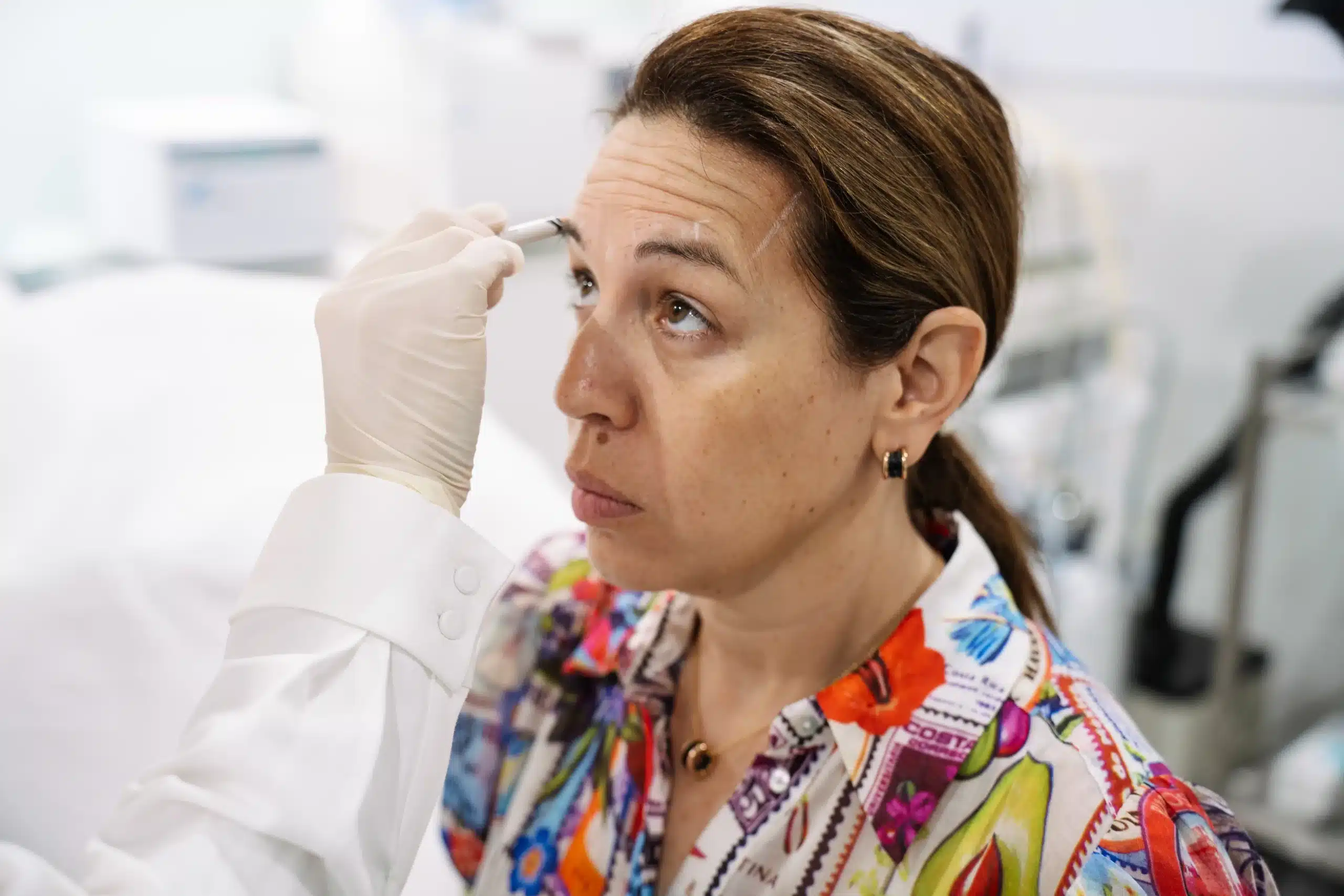
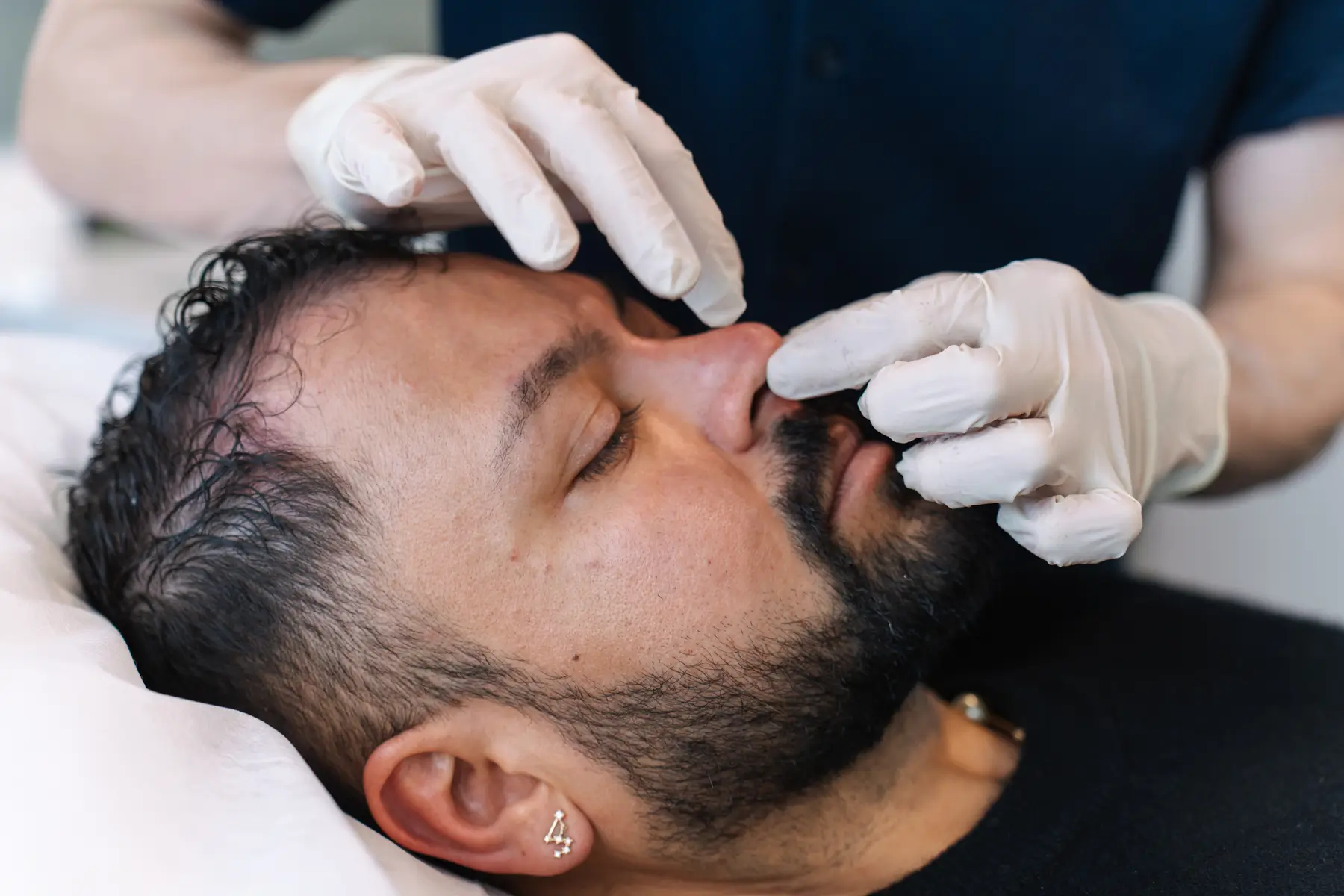
What Are The Risks Or Side Effects of Forehead Contouring Treatments?
All medical procedures carry risks and are not suitable for everyone. The risks depend on the option discussed, your anatomy, and your medical history. Your clinician will explain relevant risks, limitations, and aftercare during consultation.
Less common risks and any warning signs to watch for will be discussed with you one-to-one so you can make an informed decision.
Side effects for forehead treatments can vary, but may include:
- Temporary redness, swelling, or bruising at the treatment site, which typically resolves within a few days.
- Mild discomfort or tenderness, usually short-lived and easily managed with topical treatments or analgesics.
- Headache or mild heaviness, experienced occasionally by patients after treatment, but typically brief and self-limiting.
- Uneven or unexpected results, such as asymmetry or drooping, though these risks are significantly reduced with skilled, experienced cosmetic practitioners.
Talk with your doctor immediately if these side effects persist or you’re experiencing unexpected symptoms.
Are Forehead Contouring treatments safe?
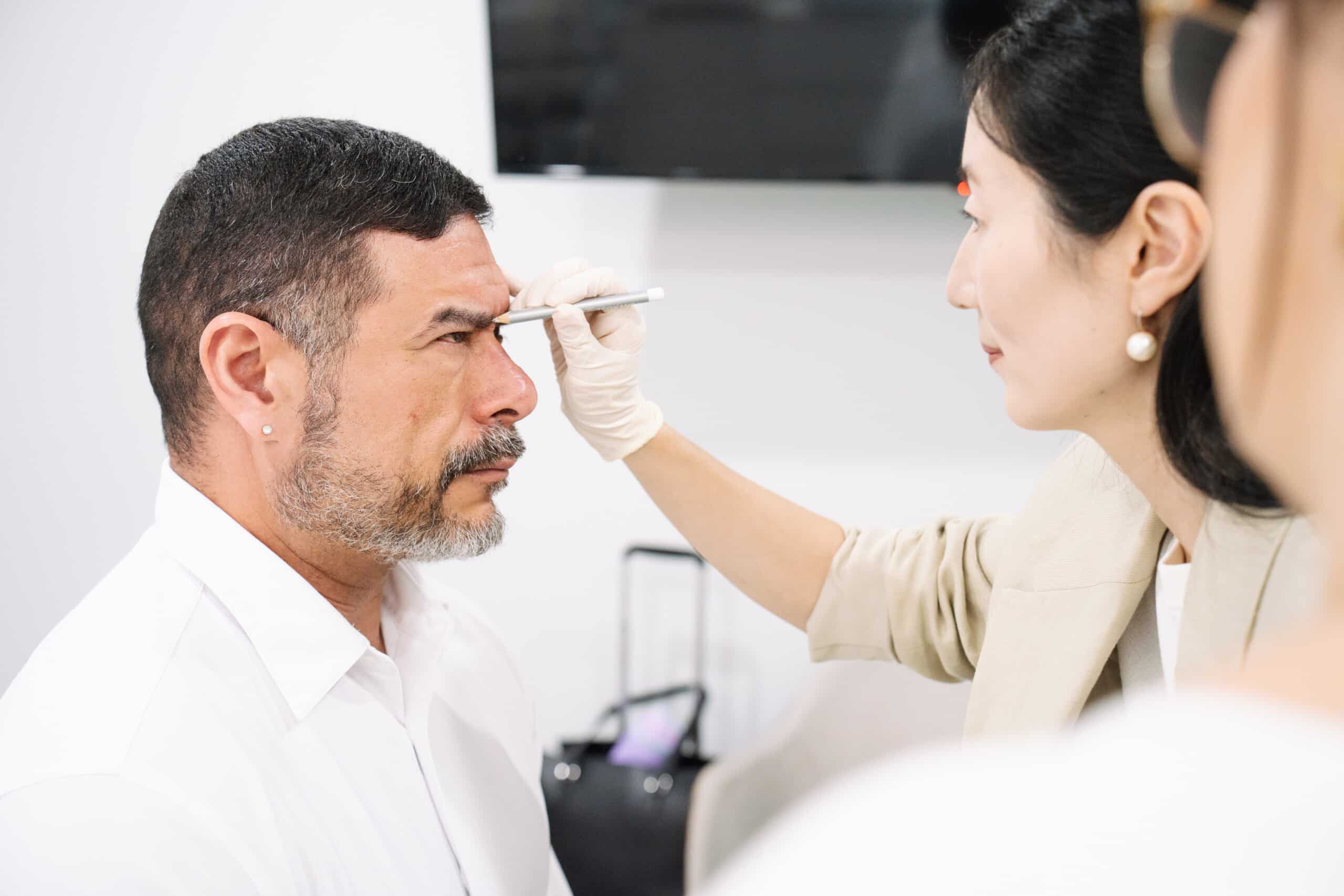
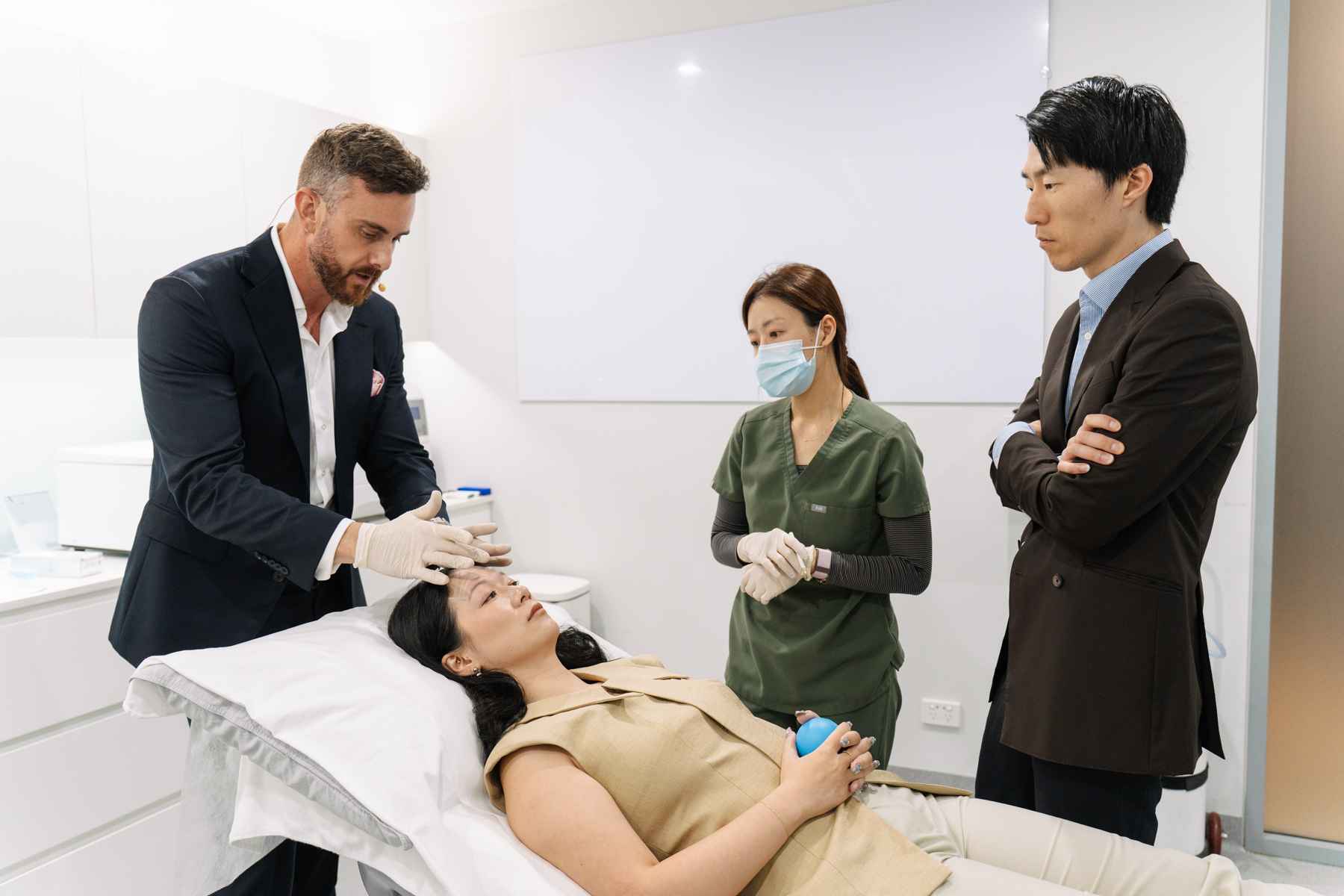
All medical procedures carry risks. At Contour Clinics, your cosmetic doctor will discuss these risks as they relate specifically to your individual circumstances during your consultation.
Forehead contouring treatments performed at Contour Clinics follow clinical best practices and professional standards. Our doctors use techniques and equipment aimed at supporting patient safety and comfort, with the goal of achieving balanced, natural-looking results.
Individual outcomes, risks, and experiences may vary, and your clinician will discuss these thoroughly during your consultation.
Can I Get Forehead Contouring While Pregnant or Breastfeeding?
Forehead contouring treatments are not recommended during pregnancy or breastfeeding, as a precaution to ensure the safety of both mother and baby. At Contour Clinics, patient safety and wellbeing are our highest priorities.
If you are pregnant or breastfeeding, we advise postponing cosmetic treatments until after you have finished breastfeeding. For personalised guidance tailored to your situation, please contact our clinic to arrange a complimentary consultation. Our doctors will discuss suitable treatment options and appropriate timing based on your individual circumstances.
Does Forehead Contouring Hurt?
Forehead contouring treatments are typically very well-tolerated, and most patients describe only minimal discomfort during the procedure. At Contour Clinics, your comfort is our top priority. Before treatment, we apply a topical numbing cream to ensure you remain as comfortable as possible. We also offer additional comfort measures, such as nitric oxide if clinically indicated, to further promote comfort.
Our experienced doctors use techniques designed specifically to reduce discomfort, maintain strict hygiene standards and improve safety. You may feel slight pressure or minor sensations during the treatment, but significant pain is uncommon. Your Contour Clinics doctor will talk you through each step and ensure you feel relaxed, informed, and comfortable at all times.
What Precautions Should I Take Before My Forehead Contouring Treatment?
Your clinician will provide personalised pre-appointment guidance during consultation. In general, it’s helpful to:
-
Avoid blood-thinning medications and supplements (such as aspirin, ibuprofen, fish oil, vitamin E) for at least 7 days before your treatment to reduce the risk of bruising. Do not cease any prescribed medication before speaking with your General practitioner or specialist medical practitioner.
-
Minimise alcohol consumption 24–48 hours prior, as alcohol can increase the risk of bruising and swelling.
-
Stay hydrated and maintain good skin hygiene, as this helps optimise healing and outcomes.
-
Inform your clinician if you have any active skin infections, allergies, or recent illnesses, or if you are pregnant or breastfeeding.
During your complimentary consultation at Contour Clinics, your clinician will provide personalised pre-treatment advice tailored specifically to your individual situation and treatment goals.