Skip to Content Skip to Navigation

The Blog What Causes Fine Lines & Wrinkles?

Medically reviewed by: Mary Chigwidden, Head of Education and Senior Cosmetic Nurse, 24 November 2026

In brief:

  • Fine lines and wrinkles form when repeated facial movement folds the skin in the same place over thousands of expressions – just like a piece of paper refolded many times
  • Younger skin springs back easily thanks to collagen and elastin – but both decline naturally from your early twenties
  • Sun exposure, smoking and loss of facial volume and bone density all accelerate how quickly temporary lines become permanent
  • A 1:1 assessment can identify what’s actually driving your own lines, so any plan reflects your skin specifically
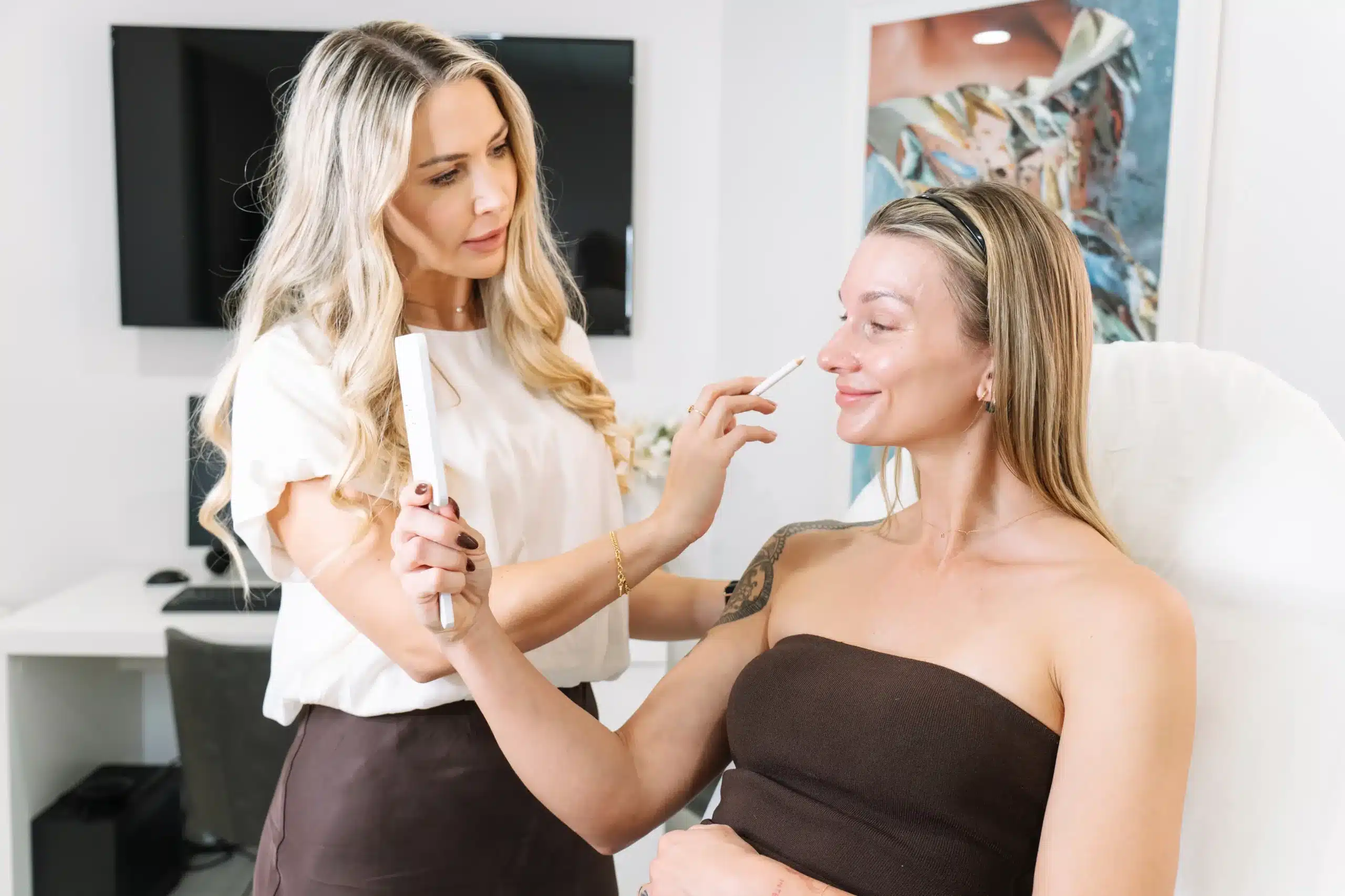
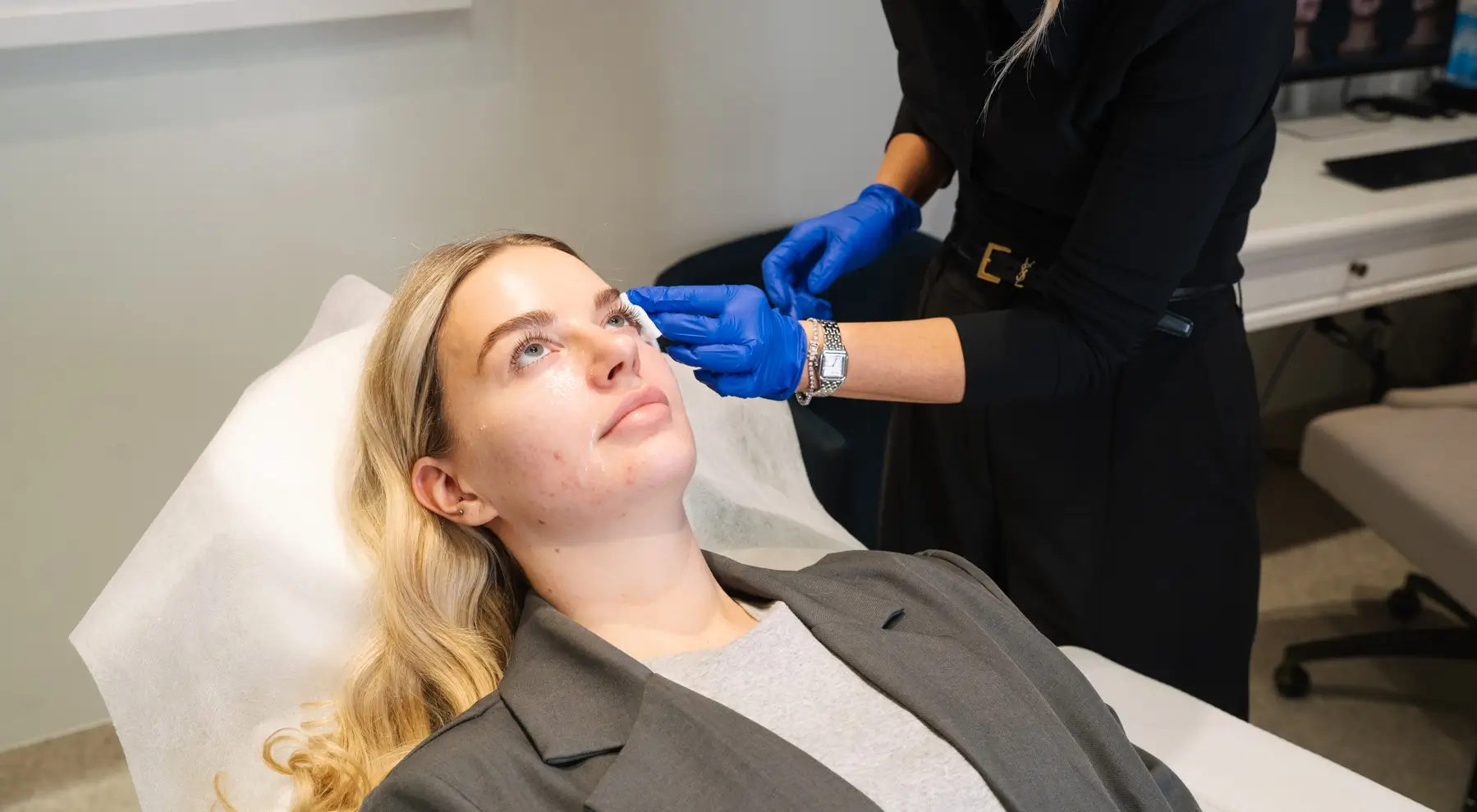
How Fine Lines and Wrinkles Form explained by Sydney cosmetic doctors at Contour Clinics

How Fine Lines and Wrinkles Form

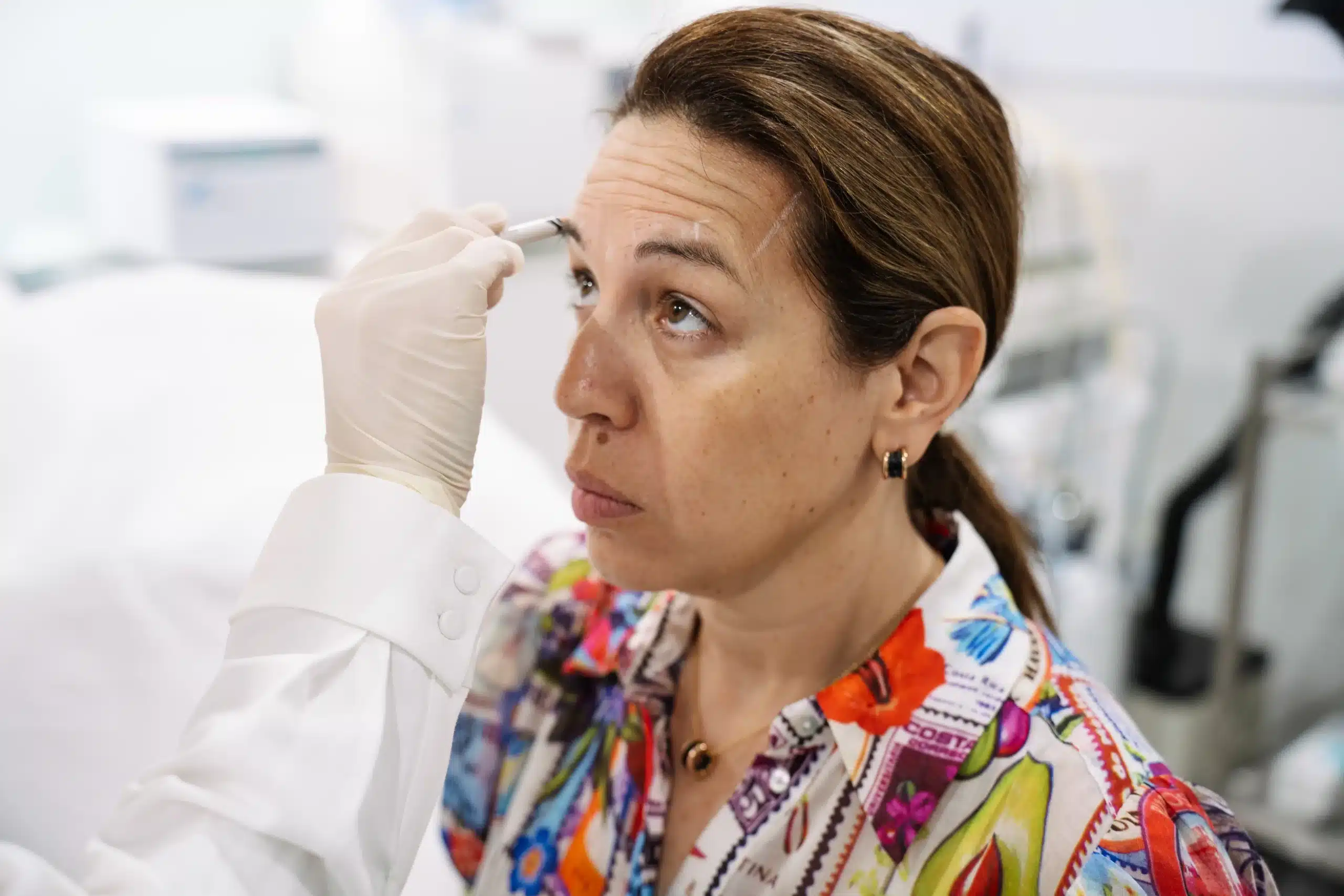
Every time you frown, squint, smile or raise your eyebrows, your skin folds in exactly the same place. When you’re young, it simply springs back. But repeat that same fold thousands of times, and eventually the crease begins to stay.

Think of it like folding a fresh piece of paper in the same spot, over and over. At first, you can flatten it out and barely see where it was folded. Keep folding it and eventually a permanent crease forms.

Contour Clinics’ Founder, Ben Thurlow, explains: “Skin behaves in a similar way – and understanding why gets you much closer to understanding your own lines than any product label or treatment menu will.”

Forehead Wrinkle Consultations Sydney and Brisbane

The Muscles Behind the Fold

Many of the muscles in the face are unusual, because they attach directly into the skin rather than to bone. When these muscles contract, they pull the skin with them, creating the folds that let us frown, smile, squint and raise our brows. This is different from much of the rest of the body, where muscles attach to bone rather than skin directly.

When the muscle relaxes, the folding stops. In younger skin, this movement leaves very little trace, because the skin is rich in collagen and elastin. Collagen provides strength and structure. Elastin gives skin its flexibility and its ability to spring back into place.

At first, the lines this movement creates are only visible when you make an expression – known as dynamic lines. Eventually, repeated folding, combined with changes within the skin, can cause those lines to remain even when your face is completely relaxed. They’ve become static lines, or wrinkles. 

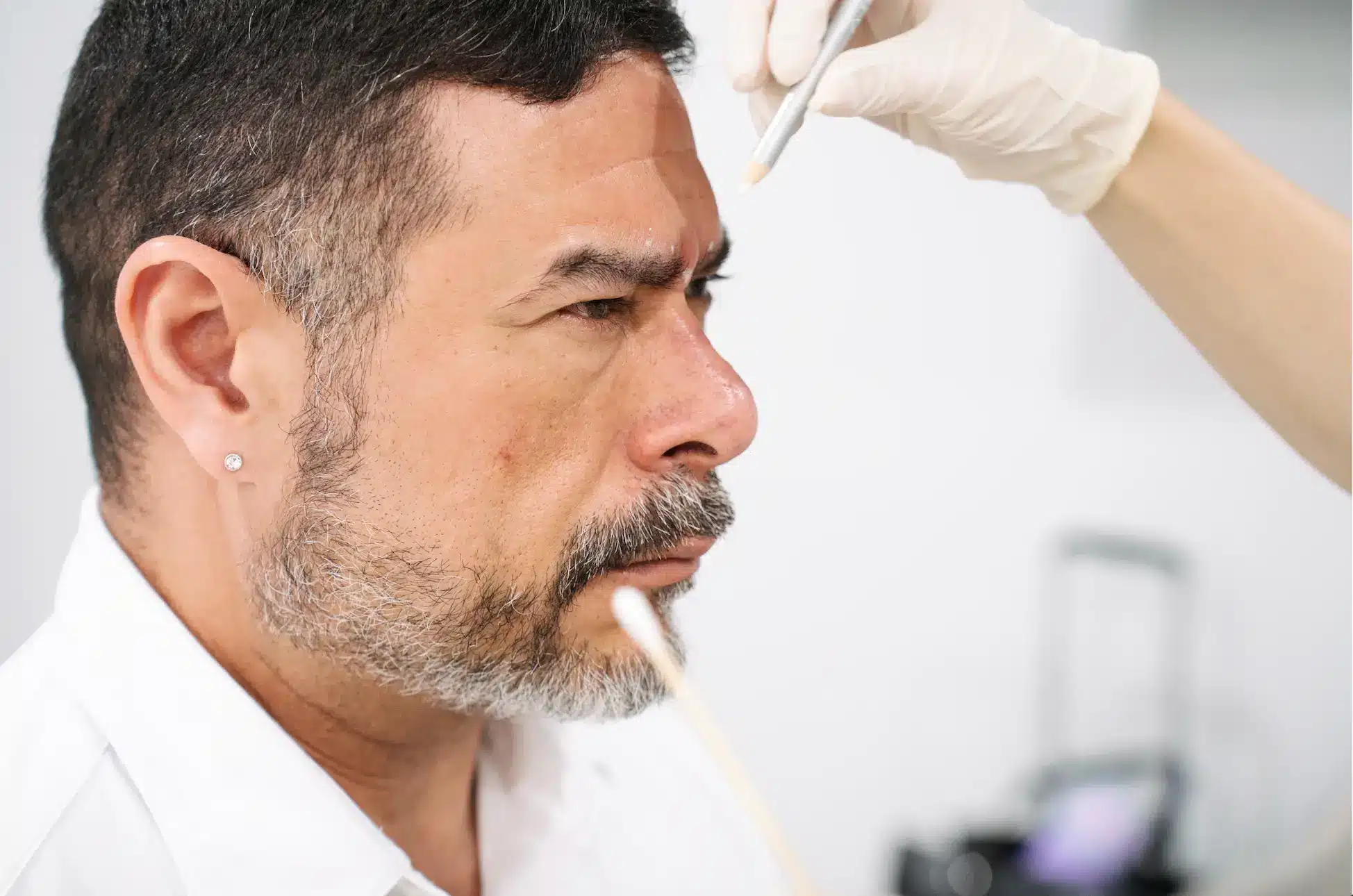
This is why fine lines and wrinkles on the forehead form where we repeatedly raise our brows, why frown lines develop between the eyebrows and crow’s feet appear around the eyes where the skin folds when we smile and squint.

What Causes Fine Lines & Wrinkles

But Movement is Only Half the Story

How quickly a temporary fold becomes permanently etched into the skin also depends on the quality and support of the skin being folded.

Go back to our piece of paper. A new, strong sheet can tolerate repeated folding far better than one that’s become thinner, weaker and more fragile. 

The same is true of skin.

The rest of the wrinkle story is caused by…

Ageing

From your early twenties, you begin to lose around one per cent of your collagen each year. Elastin becomes less effective, natural hyaluronic acid levels decline, and skin gradually becomes thinner and less resilient. The result is skin that doesn’t spring back from repeated folding as easily as it once did – older paper creases more easily than new paper.

UV damage

UV exposure actively breaks down collagen and elastin. Smoking does similar damage, which is part of why smoker’s lines around the upper lip tend to form earlier and more deeply than expression lines elsewhere on the face.

Loss of facial structure and volume

As we age, the fat pads in our face gradually shrink, and the underlying facial bone also reduces in density, as more bone is broken down than rebuilt over time. Picture skin stretched over a strong, full framework, held firm and taut. As that framework becomes smaller, the skin is draped over less support – it loosens, develops more laxity and can fold over itself more easily. This contributes to more lines, more wrinkles, and, over time, deeper creases.


What Actually Causes a Wrinkle?

So, What Actually Causes a Wrinkle?

It’s the interaction between movement, skin quality and structural ageing.

Muscle movement determines where the skin repeatedly folds. The quality of the skin determines how well it tolerates that folding. The underlying facial structure determines how tightly the skin is supported.

When we’re young, strong, elastic skin sits over a full and well-supported facial framework. It tolerates an extraordinary amount of movement and still springs back into position. As we age, the skin becomes thinner and less resilient, while the structure underneath becomes smaller – and the same areas of skin have already been folded thousands upon thousands of times. 

Eventually, some of those temporary folds stop disappearing. 

They become wrinkles. This is where a wrinkle consultation can help.

Cosmetic doctors at Crows Nest Contour Clinics

Understanding the Cause Changes What's Possible

Once you understand how expression lines actually form, it opens up a different way of thinking about them.

You’re not simply trying to hide a wrinkle. You’re reducing one of the major forces creating it while preventing further breakdown of skin elasticity and further etching of lines. 

If a line is largely driven by movement, addressing what’s creating that repeated folding is a genuinely different approach to softening its appearance – rather than concealing it.

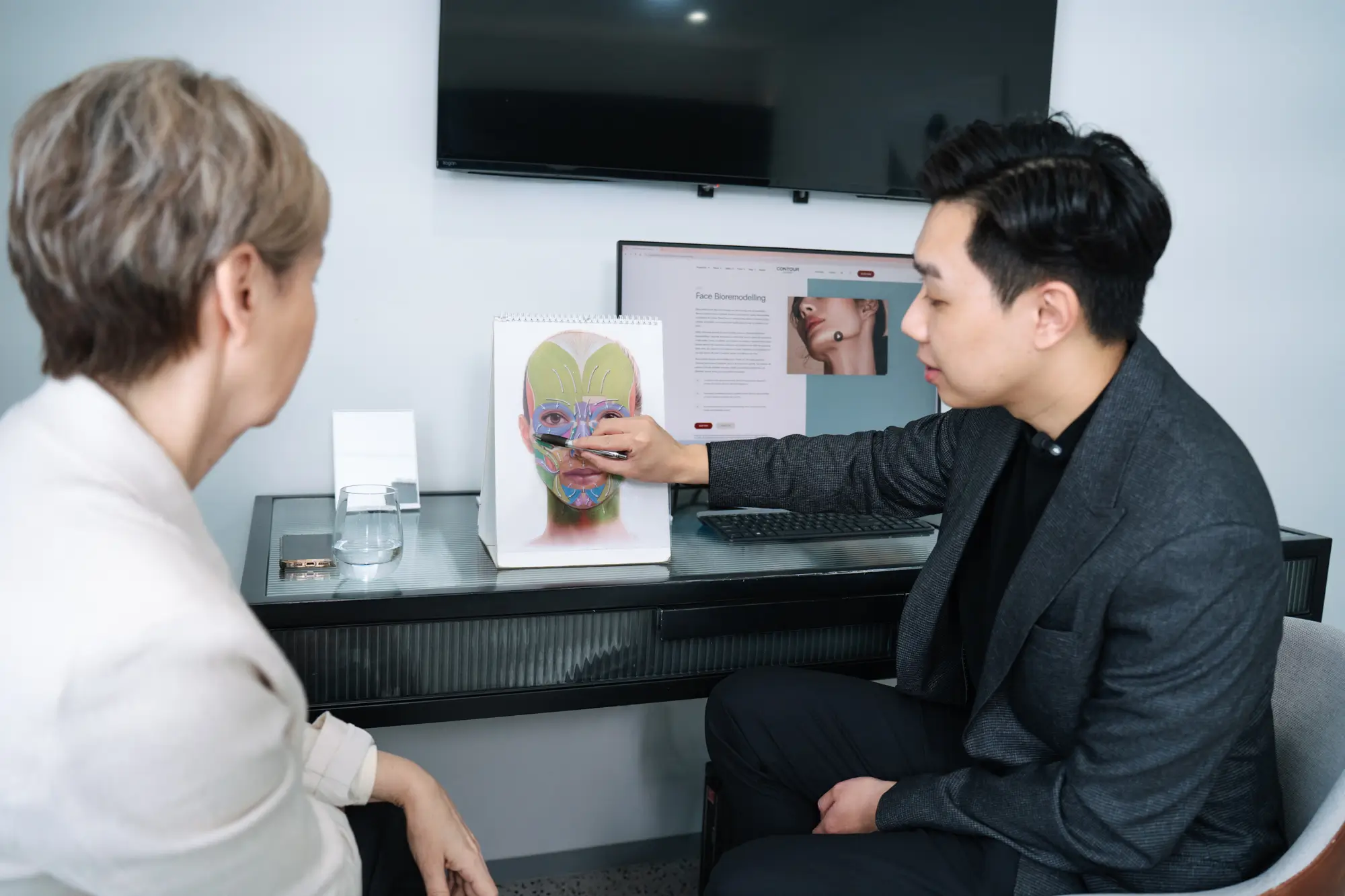
This is exactly the kind of distinction a wrinkle consultation is designed to make – whether a line is movement-driven, or has become more influenced by skin quality and structural changes. It’s exactly why a one-size-fits-all approach rarely makes sense.

To see how we assess and approach fine lines and wrinkles more broadly, start with our Lines & Wrinkles overview.

Book a complimentary consultation with one of our practitioners in Sydney or Brisbane to talk through what’s behind your own lines, and what may be suitable for you.

The Contour Medical Team

About The Contour Medical Team

This article has been prepared for general informational purposes only. It does not constitute medical advice, diagnosis, or a treatment recommendation. Suitability for any cosmetic treatment varies between individuals and should be assessed in a 1:1 consultation with a qualified practitioner. If you have questions about your specific situation, we encourage you to book a consultation or contact our team directly.

Are You Ready?

Book Now

Ready to book? Still have questions? Leave us a message and we will get back to you as soon as possible.


or call us on 1300 233 803