
Skip to Content Skip to Navigation

The Blog Understanding Ozempic Neck: Supporting Neck Skin During Weight Loss

In brief

  • Rapid weight loss can contribute to skin laxity and a hollowed or deflated appearance in the neck and jawline, often referred to as “Ozempic Neck”
  • The neck is commonly one of the first areas to show visible change due to thinner skin, reduced collagen and loss of fat pad support
  • Supporting skin health during weight loss may include good nutrition, hydration, sun protection, and appropriate medical guidance
  • Non-surgical options that restore volume, stimulate collagen or support skin tightening may be discussed as part of a personalised plan
  • Always consult a qualified medical professional before considering any cosmetic or medical treatment

Accelerated weight loss can be life‑changing for health and wellbeing. As access to GLP‑1 medications such as Wegovy increases in Australia, more people are achieving meaningful weight‑loss outcomes. Alongside these changes, some individuals are noticing visible changes in the neck and jawline, often referred to as “Ozempic neck.” It’s a condition that can occur in parallel with Ozempic face but they do not necessarily occur together. 

This article explores why Ozempic neck can occur, why the neck is often affected early and how people can support skin quality and mental health during weight loss through informed, proactive care.
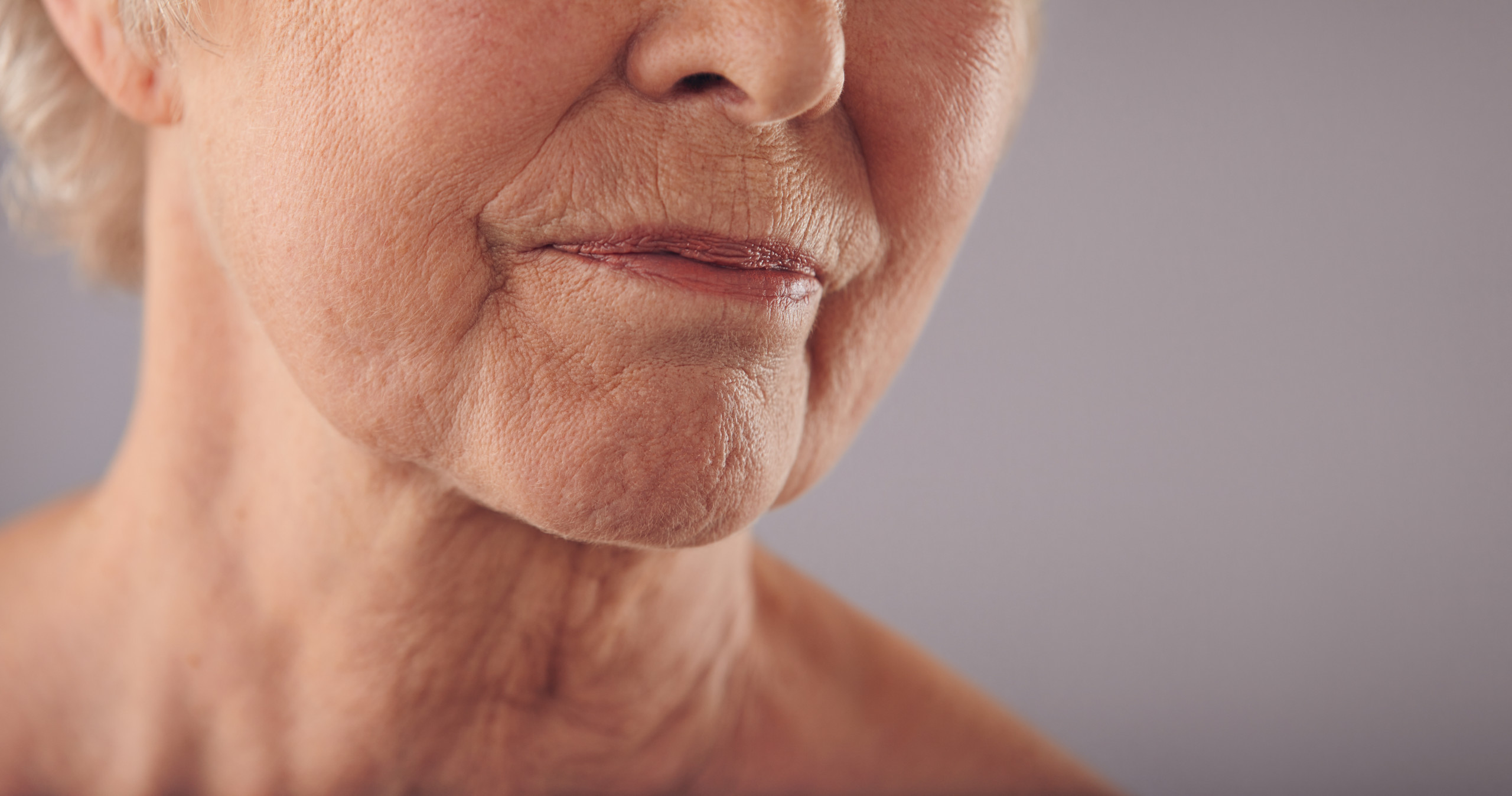

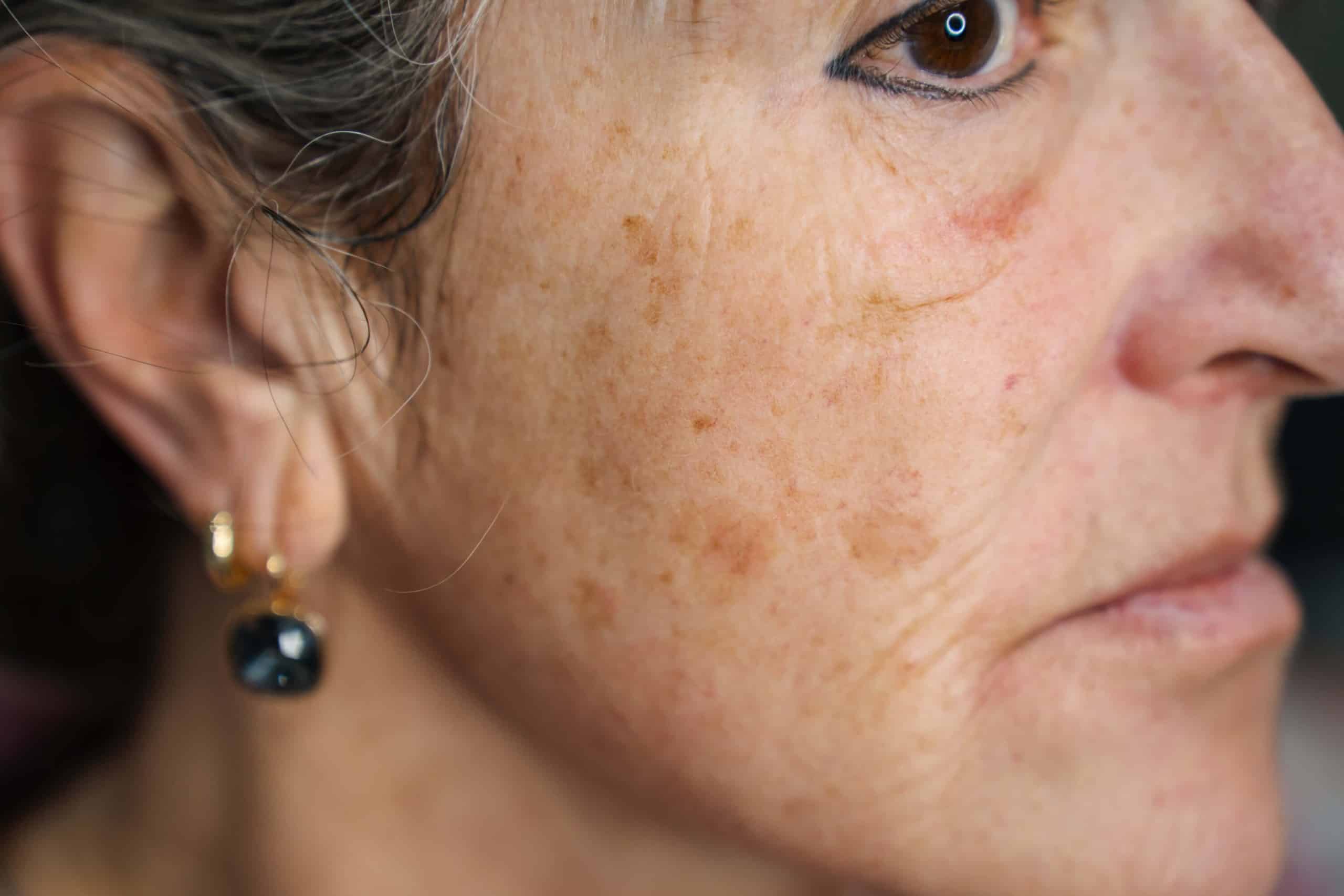
Mature woman with skin laxity akin to Ozempic neck or Ozempic face

What Is Ozempic Neck?

Ozempic neck is a non‑medical term used to describe skin laxity and a hollowed or deflated appearance in the neck and jawline following rapid weight loss.

While commonly discussed alongside the medicine Ozempic, these changes are not exclusive to one medication and can occur with any significant or accelerated reduction in body fat.

The neck is particularly vulnerable because it has thinner skin, fewer oil glands and relies heavily on underlying fat and collagen for structure and firmness.

Dr Jamie Addlestone, cosmetic doctor on Ozempic neck

Why The Neck Shows Changes In Weight Loss

During rapid weight loss, fat is lost from multiple areas of the body, including the deep fat pads that help support the face and neck. When this volume decreases quickly, the skin may struggle to adapt at the same pace.

Dr Jamie Addlestone, Cosmetic Doctor at Contour Clinics and practising longevity specialist explains:

“Ozempic neck happens because rapid weight loss can outpace the skin’s ability to ‘shrink‑wrap’ to a new contour, often leading to significant sagging or a gaunt look.”

In the neck, this can present as looseness, visible bands, or a softer jawline, sometimes described as ‘turkey neck’.

IPL laser can treat uneven skin tonem sun damage, pigmentation and more

The Anatomy of Ageing and Weight Loss

As we age, collagen production naturally slows and skin elasticity decreases. If significant weight loss occurs on top of this, the loss of deep structural fat can further reduce the skin’s natural scaffolding – particularly in the neck and along the jawline.

This combination of age-related collagen change and reduced underlying volume is one reason Ozempic neck can be more noticeable in some individuals than others. 

Factors such as genetics, age, sun exposure, smoking history, the pace of weight change and your starting skin quality can all influence how the neck looks as body composition shifts.

In simple terms, the neck can appear looser when the volume underneath reduces faster than the skin can adapt.

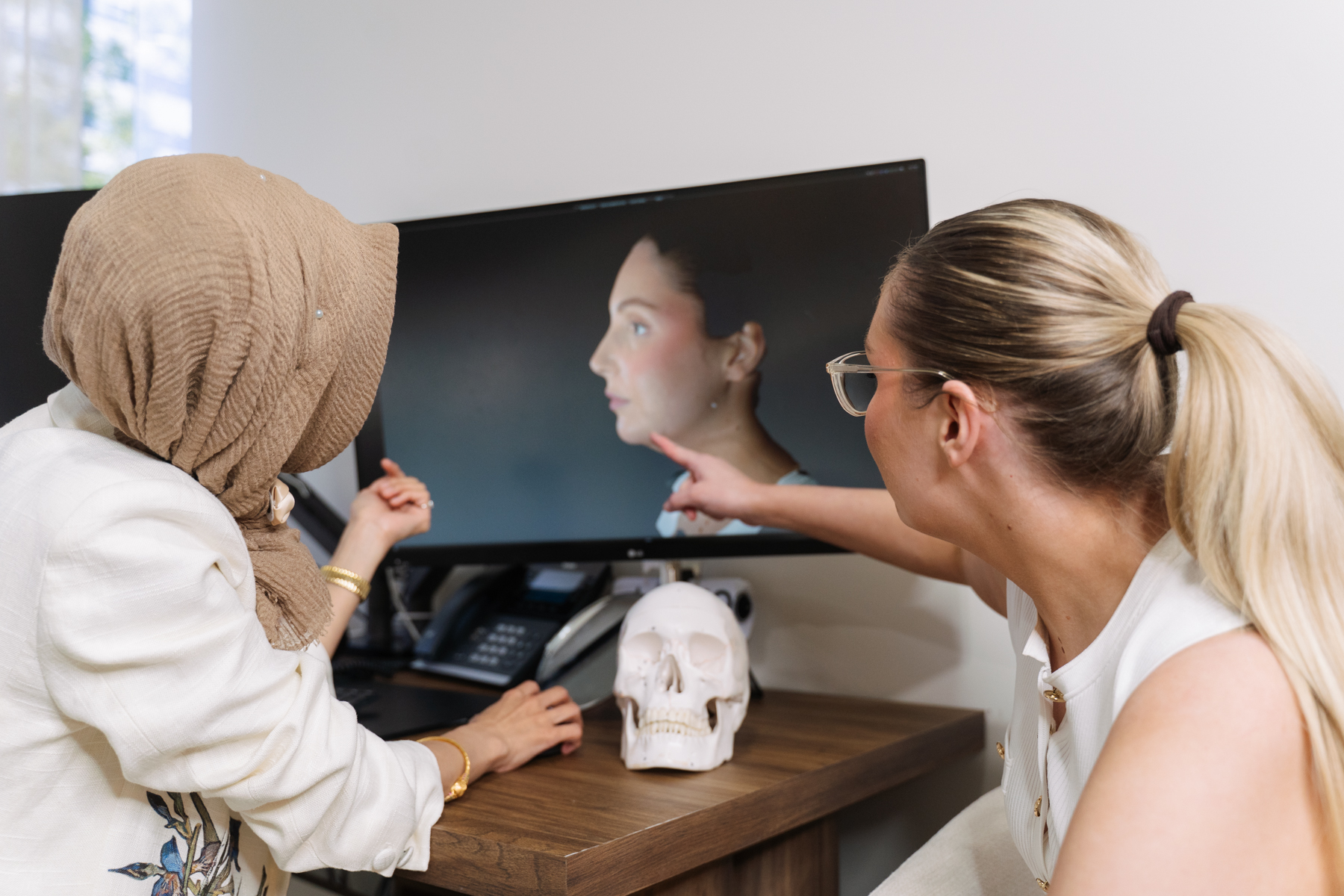
Consultation for Ozempic neck with doctor at Contour Clinics

The Rise in Consultations for Ozempic Neck

With reports estimating at least 500,000 Australians are now using GLP‑1 medications, clinics are seeing a growing number of people seeking professional advice about changes in their neck and jawline.

“At Contour Clinics, we are seeing more people than ever booking consultations to discuss these changes,” says Dr Addlestone. “It’s not about rushing into a procedure; it’s about understanding the anatomy of the change.”

For many patients, reassurance and education are the first steps, followed by a personalised discussion about long‑term aesthetic goals.

Ways to support Skin Elasticity During Weight Loss

Supporting Skin Elasticity During Weight Loss

While it is not always possible to control how the skin responds to rapid fat loss, there are ways to support skin health during weight loss.

Nutrition and Hydration

Adequate protein intake, hydration, and micronutrients such as vitamin C, zinc, and healthy fats all play a role in collagen production and skin integrity. Maintaining these foundations can help support the skin as the body changes.

Medical Guidance and Timing

Weight loss journeys are individual. Speaking with healthcare professionals early can help people understand what changes may occur and when to seek advice if concerns arise.

Dr Addlestone explains:

“For some, adjusting nutrition or hydration can help, but for many, the loss of deep fat pads requires a medical approach to restore that lost scaffolding. We always advise that anyone noticing these changes speaks to a professional first to create a long‑term plan that supports both their weight loss goals and their comfort.”

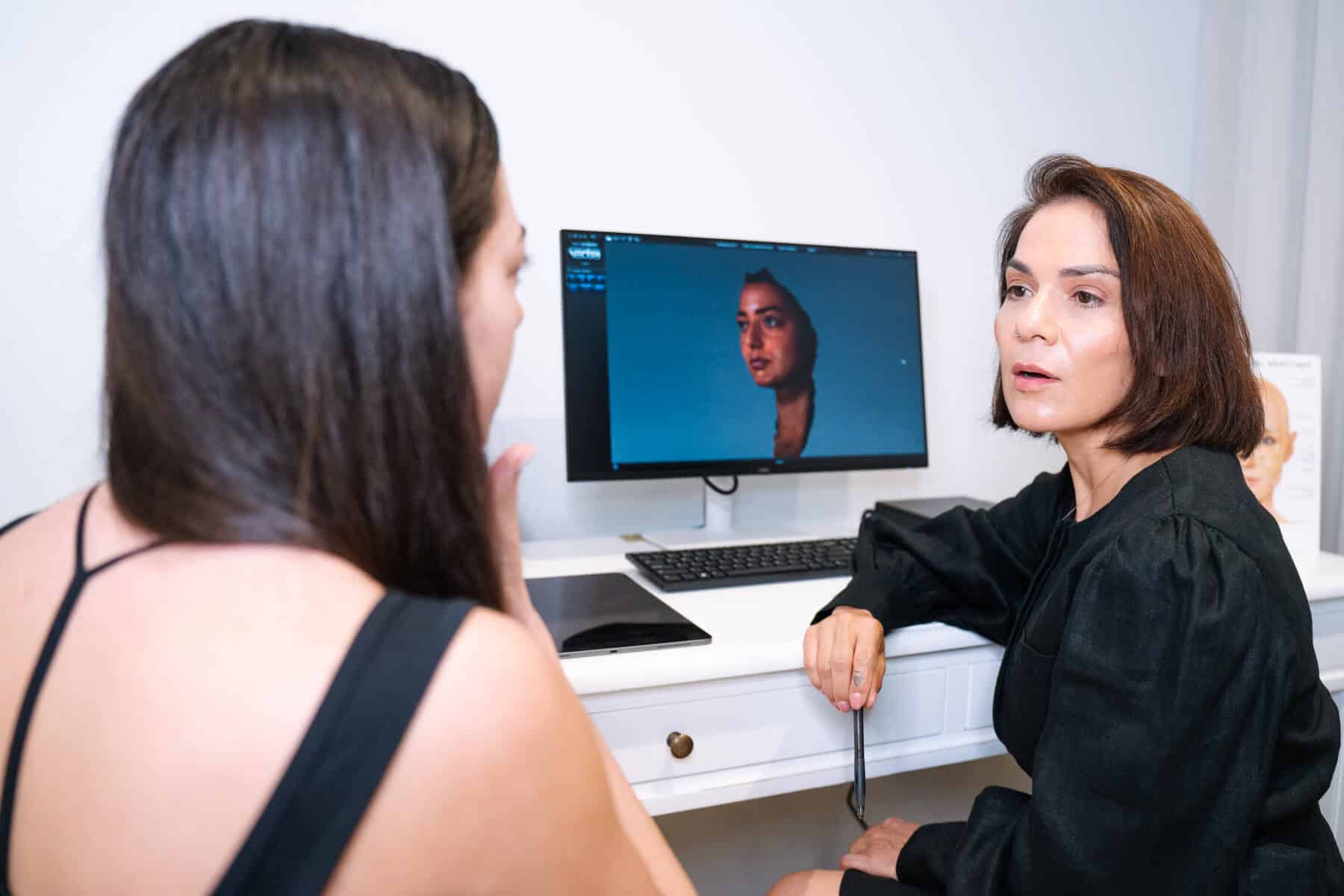
3d facial imaging

Professional Assessment of Ozempic Neck

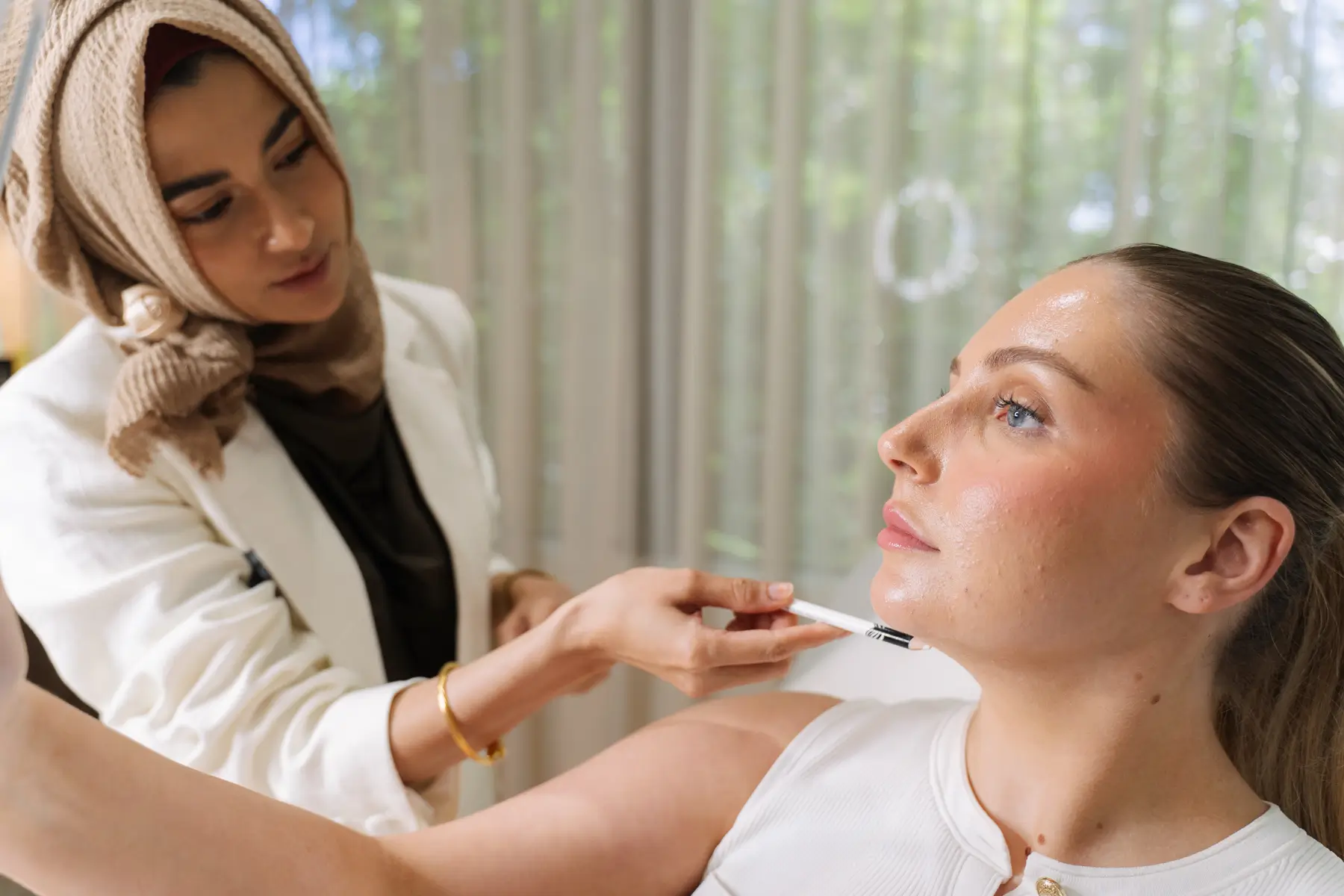
Consultations allow practitioners to assess skin quality, degree of volume loss and overall facial balance. From there, options may be discussed in a measured, tailored way, with a focus on natural‑looking support rather than overcorrection.

At Contour Clinics, we use 3D imaging to assess your face, neck and anatomy in creating a considered, tailored and staged approach. Using an evidence-based approach in collaboration with your goals, our focus is on natural, balanced outcomes at every step.

Ozempic neck reflects a broader conversation about how rapid weight loss affects appearance, not just health. With the right information, guidance, and support, individuals can navigate these changes confidently and make informed decisions that align with both their wellbeing and self‑image.

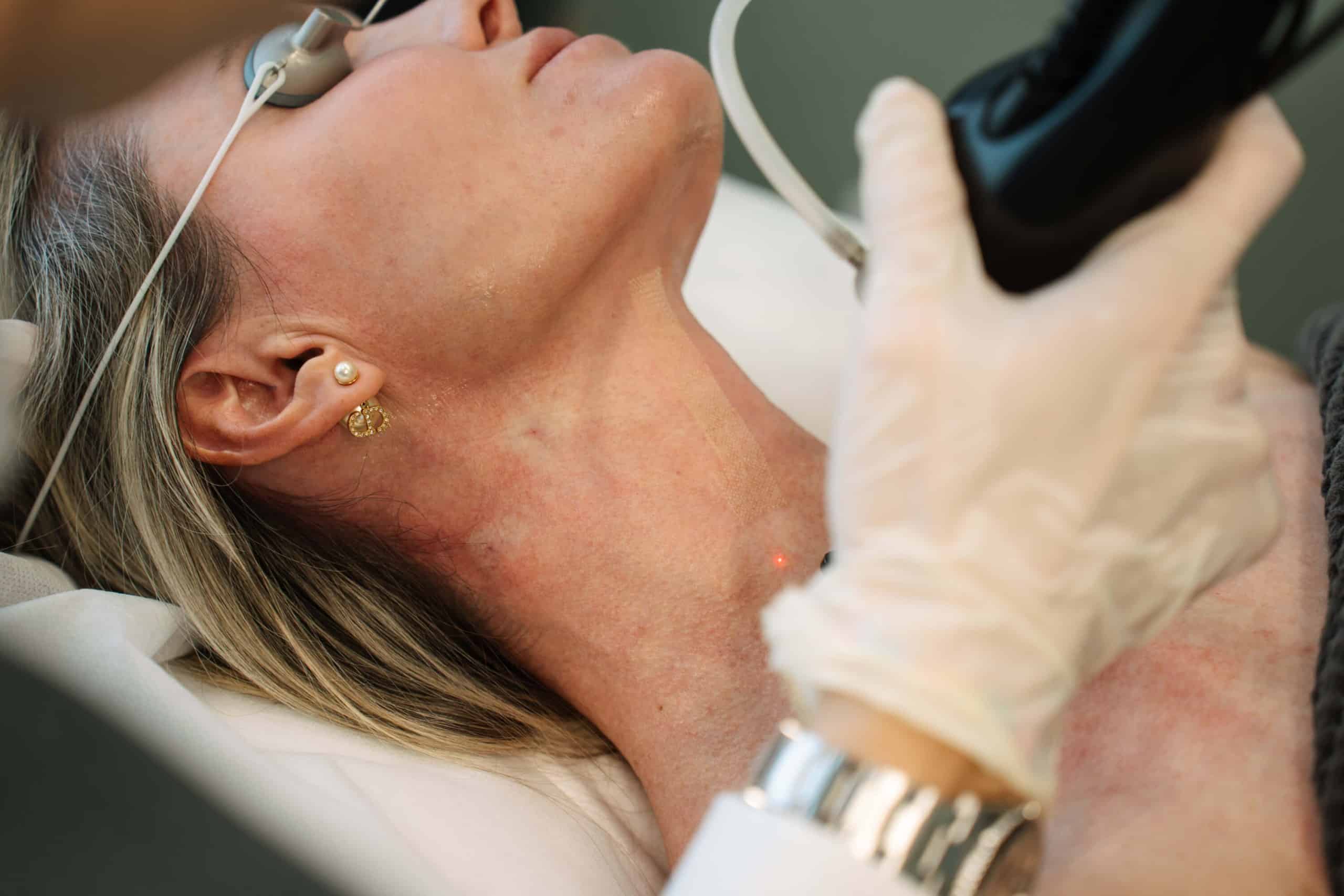
Non-Surgical Approaches to Ozempic Neck include skin tightening

Non-Surgical Approaches to Ozempic Neck

For people who feel that lifestyle measures alone are not enough, a consultation with a qualified medical professional can help determine whether aesthetic treatments may be appropriate. Any discussion should focus on suitability, timing, and long-term outcomes rather than quick fixes. A consultation for Ozempic neck and neck skin laxity after weight loss may include the following:

Not everyone experiencing Ozempic neck will require treatment. For some, reassurance and monitoring are appropriate, while others may benefit from a tailored, staged approach.

A professional consultation allows for:

  • Assessment of skin quality and volume loss
  • Understanding of medical history and aesthetic goals 
  • Discussion of realistic expectations
  • Consideration of risks, downtime, and maintenance
  • Planning treatments around weight stabilisation
The Contour Medical Team

About The Contour Medical Team

This article has been prepared for general informational purposes only. It does not constitute medical advice, diagnosis, or a treatment recommendation. Suitability for any cosmetic treatment varies between individuals and should be assessed in a 1:1 consultation with a qualified practitioner. If you have questions about your specific situation, we encourage you to book a consultation or contact our team directly.

Are You Ready?

Book Now

Ready to book? Still have questions? Leave us a message and we will get back to you as soon as possible.


or call us on 1300 233 803