
Skip to Content Skip to Navigation

The Blog Types of Laser Skin Treatments & What They Can Help With

In brief

  • There is no single “best” laser for clear skin – different types of laser skin treatment target different issues such as pigment, redness, scars, lines, laxity and texture
  • At Contour Clinics, resurfacing is usually done with CO2, Erbium or 1540 fractional lasers, while redness and pigment concerns may be treated with Laser Genesis, IPL and Q Switch devices in suitable people
  • Q Switch and other pigment-targeting devices lasers focus on pigment, while RF microneedling and some lasers focus more on collagen and firmness
  • Results are usually long term but not “permanent” – skin keeps ageing and sun exposure still matters, so maintenance and skin care are important
  • All laser and energy based treatments carry risks and downtime. Sensitive or darker skin types need extra care in device and setting selection.
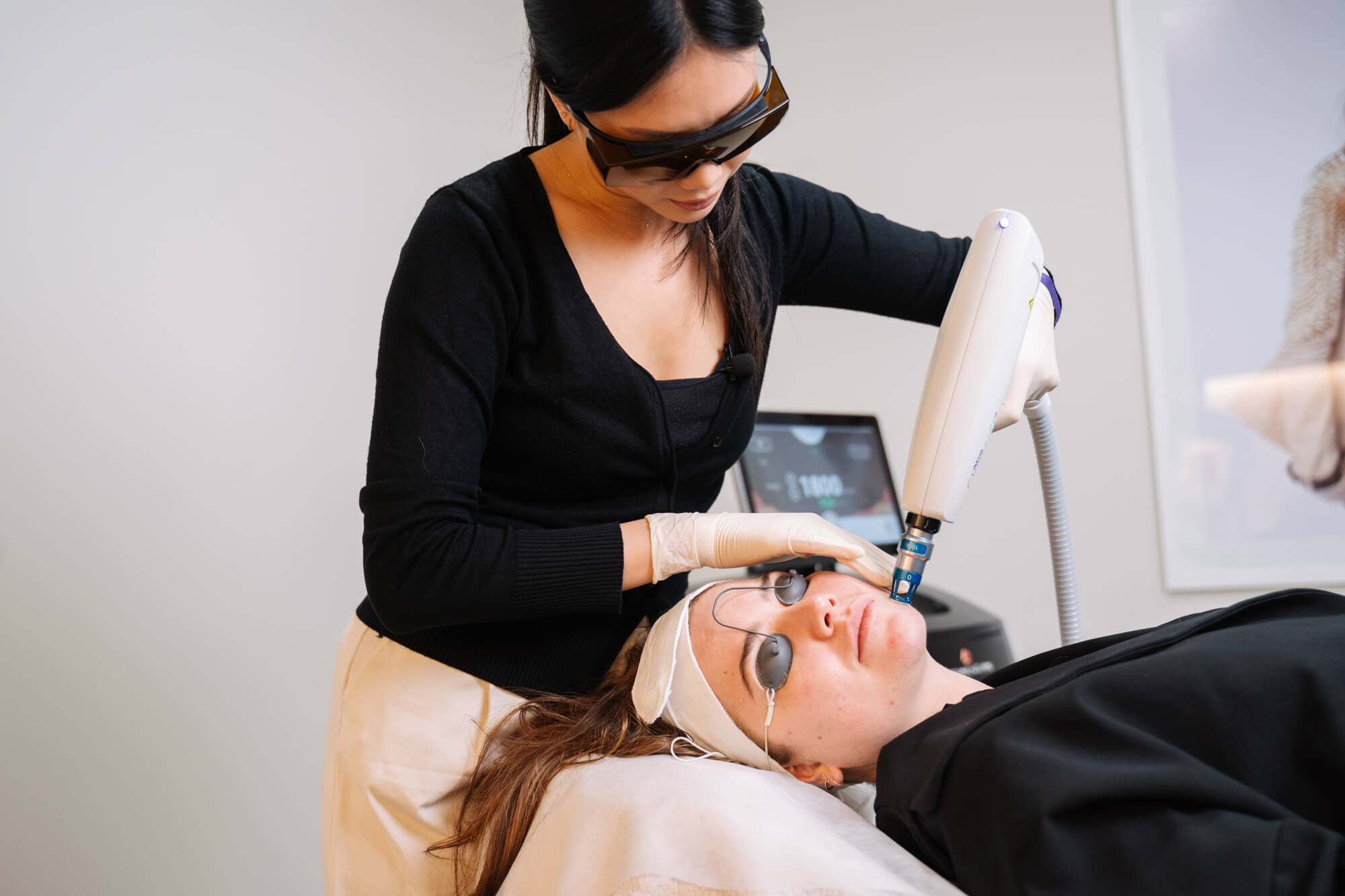
Types of Laser Skin Treatment explained by dermal practitioners and cosmetic doctors at Contour Clinics

A Word on Terminology

When you search for “types of laser skin treatment” or “best laser for clear skin”, it’s easy to run into confusing brand names and conflicting claims. CO2, Erbium, fractional, Q Switch, IPL, ablative vs non ablative – they all sound like medical tech talk, yet behave differently on skin. 

It’s easy to understand why a search and scroll can leave you feeling overwhelmed – and less informed than before you started. 

At Contour Clinics, we use a range of medical grade lasers and energy based devices in medically accredited clinics across Sydney and Brisbane. As cosmetic practitioners, our role is to match the right technology – or sometimes no tech at all – to your skin, goals, comfort and safety.

This guide details the main types of laser skin treatment we offer, what each can help with, and how they compare for healthier skin. It also answers common questions about results, risks, downtime, cost and preparation. It is general information only and does not replace an in-person consultation.

“Laser” is often used as an umbrella term. In our clinics, we may use lasers (focused light), IPL (broad-band light, not a laser), and RF microneedling (radiofrequency energy delivered through needles) depending on the concern and skin type.

How laser treatment can improve skin clarity

What Skin Conditions Can Laser Treatment Improve For Clearer Looking Skin?

“Clear skin” means different things to different people. Lasers and energy based treatments are usually considered for:

  • Pigmentation – brown sun spots, freckles and some other pigment issues
  • Redness – diffuse redness, visible capillaries and small vessels in suitable skin types
  • Acne scarring – especially boxcar and rolling scars
  • Texture and pores – roughness, enlarged pores, weathered or dull skin
  • Fine lines and wrinkles – particularly etched lines in the right candidate
  • Unwanted hair – which can contribute to shadowing and ingrown bumps

Not every concern is best treated with laser, and not all pigment or redness will respond to laser approaches. A consultation helps clarify whether lasers are appropriate for your skin concern, whether that’s for clarity, tone, texture, laxity, freckles, hair or general complexion appearance.

Types of laser skin treatments at Contour Clinics Sydney and Brisbane

Types Of Laser Skin Treatment We Offer At Contour Clinics

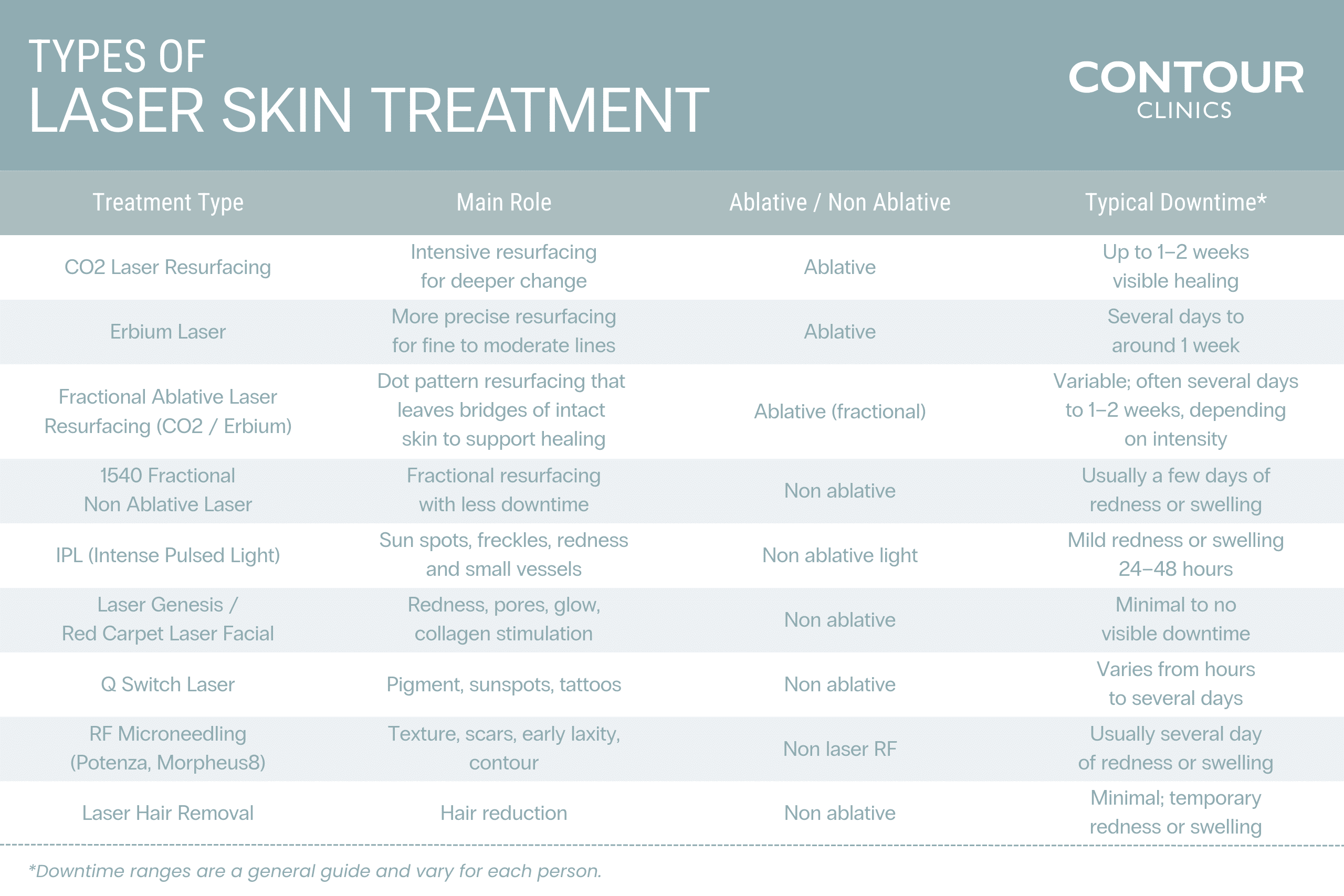
Use this table to understand the kinds of laser treatments we offer, what they can target and expected downtime.

What Is The Best Laser Procedure For Me?

What Is The Best Laser Procedure For Me?

There is no single “best” laser that suits everyone. Instead, we think in terms of best procedure for a specific concern:

Pigment and sun damage

  • Try: IPL, Q Switch laser, sometimes fractional lasers or RF microneedling in a doctor-led treatment plan
  • Aim: fade spots, even tone, reduce contrast

Redness and visible vessels

  • Try: Laser Genesis, Red Carpet Laser Facial, IPL for suitable skin types
  • Aim: soften background redness and small surface vessels

Acne scars and texture

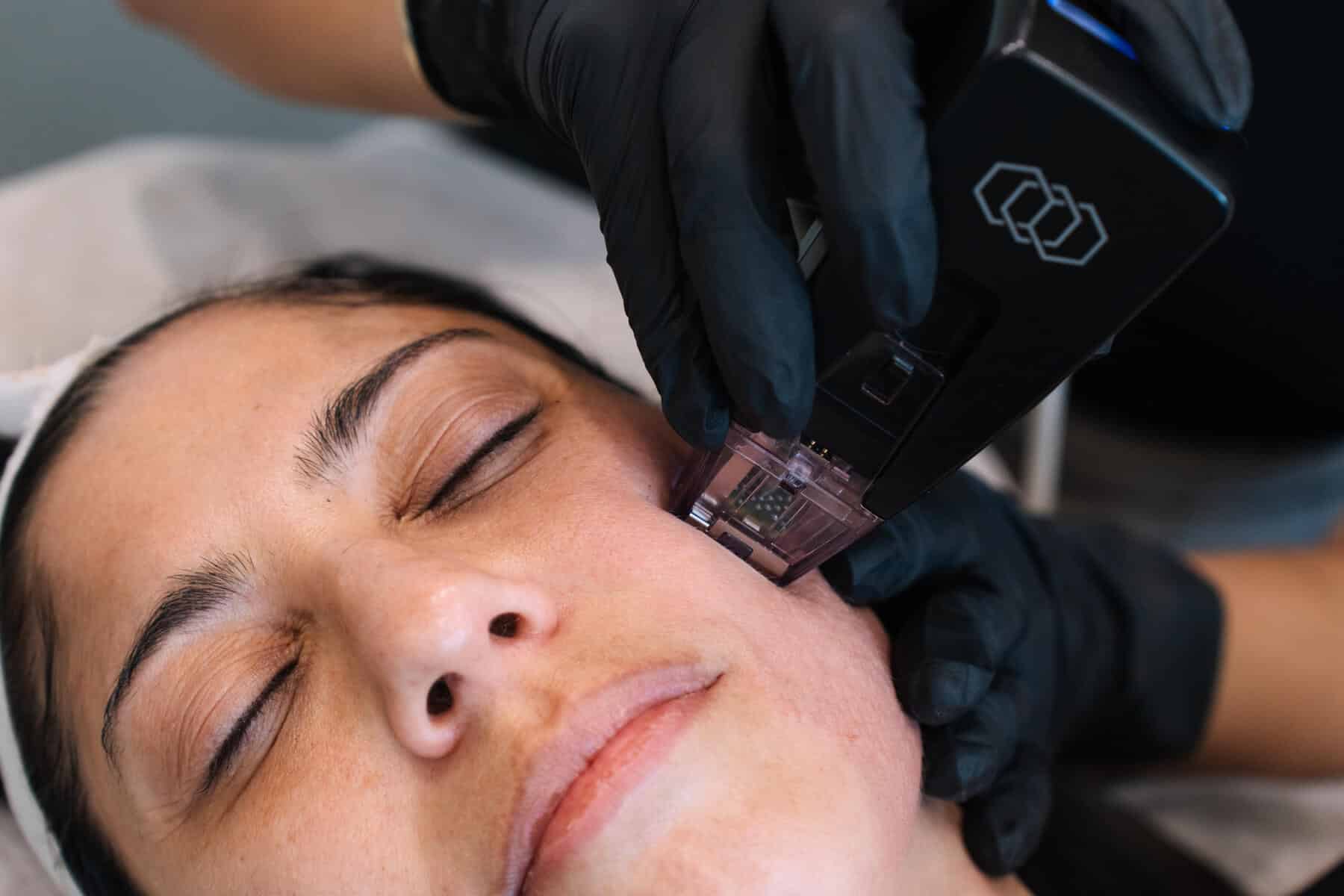
  • Try: fractional resurfacing (CO2, Erbium, 1540), RF microneedling (Potenza, Morpheus8)
  • Aim: soften edges, blend texture, reduce shadowing

Lines and wrinkles

  • Try: CO2 or Erbium for deeper lines, 1540 or RF microneedling for earlier changes
  • Aim: improve surface quality and support collagen

For many people, the recommended path to healthier looking skin is not one single laser session, but a staged plan that combines:

  • Targeted treatments for pigment and redness
  • Resurfacing or RF for scars and texture
  • Consistent skin care and sun protection

The most suitable procedure is the one that fits your skin type, concerns, medical history and downtime, not the one that sounds best online. It’s still worth educating yourself online with credible resources, but a medical consultation with a cosmetic practitioner is always recommended. 

How Co2 Resurfacing Laser works

Resurfacing Lasers - CO2, Erbium And 1540 Fractional

CO2 laser is an ablative fractional laser that removes micro columns of surface skin and heats the deeper layer. It’s one of the most intensive resurfacing options we offer. 

How it behaves in clinic

  • Stronger protocols are usually reserved for thicker, more sun damaged skin with pronounced texture or wrinkles
  • Some forms of hyperpigmentation can improve because surface damage and textural shadows are reduced, but CO2 is not a first line treatment for all pigment conditions
  • Often used when someone is ready to accept visible downtime for a more intensive resurfacing effect

Typically considered for:

  • Deeper, etched wrinkles around the mouth and eyes in suitable candidates
  • More pronounced acne scarring
  • Marked sun damage and weathered skin

CO2 is not used for every person that asks for rejuvenated skin. For some, it would be excessive, risky or not aligned with their downtime and pigment risk.

Erbium laser for skin resurfacing at Contour Clinics

Erbium Laser For More Precise Resurfacing

Erbium is also an ablative laser, but often used for more controlled, sometimes more superficial resurfacing than CO2.

Typically considered for:

  • Fine to moderate lines rather than very deep wrinkles
  • Superficial scars and texture irregularities
  • Part of a staged resurfacing approach where we want a measured step rather than a very aggressive treatment
1540 Fractional Laser in Sydney and Brisbane at Contour Clinics

1540 Fractional Non Ablative Laser For Gradual Resurfacing

1540 fractional is a non ablative laser that delivers columns of heat into the dermis while keeping the surface largely intact.

Typically considered for:

  • Fine lines and early wrinkling
  • Mild to moderate acne scarring
  • Texture and pores in people who cannot take longer downtime
  • Some types of pigment as part of a broader plan

For people with skin where texture and mild scarring are a concern, 1540 fractional often sits between light chemical peels and deeper ablative resurfacing.

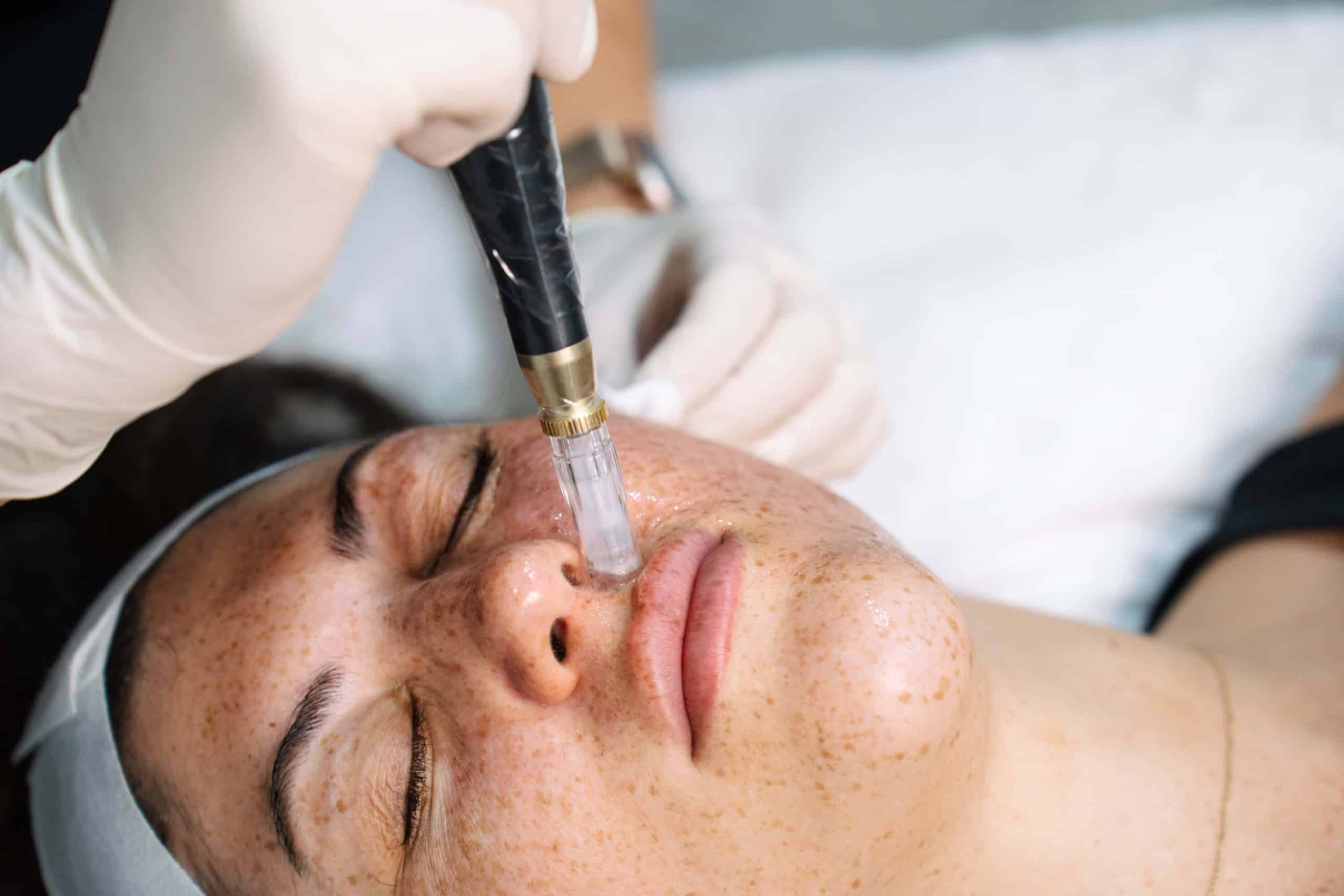
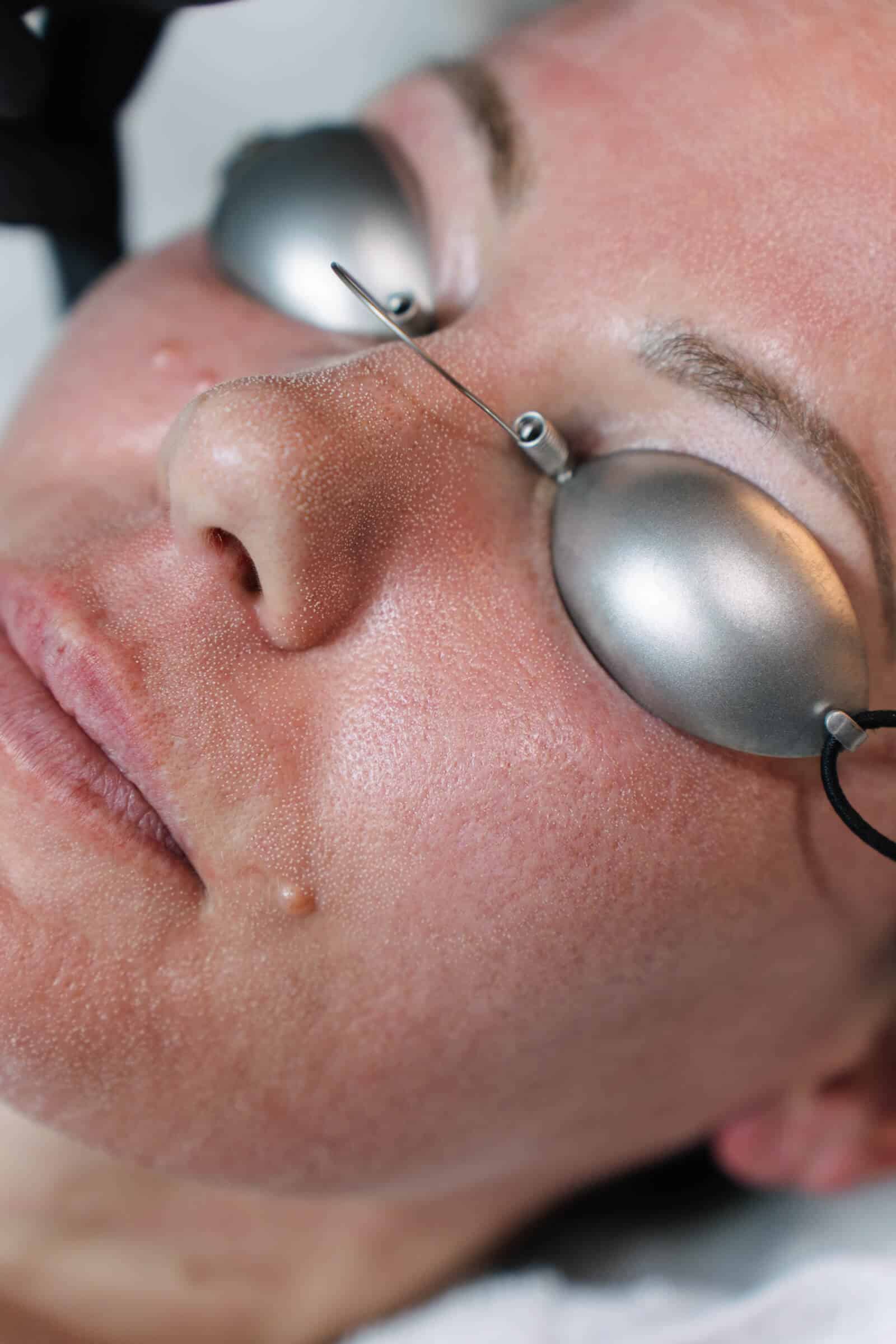
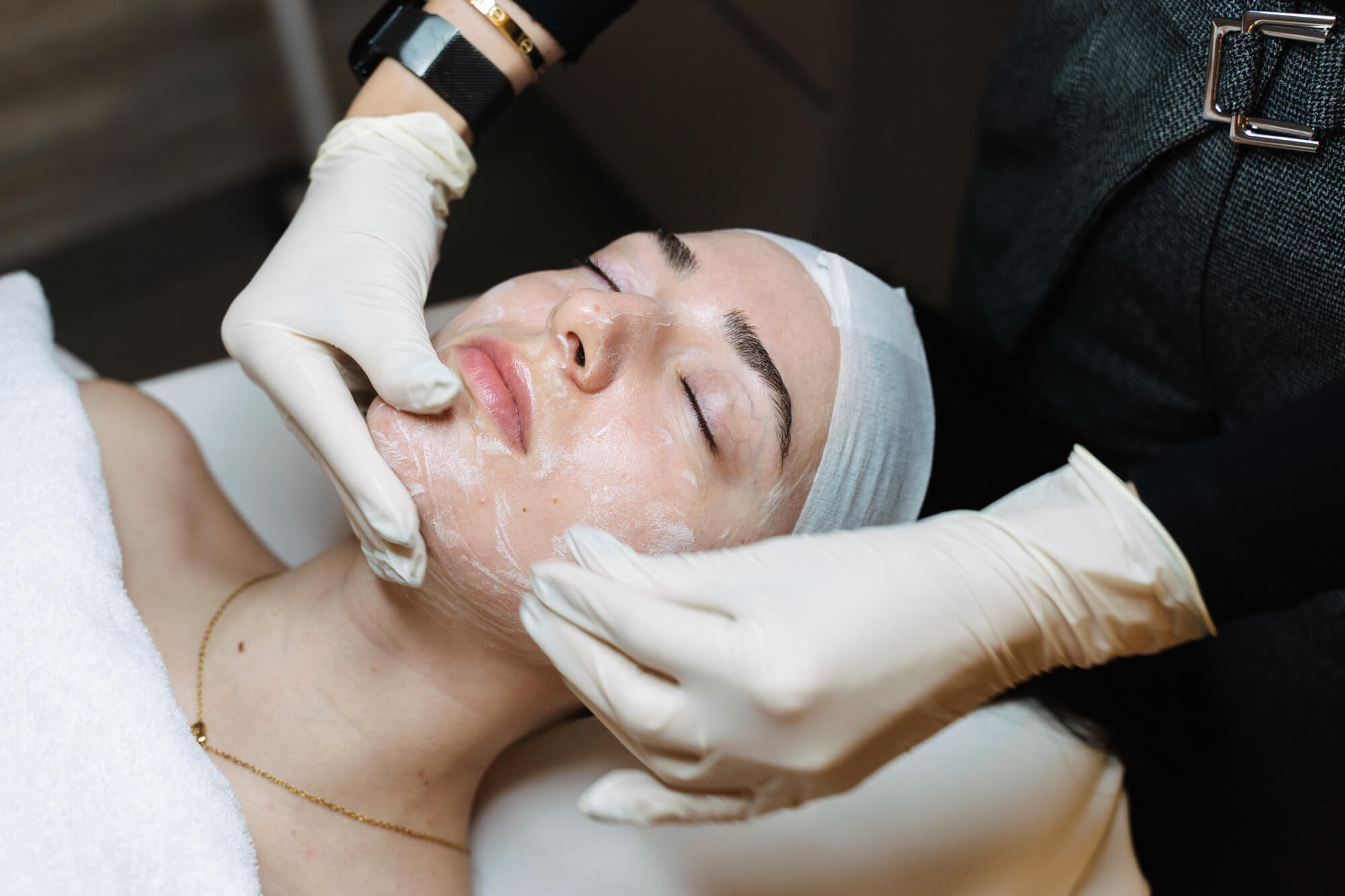
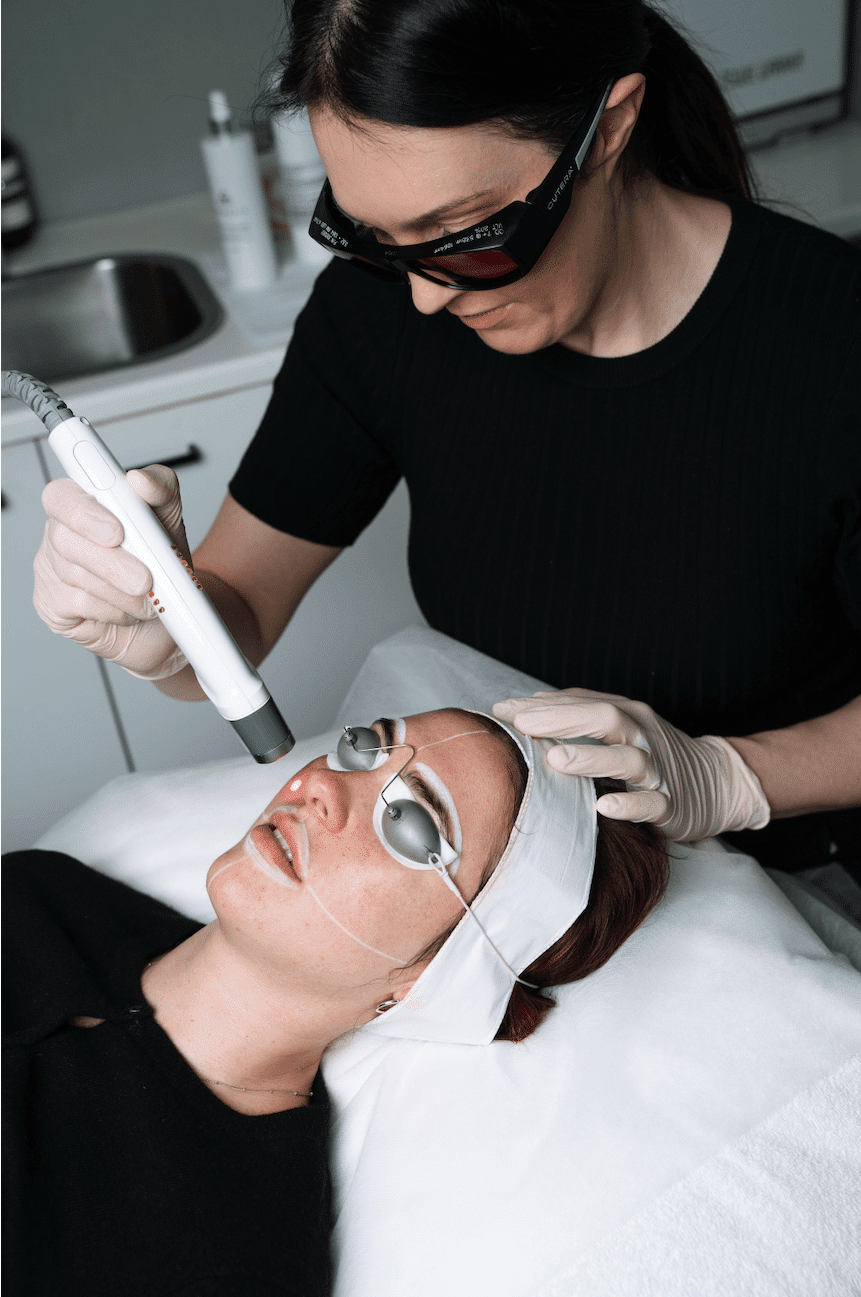
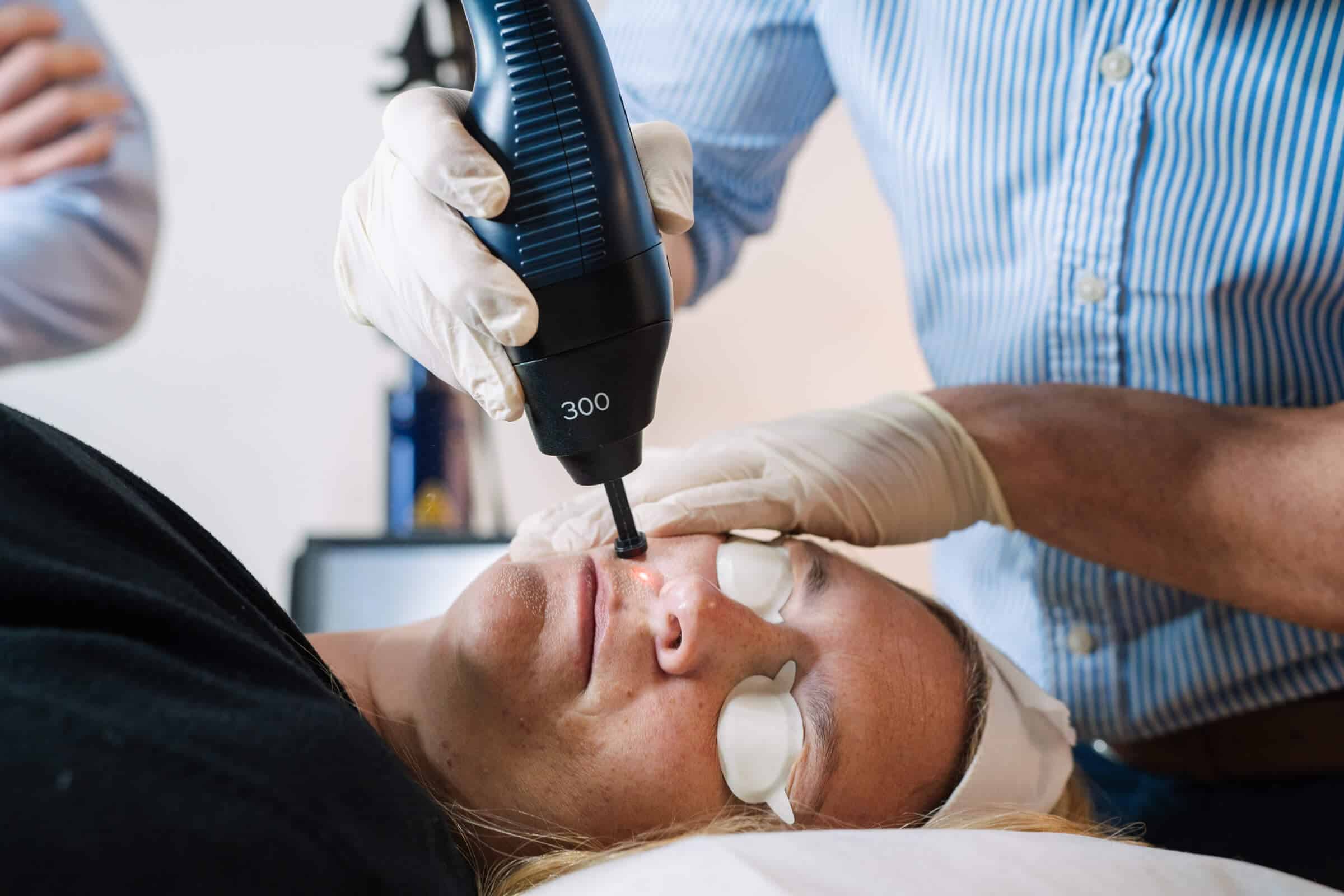
Close up image showing a woman's face during Co2 laser skin treatment at Contour Clinics

Fractional CO2 Laser For Hyperpigmentation And Skin Texture

Fractional CO2 is sometimes discussed as a solution for hyperpigmentation and texture together. In reality:

  • It can help texture-related hyperpigmentation, where darkening is linked to scarring, roughness or long term sun damage
  • It is not usually the first choice for active inflammatory pigment conditions or more complex pigment disorders, especially in darker skin types
  • The risk of post inflammatory hyperpigmentation (PIH) after strong CO2 must be weighed carefully, particularly in medium to dark skin

At Contour Clinics, fractional CO2 for pigment and texture is usually considered only after a detailed assessment, and often after gentler pigment focused treatments have been discussed. CO2 may not be recommended if pigment risk is too high.

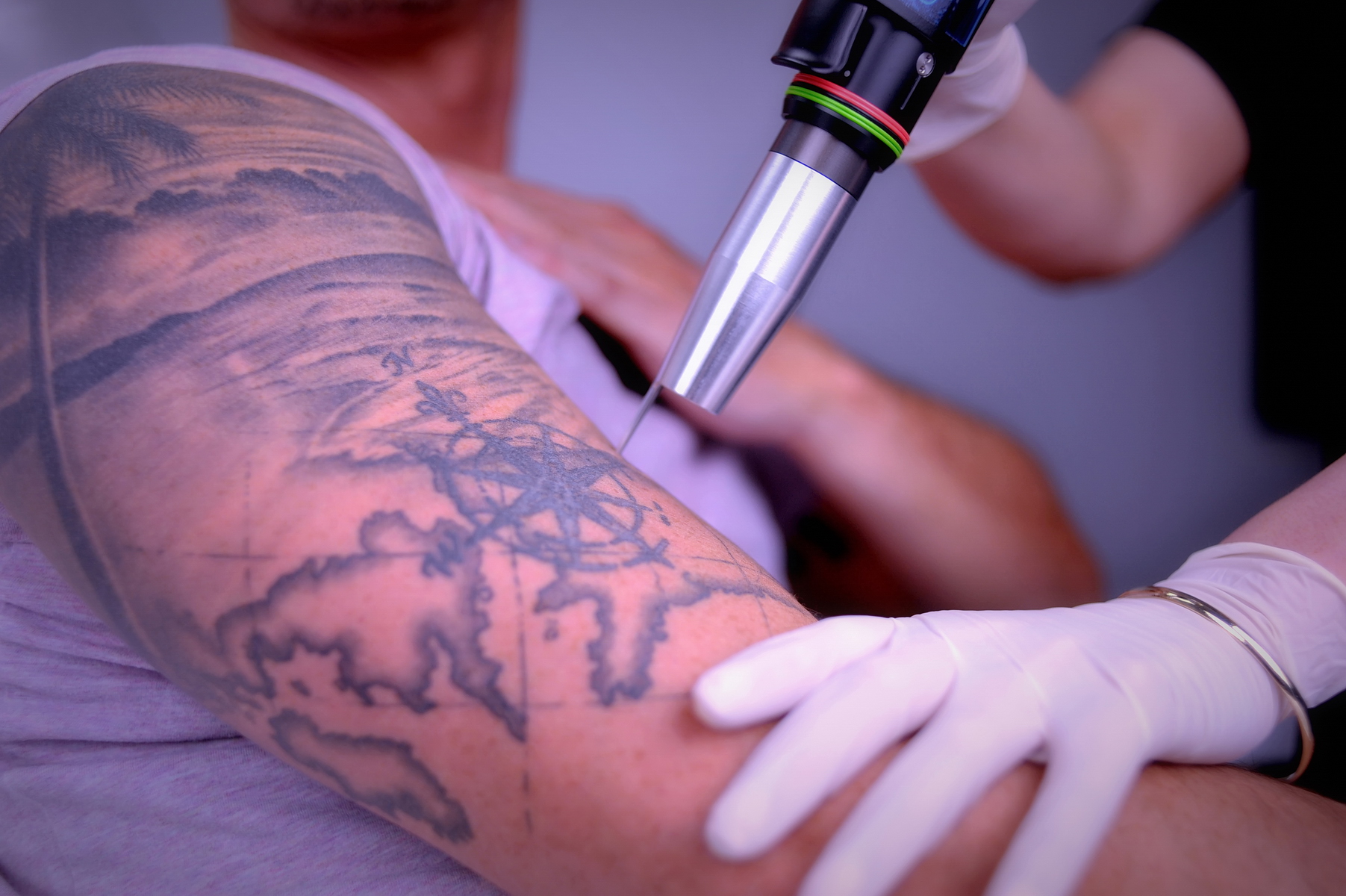
Tattoo removal with laser at Contour Clinics in Sydney and Brisbane

Pico And Q Switch Lasers For Pigmentation And Tattoos

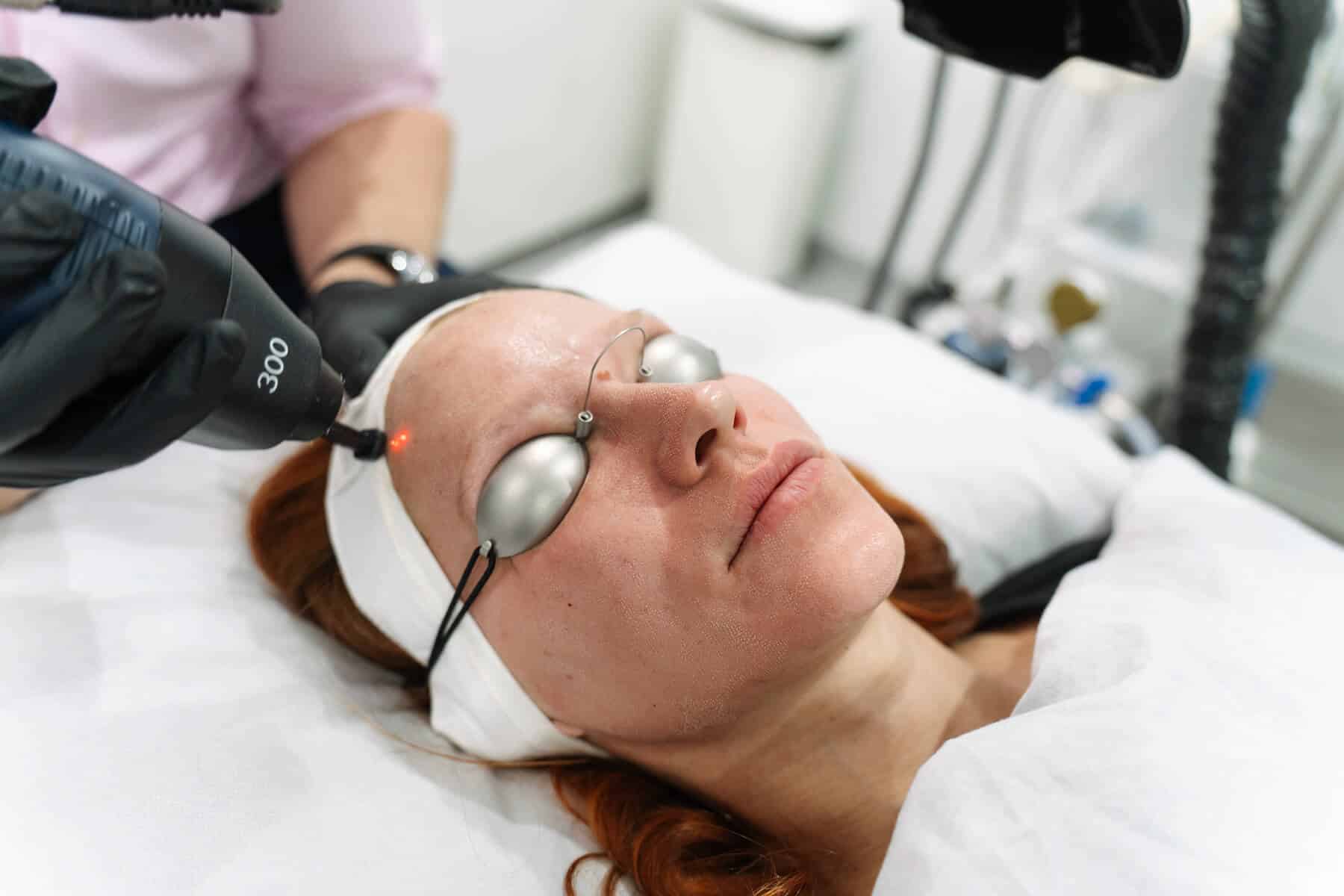
PicoSure is a well known brand of picosecond laser. While we do not use a specific PicoSure-branded device, we use Q Switch lasers that work on similar principles – very short, high energy pulses designed to target pigment.

How Q Switch type lasers behave:

  • Deliver energy in extremely short bursts, which helps break up pigment and some tattoo inks
  • Surrounding tissue is relatively spared compared with more prolonged heat based approaches
  • Can be used for stubborn sun spots, certain types of uneven tone and tattoos in suitable candidates

Their primary role is pigment correction, not overall resurfacing. Any improvement in texture is usually secondary, through better tone and reduced contrast, rather than a full resurfacing effect.

Dermamelan Peel in Sydney by dermal therapists at Contour Clinics

Laser Vs Chemical Peel For Acne Scars And Clearer Skin

Both lasers and chemical peels can play a role in improving acne scarring and clarity, but they behave differently.

Laser resurfacing and RF microneedling

  • Strengths: depth control, ability to target deeper scars, strong collagen stimulation
  • Typical options: CO2, Erbium, 1540 fractional, Potenza, Morpheus8
  • Often used for: rolling and boxcar scars, overall texture and pores

Chemical peels

  • Strengths: surface exfoliation, tone and brightness, some improvement in very superficial scars
  • Typical options: superficial to medium depth peels, often in a series
  • Often used for: post acne pigment, mild texture and clogged pores

For acne scars, peels alone are usually not enough for significant textural change. But they can be an excellent complementary treatment to laser and RF when planned correctly.

In many cases, a staged approach is recommended:

  • Calm active acne first
  • Use pigment friendly options such as peels or IPL in appropriate skin types
  • Introduce fractional laser or RF microneedling when the skin is stable and the risk profile is acceptable

Laser Treatment Options In Sensitive Skin Types

Sensitive skin can still benefit from laser and energy based treatments, but the plan needs extra consideration. We may:

  • Favour gentler options first, such as Laser Genesis, Red Carpet Laser Facial or low intensity fractional treatments
  • Avoid or defer strong ablative resurfacing, especially if you have a history of dermatitis, rosacea, PIH or poor wound healing
  • Use longer gaps between treatments so the skin can fully recover
  • Simplify skin care and avoid strong actives before and after sessions
  • Perform test spots in some cases before committing to a full treatment area

In some people with very reactive, medically complex or barrier-impaired skin, the safest option may be to avoid laser and focus on medical skin care, prescription treatments or co-management with a dermatologist.

How long do laser skin treatment result last

How Long Do Laser Skin Treatment Results Last?

How long results last depends on:

  • The type and strength of treatment
  • Your baseline skin and the severity of concerns
  • Ongoing sun exposure, smoking status and general health
  • Daily skin care and maintenance

Very broadly:

Pigment and redness treatments (IPL, Q Switch, Laser Genesis)

Results can last many months or longer. But new sun exposure, hormonal changes or underlying conditions can cause pigment or redness to recur. Maintenance sessions are often suggested, especially in sunny climates.

Resurfacing and RF for scars and texture (CO2, Erbium, 1540, RF microneedling)

Structural improvements in texture and scarring can be long lasting, because scar remodelling is a physical change. Skin will still continue to age, and new scars or pigment can form, so results are not “immune” to future events.

For most people, thinking of results as long term but not permanent, with sensible maintenance and lifestyle, is more realistic than expecting a once only, permanent fix.

What Are The Side Effects Of Laser Skin Resurfacing? Explained by dermal therapists at Contour Clinics

What Are The Side Effects Of Laser Skin Resurfacing?

All medical procedures carry risks. For resurfacing lasers and stronger energy based treatments, potential side effects may include:

  • Redness, swelling and discomfort
  • Temporary darkening or lightening of the skin
  • Crusting, peeling and flaking during healing
  • Acne or milia flares
  • Infection if the skin barrier is compromised and aftercare is not followed

Less common but more serious outcomes can include:

  • Prolonged redness or sensitivity
  • Post inflammatory hyperpigmentation or hypopigmentation, particularly in darker or tanned skin
  • Scarring in rare cases, especially if there is picking, rubbing or unmanaged infection

Risk is usually higher with stronger ablative treatments and in certain skin types or medical histories. A detailed consultation and consent process is essential before any resurfacing.

Downtime And Recovery After Laser Skin Treatment explained by cosmetic doctors at Contour Clinics Sydney and Brisbane

Downtime And Recovery After Laser Skin Treatment

Life is busy and downtime is a practical concern for most people, especially if you’re planning laser treatment around a big event. As a general guide, allow these timeframes to recover from laser skin treatment:

  • CO2 and Erbium Resurfacing
    • Often 1-2 weeks of visible healing for stronger protocols
    • Oozing, crusting and peeling are expected early on, followed by pinkness
  • 1540 Fractional and RF Microneedling
    • Often a few days of redness and swelling, with possible roughness or tiny pinpoint marks
  • IPL, Laser Genesis, Red Carpet, Q Switch
    • Usually mild redness or warmth for hours to a couple of days
    • Brown spots may darken before flaking after IPL or some Q Switch treatments

Your Contour Clinics practitioner will provide an outline of expected recovery for your specific treatment, along with clear aftercare. And if you have an important event coming up, let your practitioner know in your consultation so we can factor that into your treatment plan. 

Cosmetic, Skin & Laser Clinic Newtown

Average Cost Of Laser Skin Resurfacing

Costs for laser skin treatments at Contour Clinics vary based on:

  • The area treated (for example full face versus a small region)
  • The intensity and type of device used (CO2, Erbium, 1540, RF)
  • The number of sessions in your plan
  • Whether other treatments are integrated, such as peels, RF microneedling or other cosmetic treatments 

Ablative resurfacing sessions such as CO2 or Erbium typically have a higher per session fee but fewer total sessions, while non ablative and RF plans may involve more sessions at a lower per visit cost.

For accurate, current pricing, refer to our Prices, speak directly with our team or tap the Chat button in the bottom right hand corner of your screen. 

How To Prepare For Laser Skin Treatment

Preparation helps reduce side effects and support a smoother recovery. At your consultation, you will also have time to ask questions, clarify expectations and make sure our recommended plan feels realistic for your lifestyle, budget and commitments.

Your personalised prep instructions may include:

  • Avoiding tanning and using strict sun protection in the weeks leading up to treatment
  • Pausing certain topical products, such as strong retinoids or exfoliants, as advised
  • Stopping or adjusting some medications after discussion with your doctor, where appropriate
  • Starting antiviral medication if you have a history of cold sores and are having perioral or facial laser
  • Stopping smoking and vaping, where possible, to support healing
  • Organising time off work or rescheduling social events in line with expected downtime
Post Laser Skin Care Routine For Maintaining Clearer Looking Skin

Post-Laser Skin Care Routine For Maintaining Clearer Looking Skin

Aftercare and long term skin care heavily influence both recovery and how long results last. Common elements include:

  • Immediate aftercare
    • Gentle cleansing and regular application of a barrier supportive moisturiser or occlusive ointment, depending on the treatment
    • Cool compresses for comfort in the first 24-48 hours if advised
    • Avoiding makeup and active products until the skin barrier has adequately recovered
  • Sun protection
    • Daily broad spectrum SPF, wide brimmed hats and shade, especially in the weeks after treatment
    • Ongoing sun protection to reduce recurrence of pigment and support long term results

Maintenance skin care

    • Simple, non irritating cleansers and moisturisers as a base
    • Introduced or reintroduced actives such as vitamin C or retinoids only when your practitioner advises it is safe
    • Avoiding harsh scrubs or at home devices that could irritate healing skin

We also discuss realistic maintenance options, which may include lighter laser or IPL sessions, gentle peels or skin care reviews at intervals that suit your skin and budget.

How LED Light Therapy Membership Works at Contour Clinics

How We Determine Which Laser Skin Treatment Is Right for You

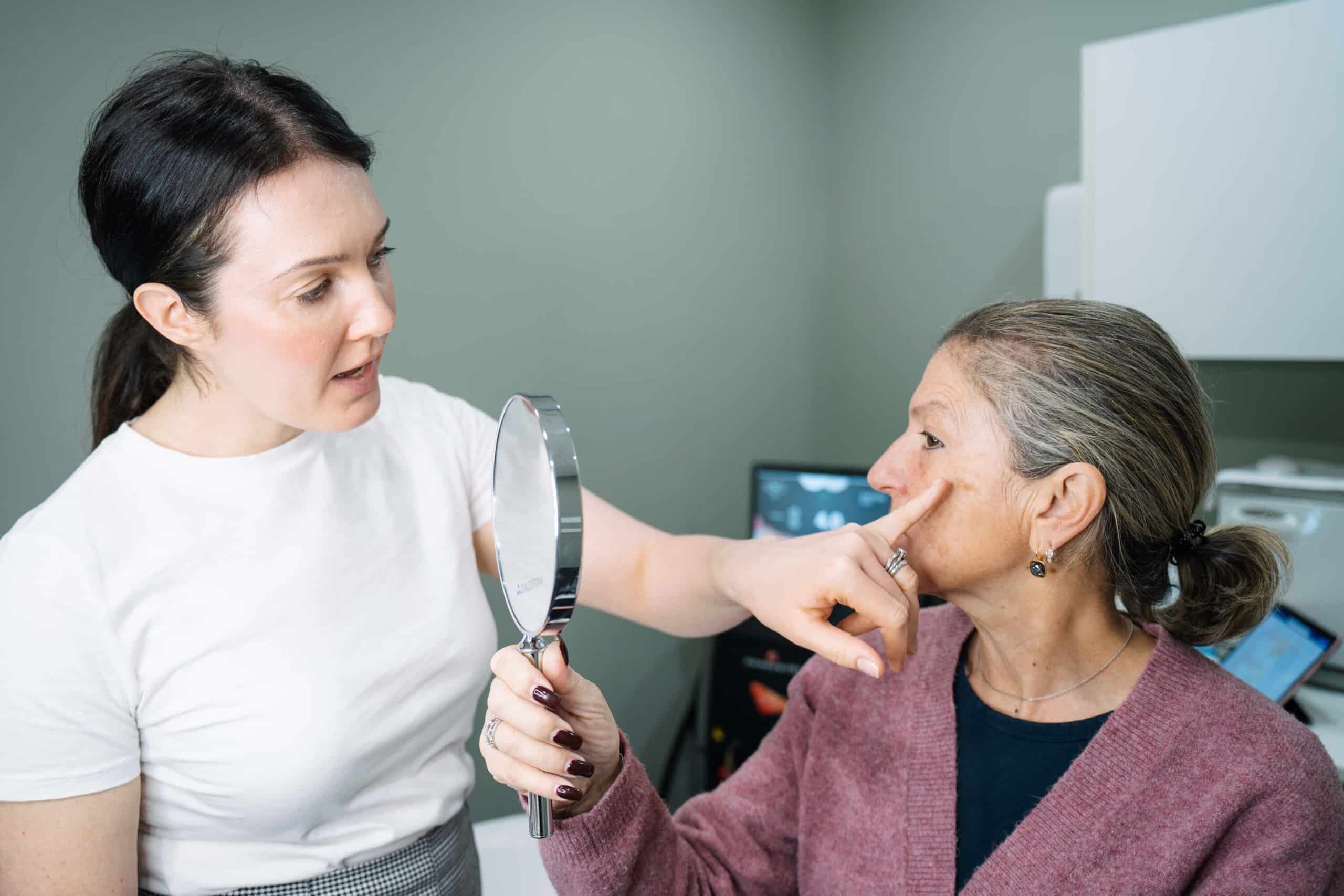
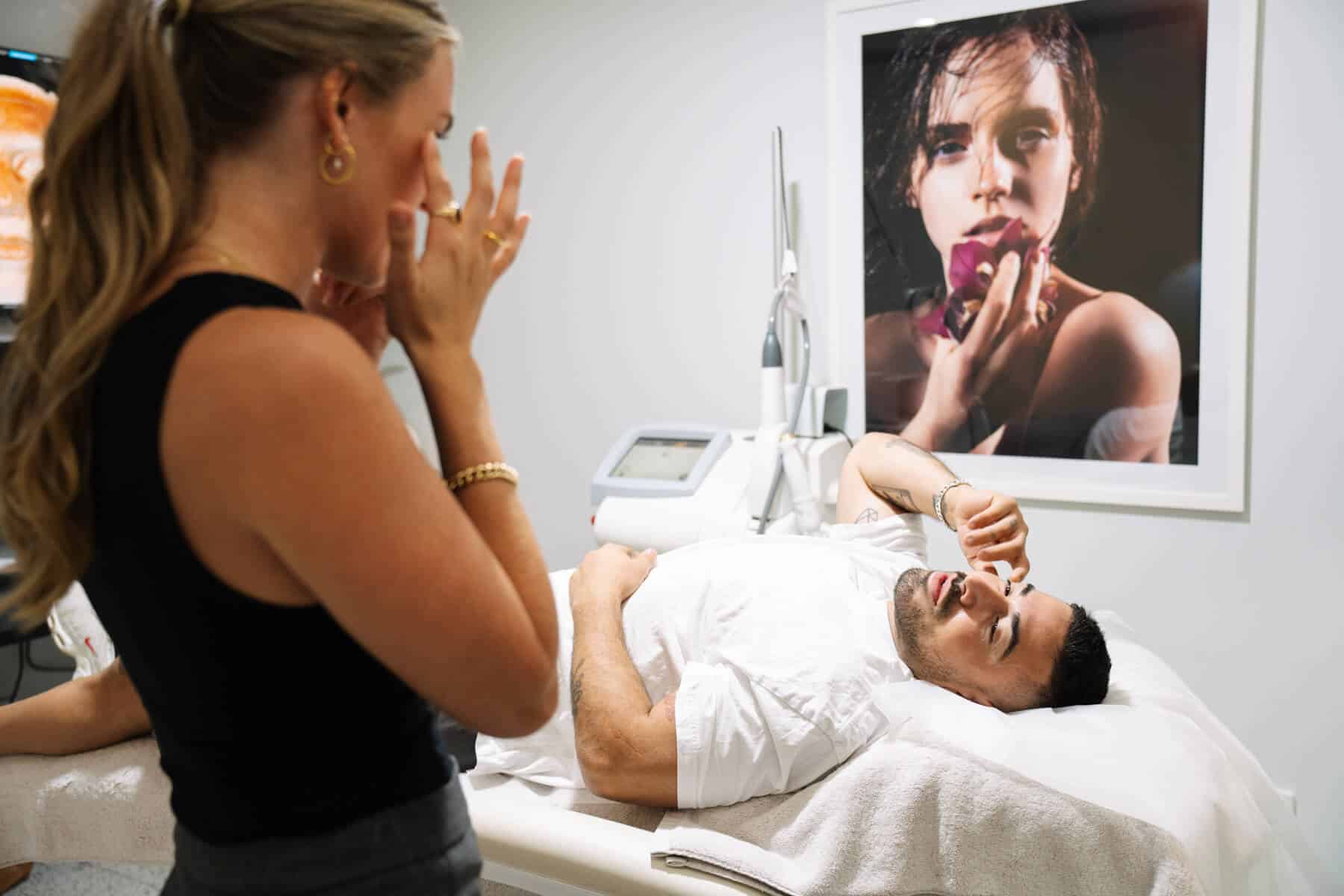
With so many laser options available, you don’t need to come in knowing exactly which device you’d like. That’s what the consultation is for and is designed to: 

  • Understand what “healthier skin” means for you
  • Identify which underlying issues are present (for example pigment, redness, scars, texture, hair)
  • Match concerns to treatments that are appropriate for your skin type, risk profile and downtime
  • Be honest if laser or energy based procedures are not the right choice

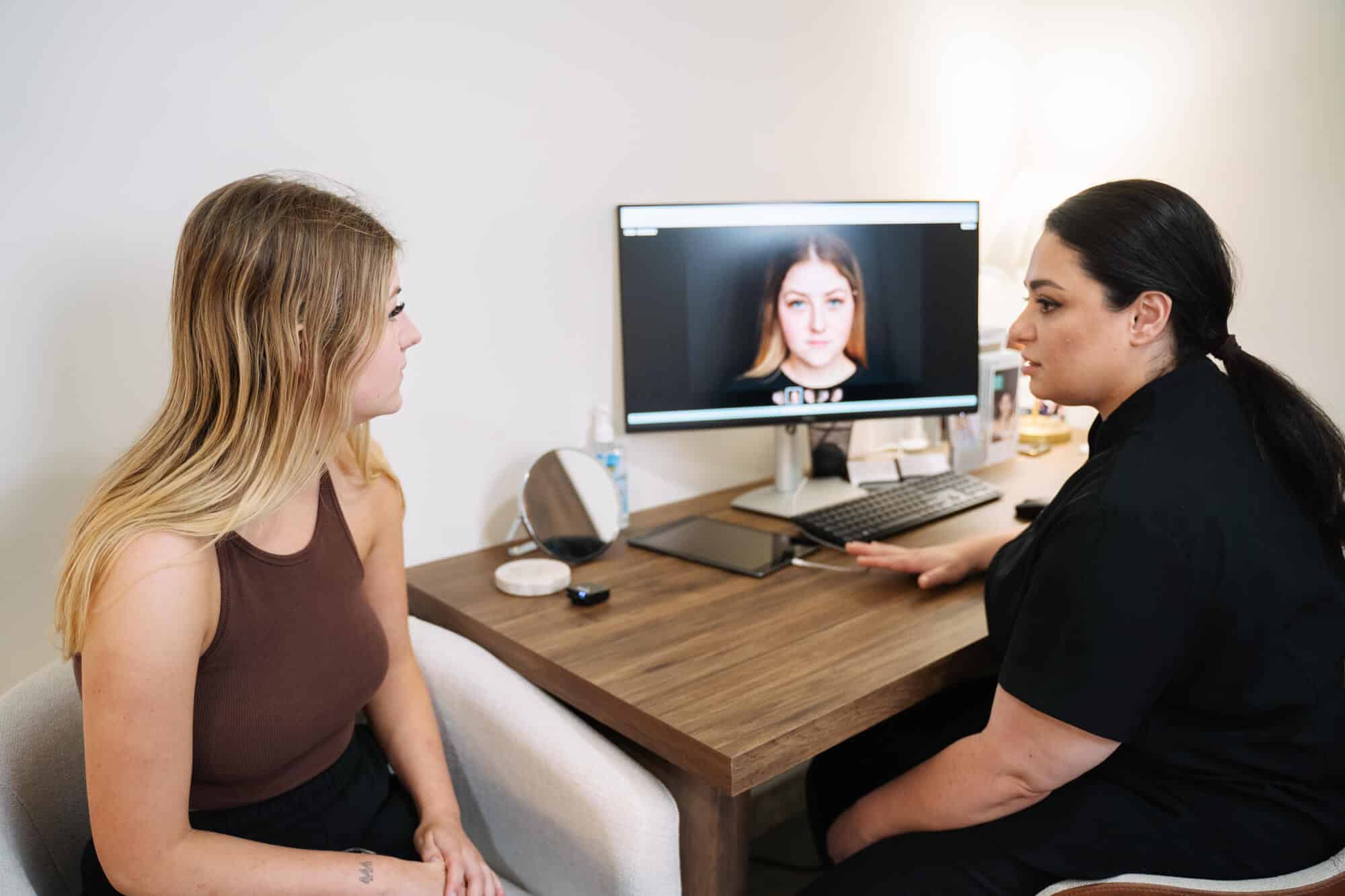
A typical consultation at Contour Clinics includes:

  • Comprehensive medical and skin history
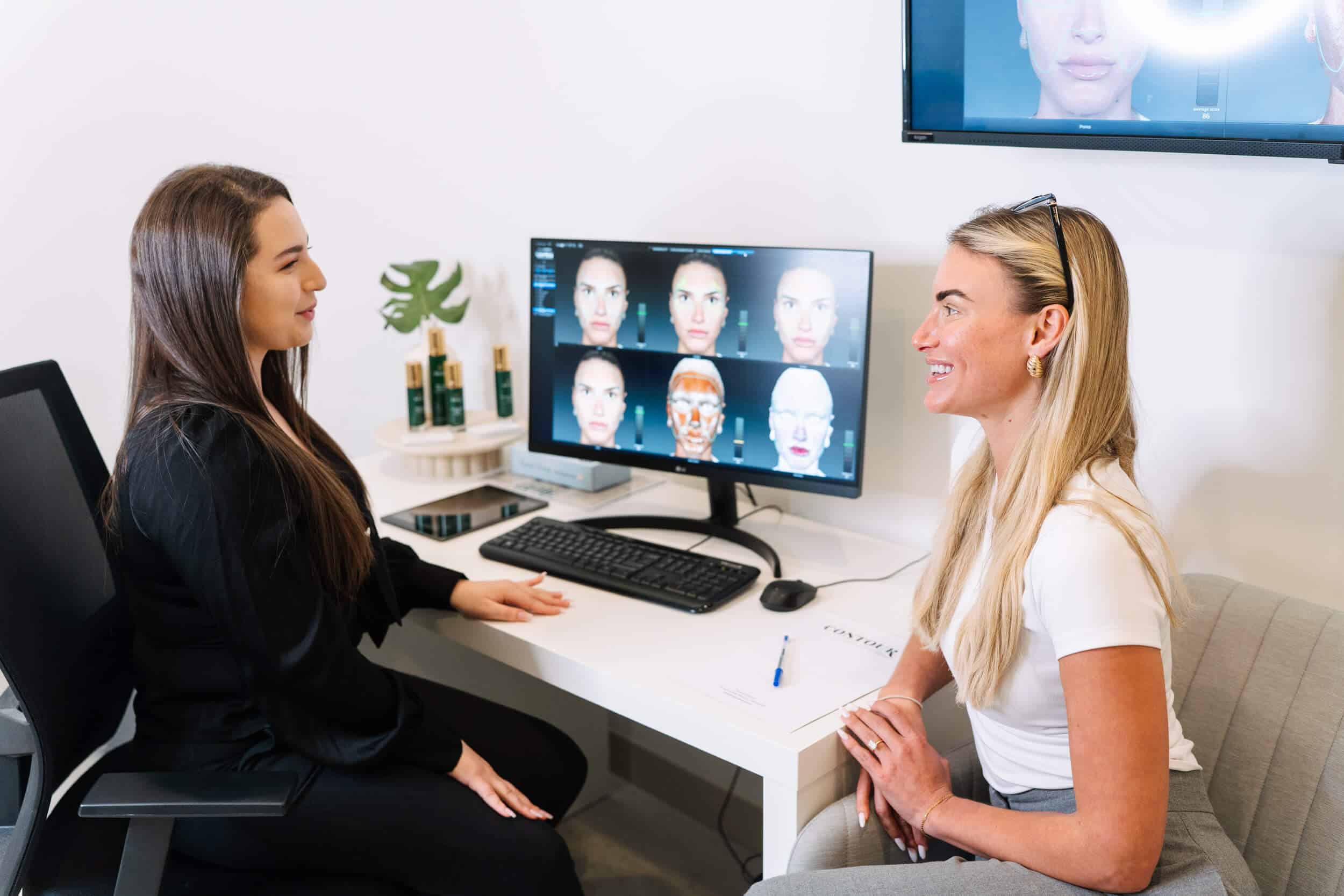
  • Clinical examination and 3D imaging and photography to track your progress
  • Discussion of priorities, downtime and budget
  • A doctor led or medically supervised plan that may include laser, RF, skin care or alternative treatments
  • Clear explanation of risks, benefits, alternatives and what happens if you choose to do nothing

If you are considering laser or energy based treatments for healthier skin, book an obligation free consultation at one of our Sydney or Brisbane clinics.

Results may vary between individuals and depend on personal goals, baseline characteristics, and responses to treatment. A consultation with a qualified medical professional is recommended to determine if these treatments are suitable for you.

The Contour Medical Team

About The Contour Medical Team

This article has been prepared for general informational purposes only. It does not constitute medical advice, diagnosis, or a treatment recommendation. Suitability for any cosmetic treatment varies between individuals and should be assessed in a 1:1 consultation with a qualified practitioner. If you have questions about your specific situation, we encourage you to book a consultation or contact our team directly.

Are You Ready?

Book Now

Ready to book? Still have questions? Leave us a message and we will get back to you as soon as possible.


or call us on 1300 233 803