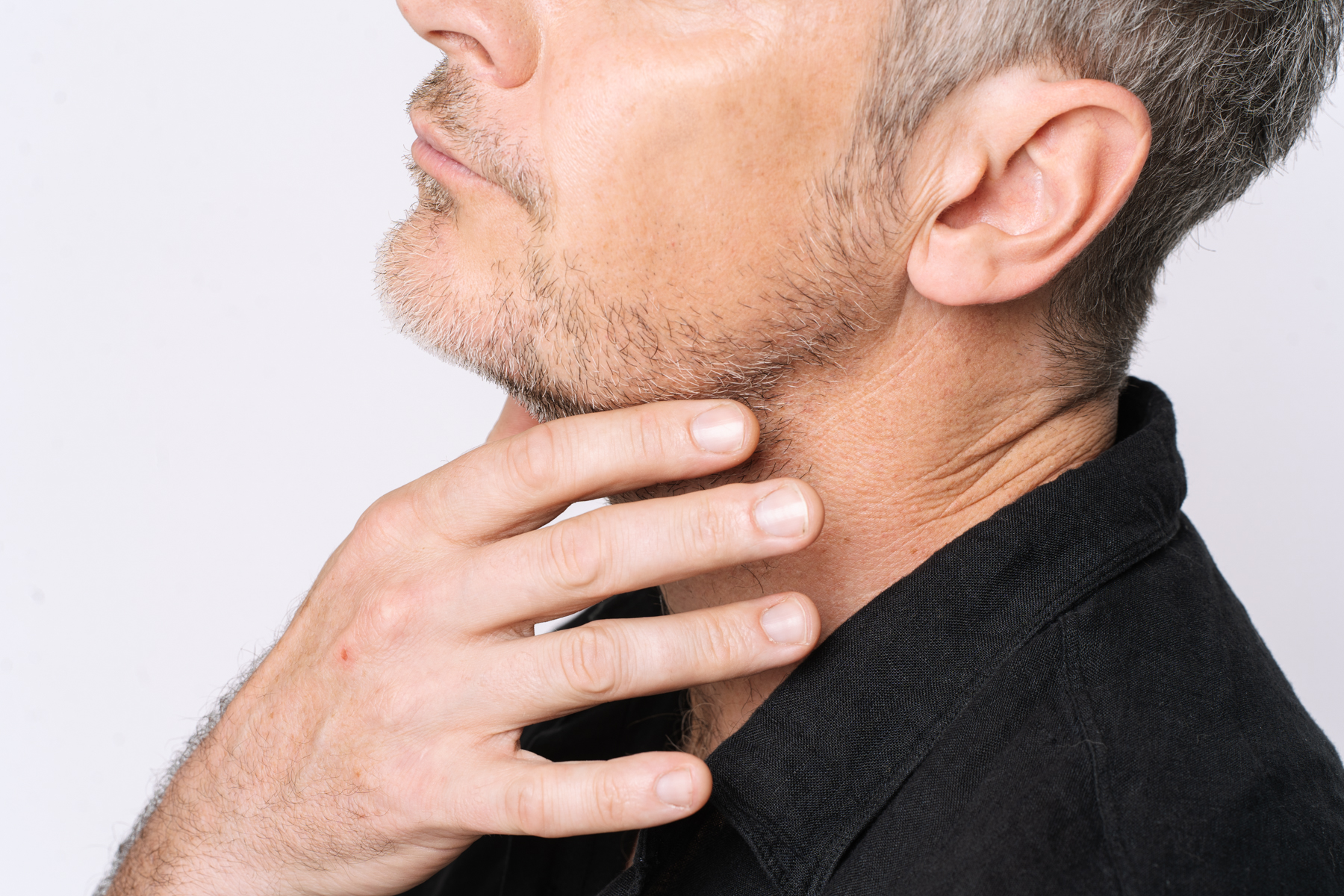
What is TMJ, and why does it cause jaw pain or tension?
TMJ refers to the jaw joint (temporomandibular joint). Discomfort can relate to the joint itself, the surrounding muscles, bite factors, stress-related clenching, or a combination. A consultation helps clarify likely contributors.
What are common symptoms of TMJ dysfunction?
Symptoms can include jaw tension, facial discomfort, headaches, clicking or popping, limited opening, ear-related sensations, and teeth grinding (bruxism). Symptoms vary between individuals.
Are TMJ treatments painful?
Most patients find cosmetic TMJ treatments very manageable, describing the sensation as a brief and mild pinch. To keep you comfortable, our doctors can apply numbing cream to the treatment area beforehand. If you’re anxious or concerned about discomfort, additional comfort measures such as stress balls or nitrous oxide (happy gas) are also available if clinically appropriate. Any minor tenderness after treatment typically resolves quickly.
Are there any side effects of TMJ treatments?
All cosmetic treatments carry some risks and potential side effects. During your consultation at Contour Clinics, your doctor will carefully discuss these with you in detail.
Some potential side effects associated with treatments around the jaw muscles include:
- Temporary reduction in jaw muscle strength, noticeable primarily when eating firm or chewy foods.
- Subtle cosmetic changes in lower face appearance, due to relaxation and reduced activity in the jaw muscles.
- Mild swelling, redness, or tenderness around the treated areas.
- Brief and mild headaches in some cases.
- A very low risk of infection, which we aim to minimise through strict hygiene and careful clinical techniques.
Your experienced cosmetic doctor at Contour Clinics will thoroughly assess your individual suitability, clearly discuss potential benefits and realistic expectations, and address any associated risks to ensure you feel fully informed.
How do I know if my jaw pain is TMJ or something else?
Jaw discomfort can have several causes. A medical history, symptom review, and anatomy-led assessment can help determine whether TMJ-related factors are likely and whether referral or investigation is appropriate.