
Skip to Content Skip to Navigation

The Blog Skin Age Calculator

Find out if your skin is older — or younger — than your years.

How old is your skin, really? While your passport might say one thing, your skin could be telling a very different story. Factors like sun exposure, diet, exercise, skincare habits, and even lifestyle choices all play a role in how youthful, or prematurely aged, your skin appears.

That’s why the experts at Contour Clinics have created our Skin Age Calculator: a simple, science-based tool that looks beyond birthdays to reveal your true skin age.

Consider it a playful check-in that shows which habits are helping your skin shine, and which might be fast-tracking the clock.

The good news is that no matter what number you get, there are plenty of ways to support your skin’s health and vitality. Simple changes, like protecting yourself from the sun, eating a nutrient-rich diet, staying active, and following a consistent skincare routine, can help your skin look and feel its best for years to come.

Discover Your True Skin Age

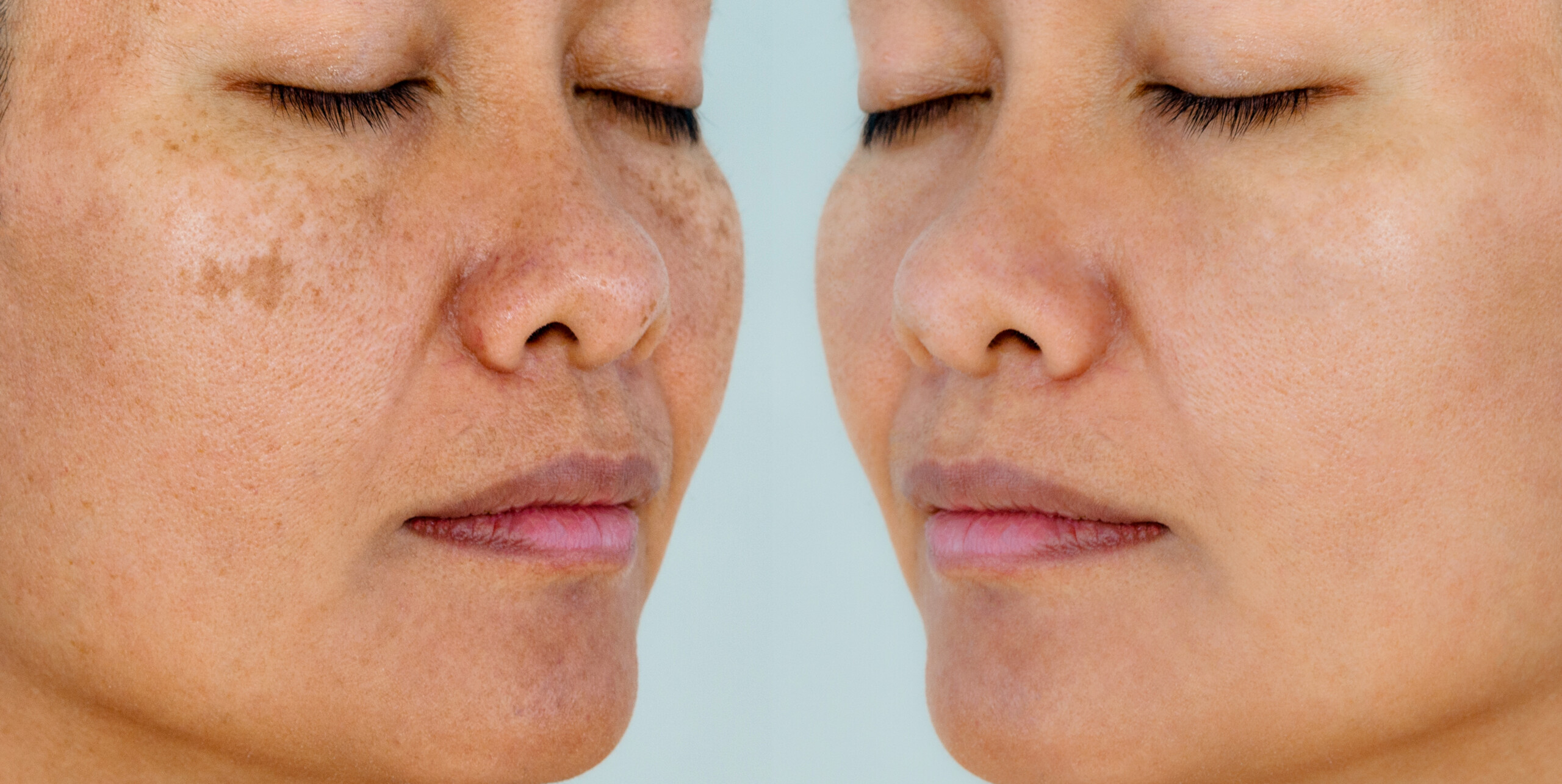
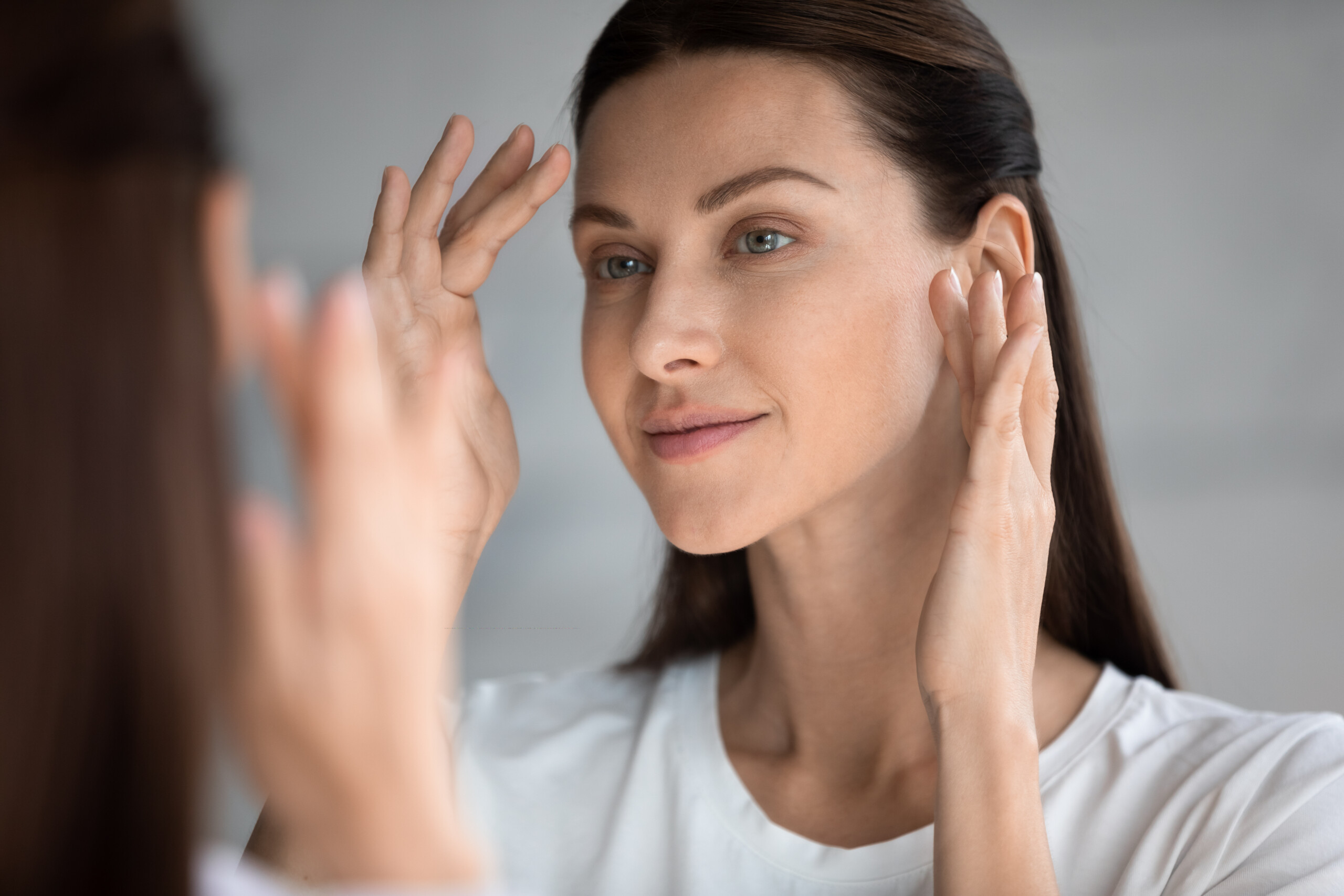
Skincare. Woman with beautiful face touching healthy facial skin

Now that you’ve used the Skin Age Calculator, you have a snapshot of your skin’s current state.

But numbers alone don’t tell the full story. Your results reflect the combined impact of lifestyle choices, skincare habits, and environmental factors over time.

To help you understand what’s driving your score, and what you can do to support healthier, more resilient skin, we’ve created this quick, science-backed report. Think of it as your personalised guide to ageing well, with practical tips you can start using today.

Hyalase filler dissolving reversal sydney brisbane Hyaluronidase

Lifestyle Habits That Affect Skin Ageing

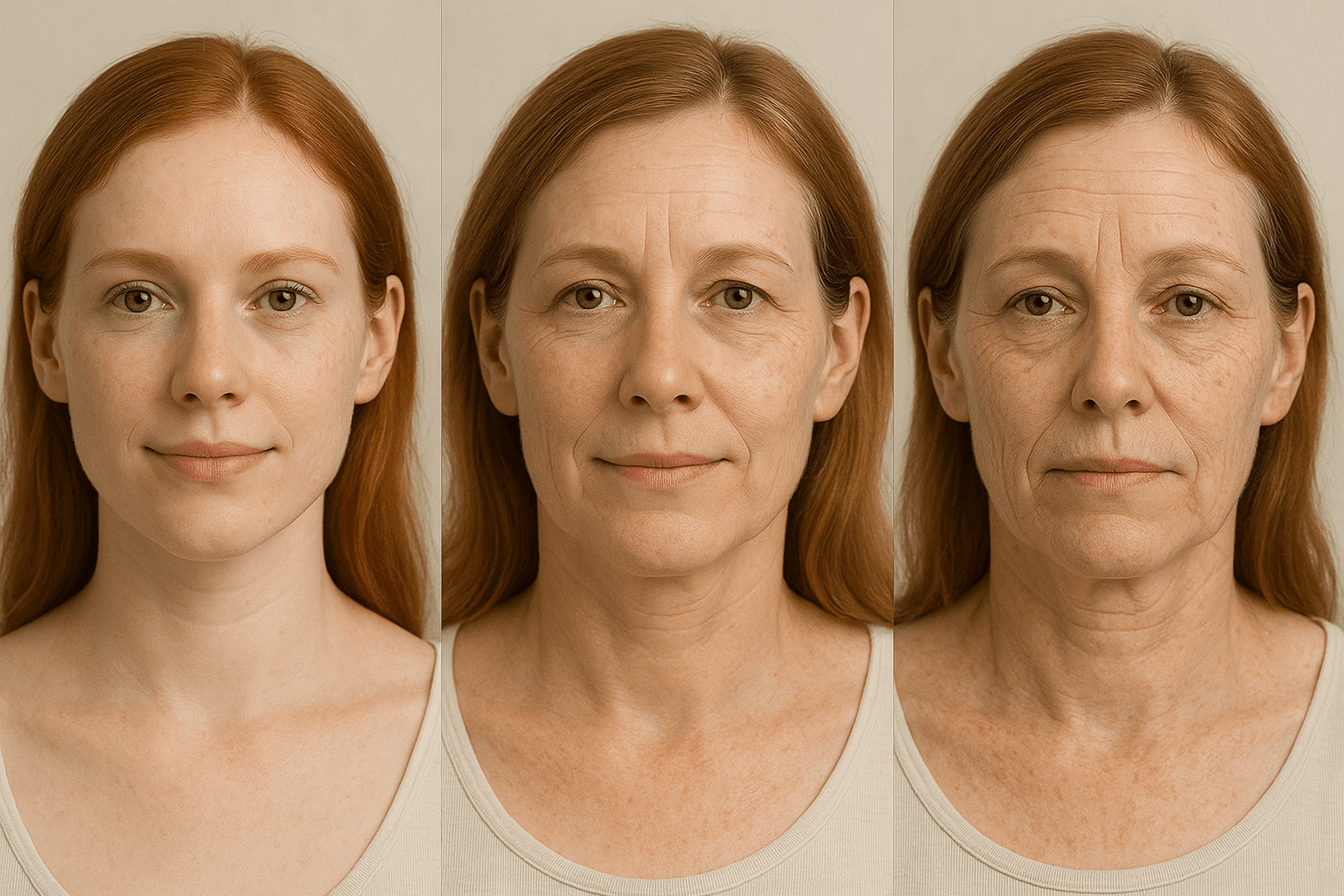
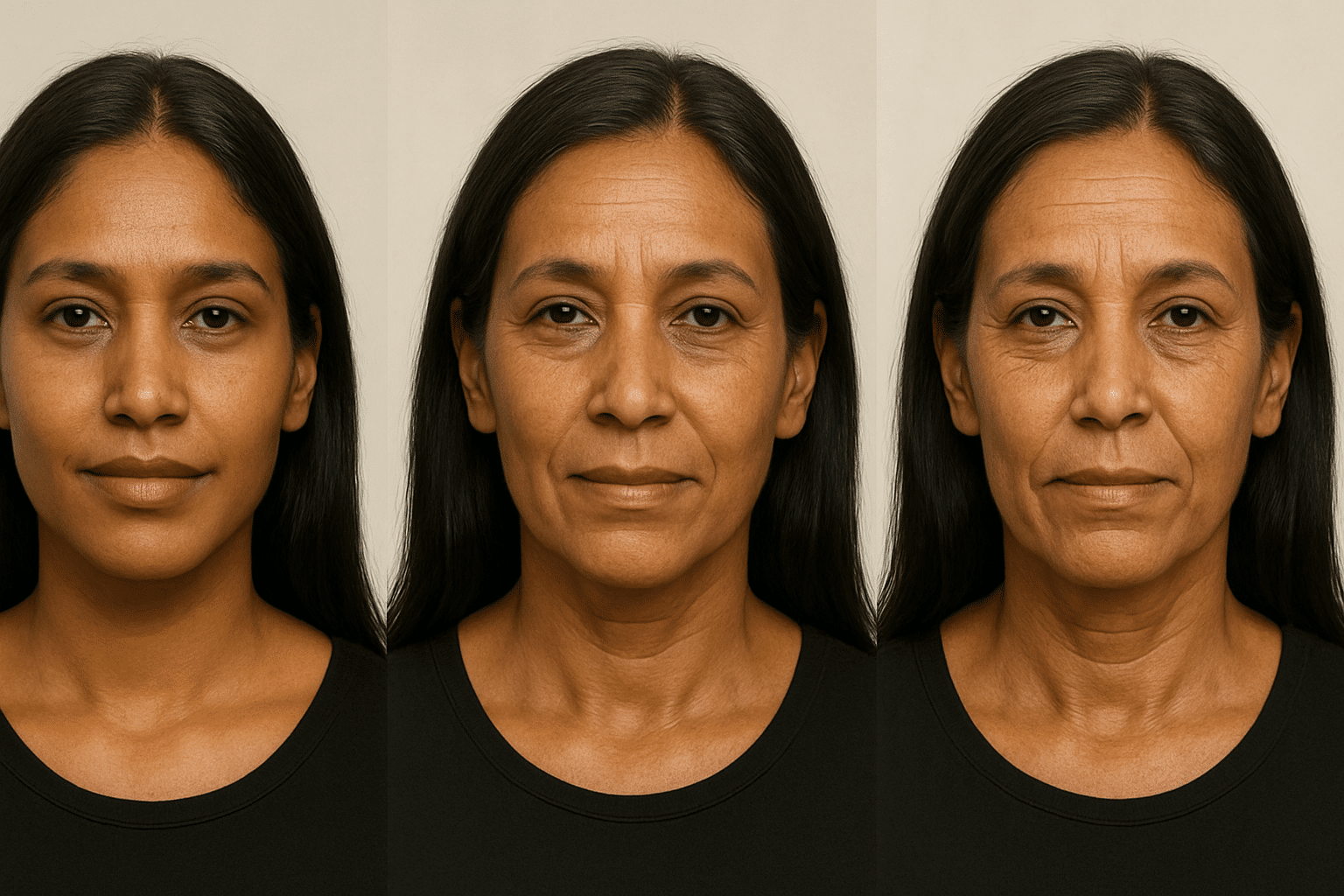
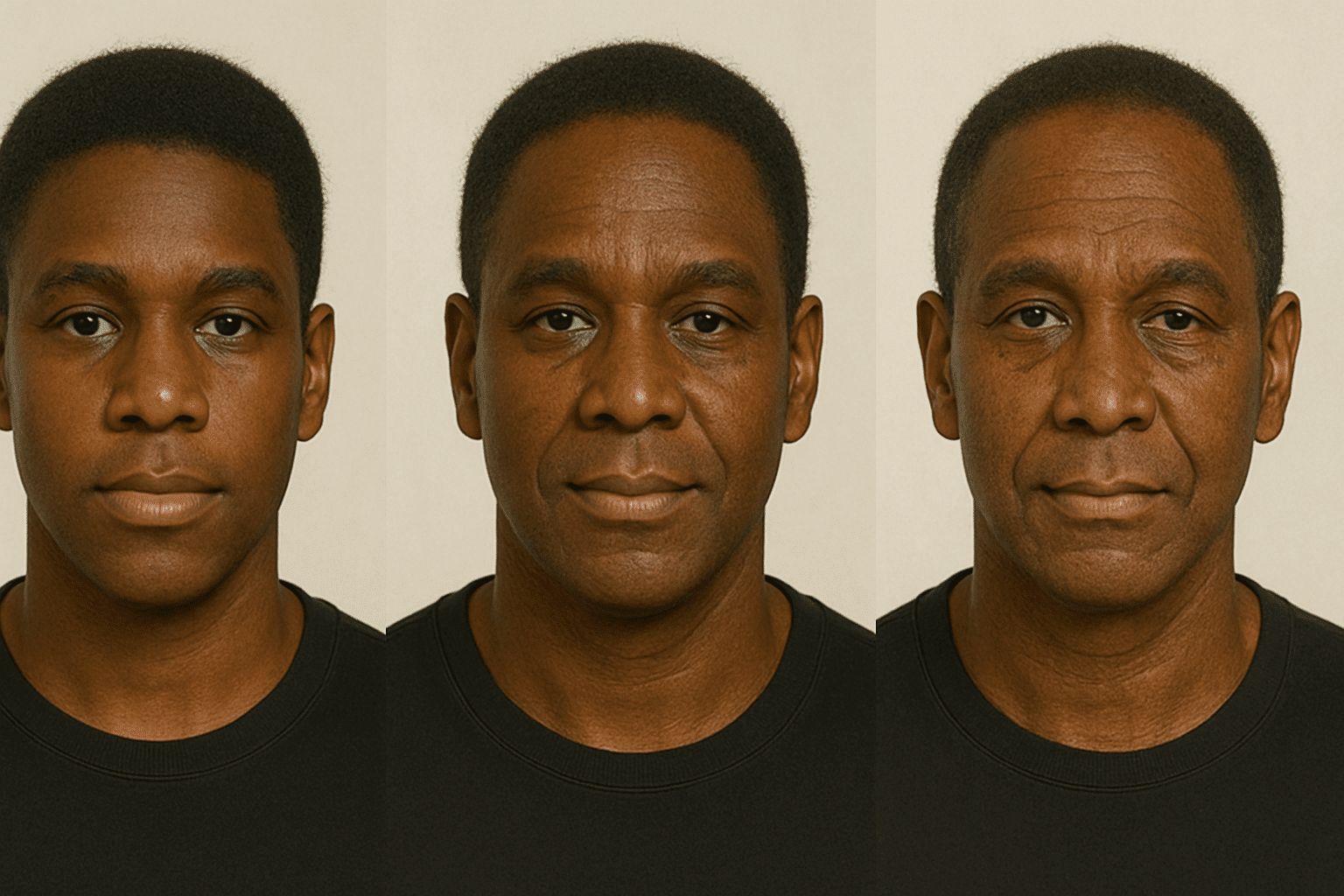
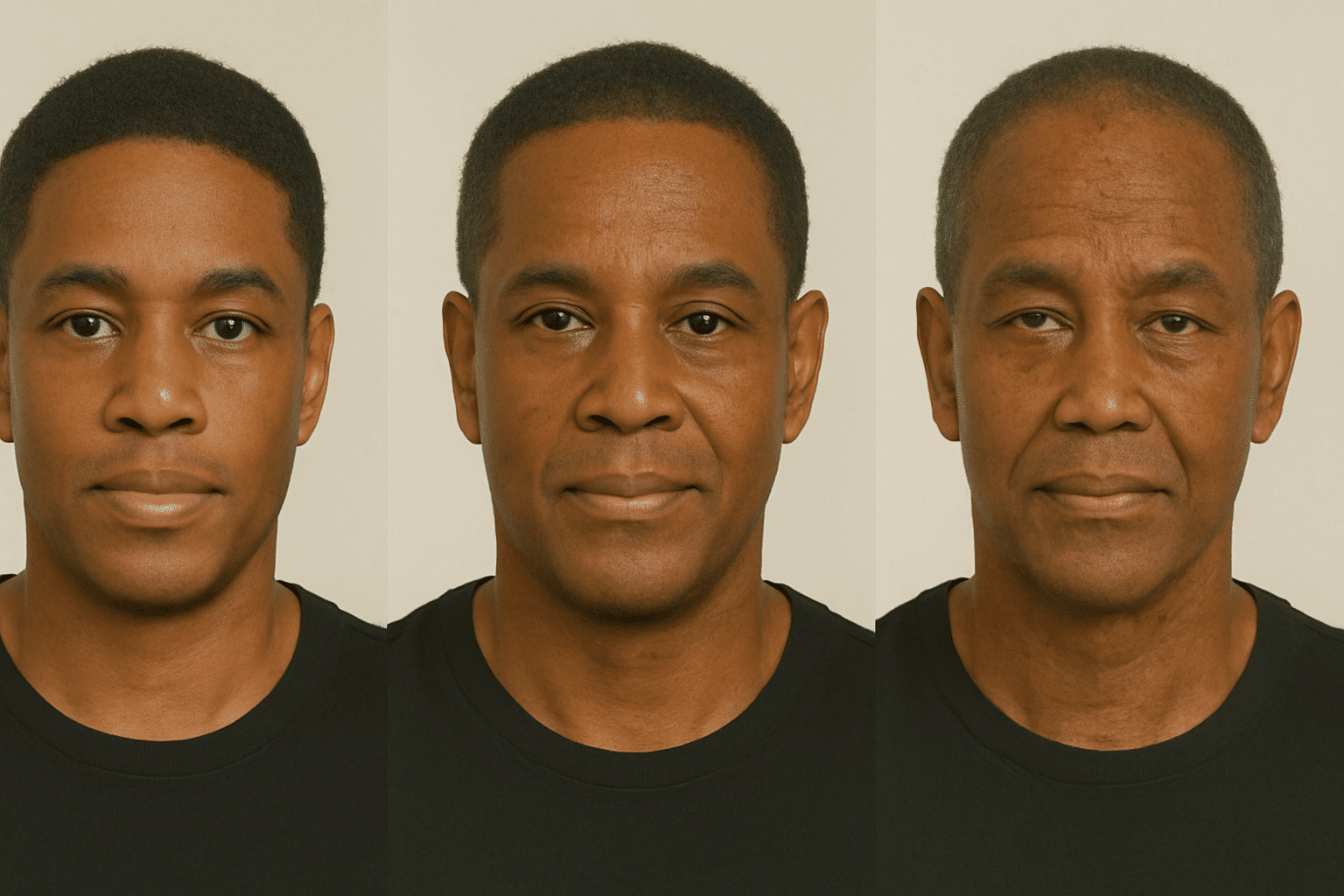
Your everyday choices play a big role in how your skin ages over time. Smoking, for example, can deepen lines around the eyes and mouth, thin lips, and reduce elasticity. In identical twin studies, the sibling with a longer smoking history often shows more wrinkles, sagging, and facial volume loss than the non-smoker. This highlights how smoking accelerates skin ageing independently of genetics. The good news is that quitting can gradually improve hydration, elasticity, and overall skin appearance over time.

Alcohol can also affect how your skin looks. Drinking heavily, around eight or more drinks a week, has been linked to under-eye puffiness, deeper forehead lines, and a loss of midface volume, while moderate drinking usually has much smaller effects.

Sleep and stress play a big role in skin health, too. Not getting enough sleep or going to bed late can leave your skin dry, less firm, and slower to repair itself. Chronic stress can also break down collagen and elastin, leading to fine lines and wrinkles. Making sleep and stress management a priority helps your skin recover and keeps it looking radiant.

Diet and exercise support your skin from the inside out. Eating nutrient-rich foods, like colourful fruits and veggies, oily fish, nuts, and whole grains, gives your skin the antioxidants and amino acids it needs to repair and stay elastic. Staying active boosts circulation and hydration, helping your skin maintain a healthy, youthful appearance.

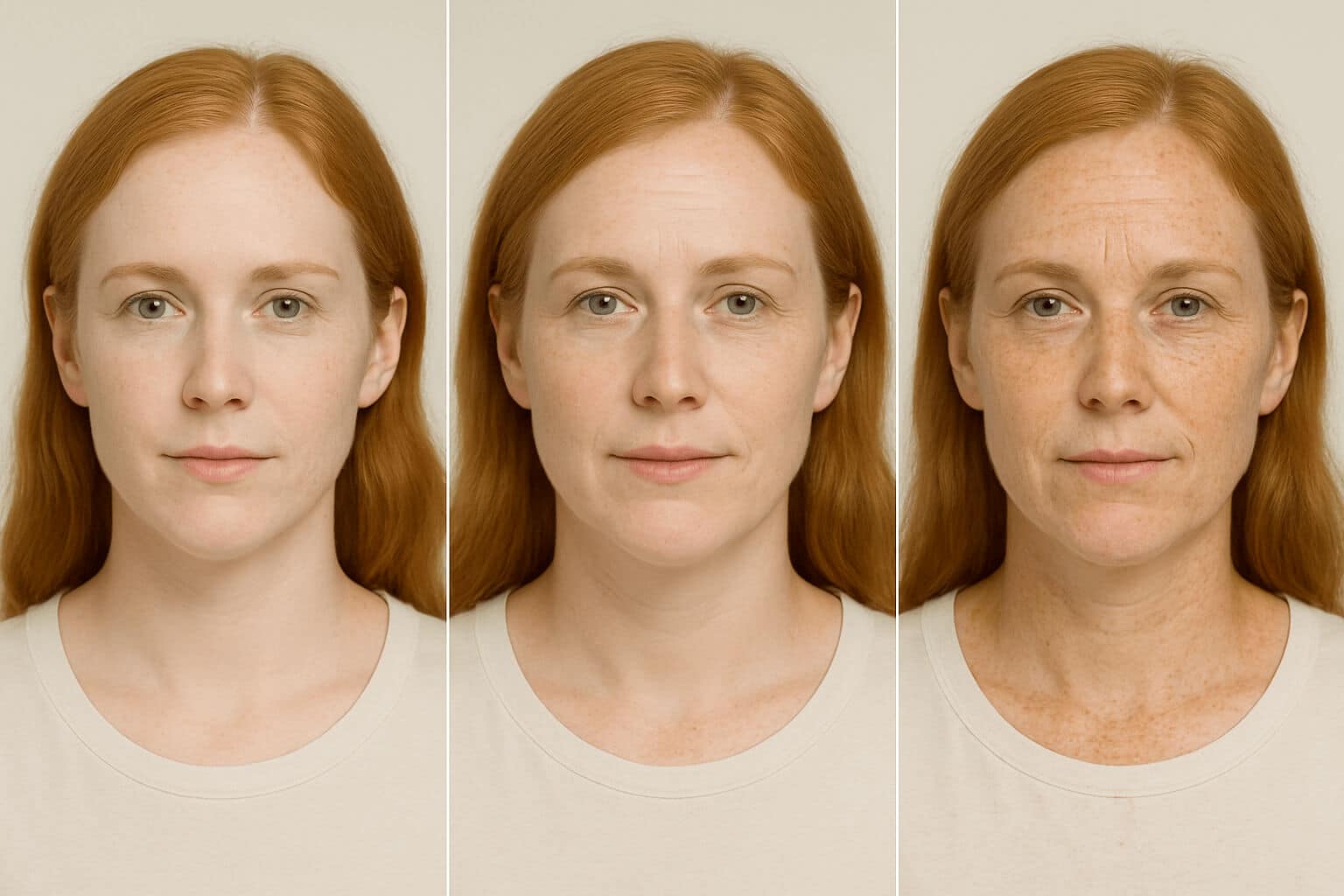
These images show how smoking can accelerate the signs of ageing over 25 years.

These images are AI-generated visual representations for illustrative purposes only and should not be taken as medical advice or exact predictions of individual outcomes.

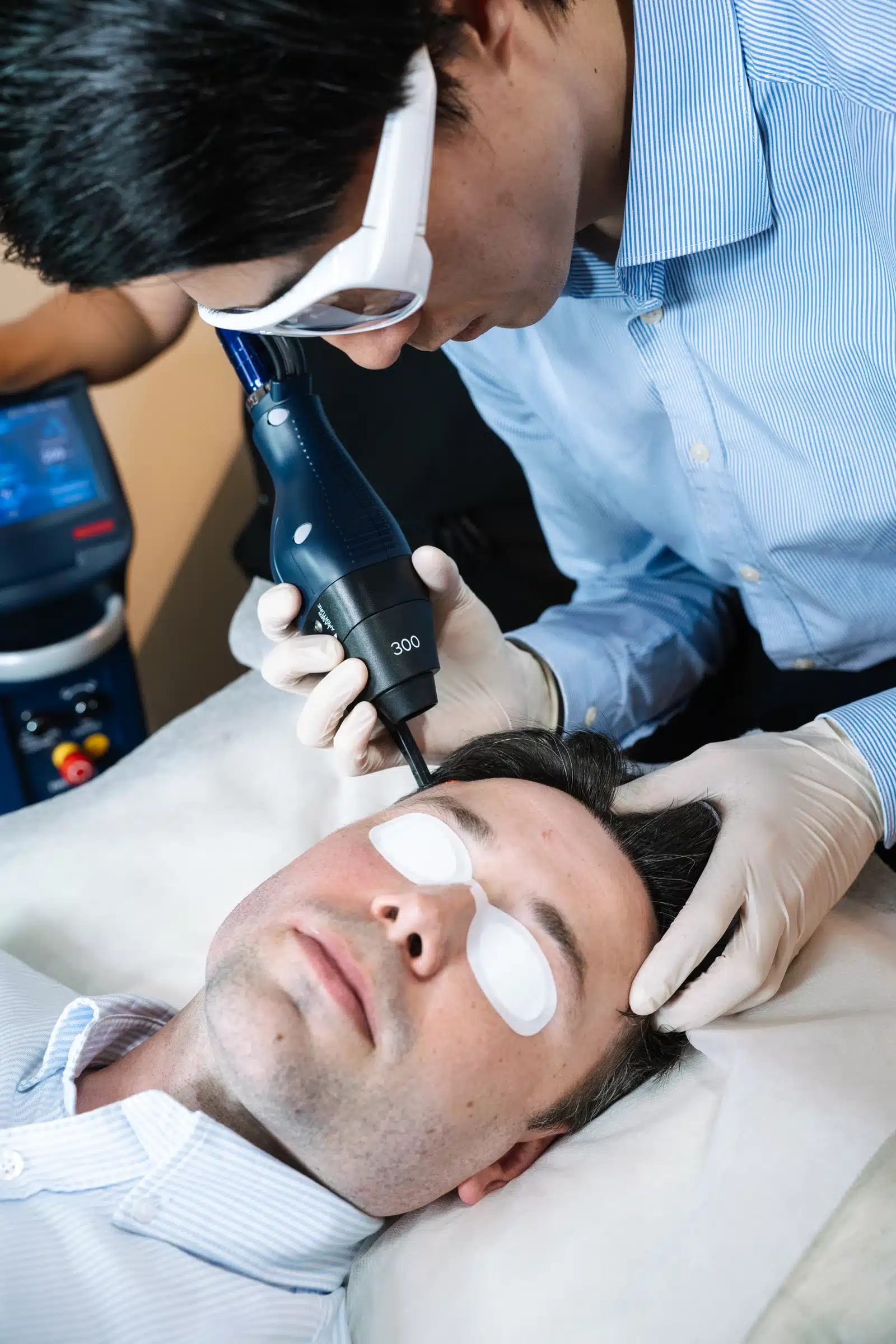
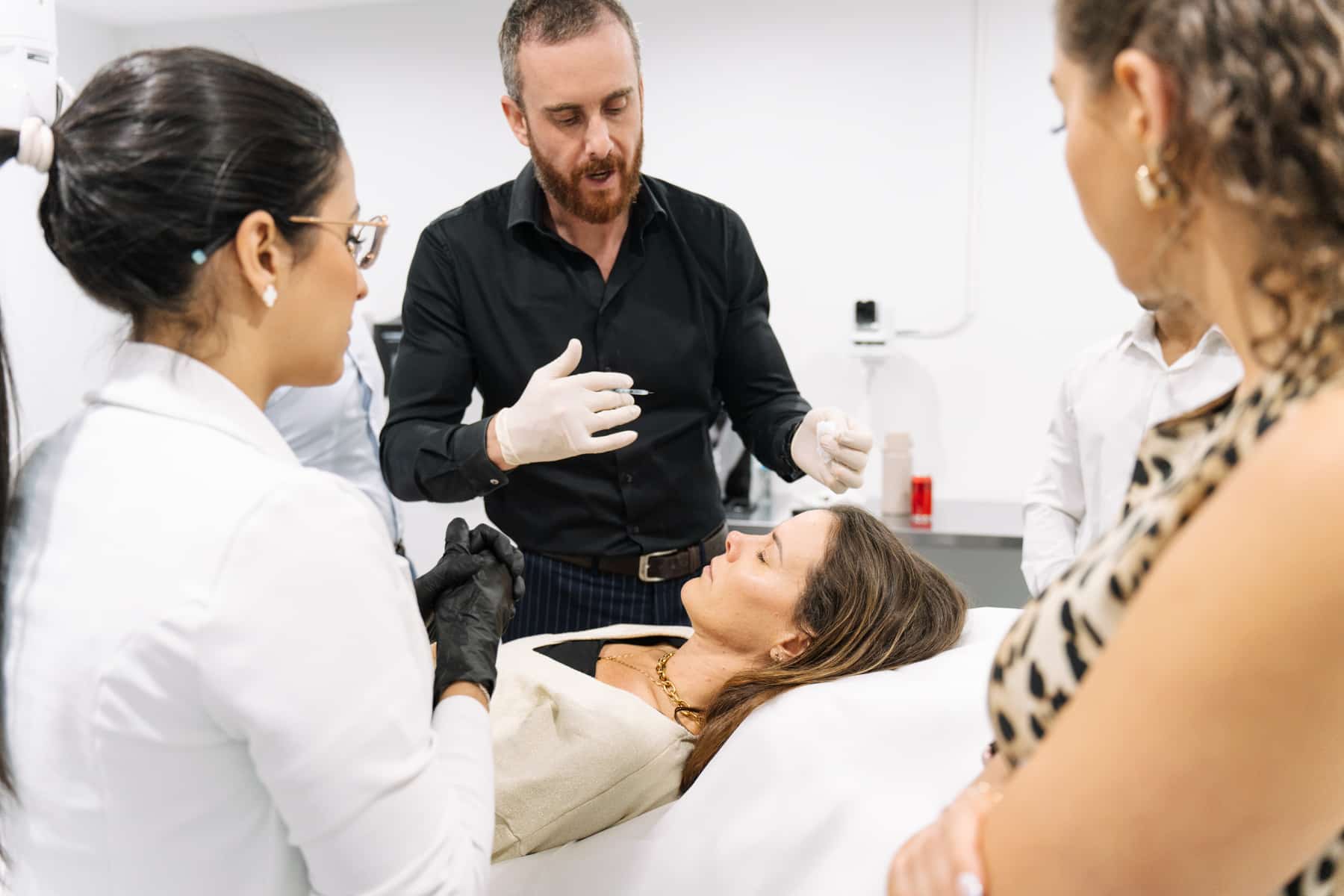
Male having skin treatment with cosmetic doctors to slow skin ageing with skincare

How To Slow Skin Ageing With Skincare

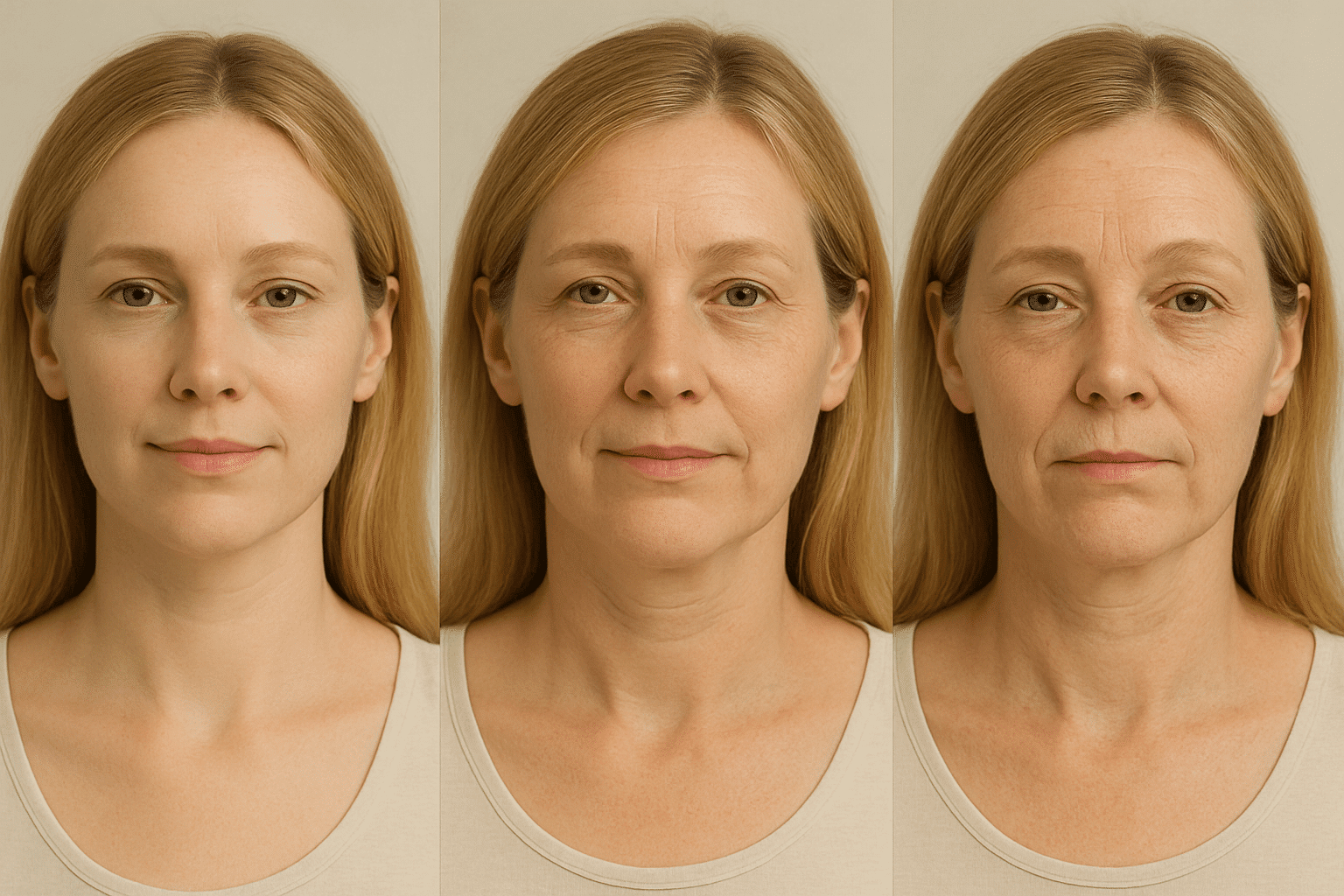
Targeted skincare routines can directly influence how your skin ages. Retinoids, derivatives of vitamin A, are highly effective in stimulating collagen production, smoothing texture, and reducing early lines. Early use, typically from the late 20s to early 30s, can help prevent the development of fine lines and uneven tone. Because retinoids can cause irritation initially, they should be introduced gradually and always used alongside daily sunscreen.

Antioxidants such as vitamin C, vitamin E, niacinamide, and plant polyphenols protect the skin from oxidative stress caused by UV exposure, pollution, and other environmental factors. This helps maintain elasticity, reduce fine lines, and support the skin’s natural repair processes. Antioxidants can be applied topically or consumed through diet, providing a dual layer of protection.

Moisturisers also play a vital role in maintaining skin health. They lock in hydration, reinforce the skin barrier, and prevent dryness, which can exacerbate fine lines and reduce elasticity. Using a moisturiser daily, typically in the morning and before bed, enhances the skin’s resilience against environmental stressors.

By combining these elements, retinoids, antioxidants, moisturisers and skin treatments,  you can maintain skin health, repair minor damage, and slow the visible signs of ageing. Consistency is key, and even small, sustained improvements in your skincare routine can have a noticeable impact over time.


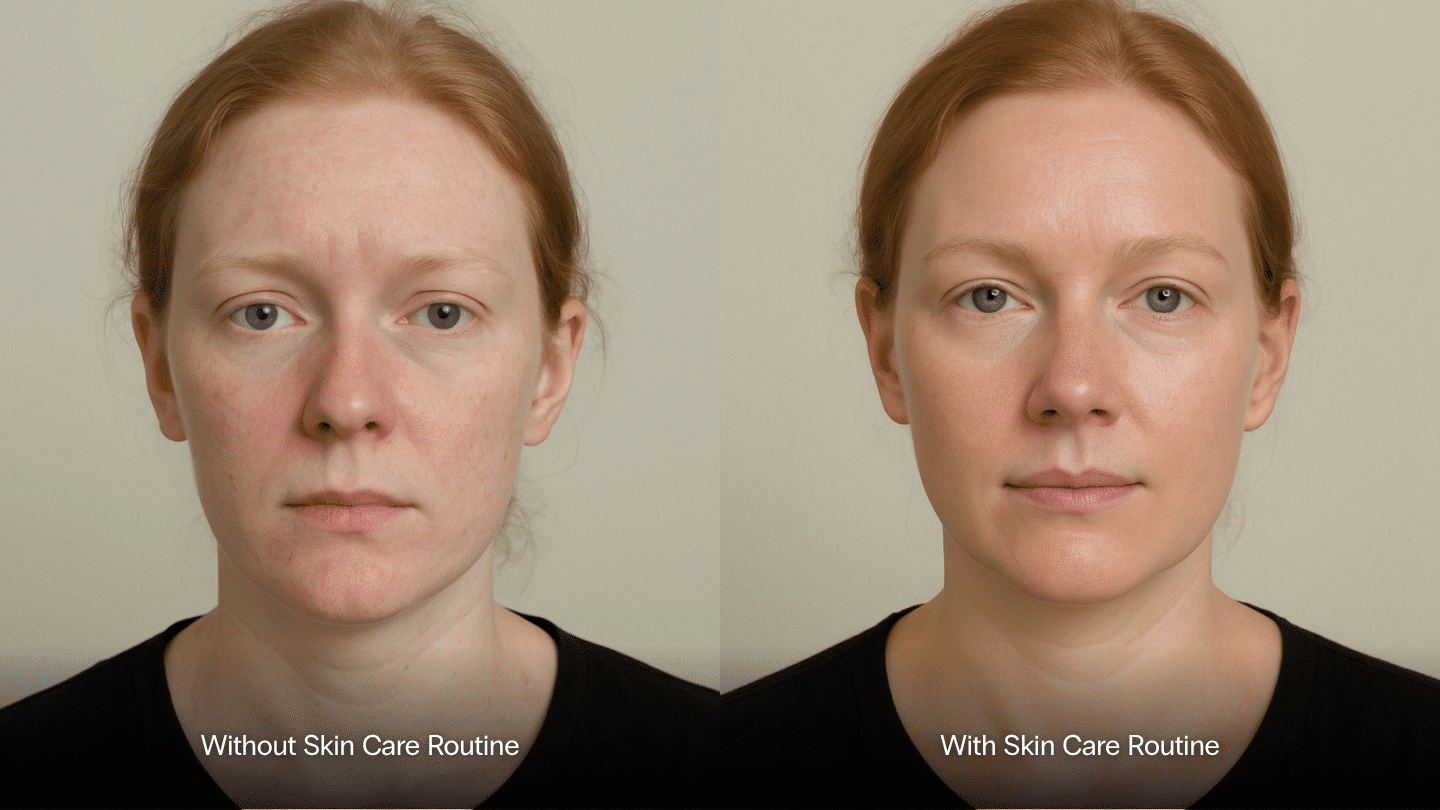
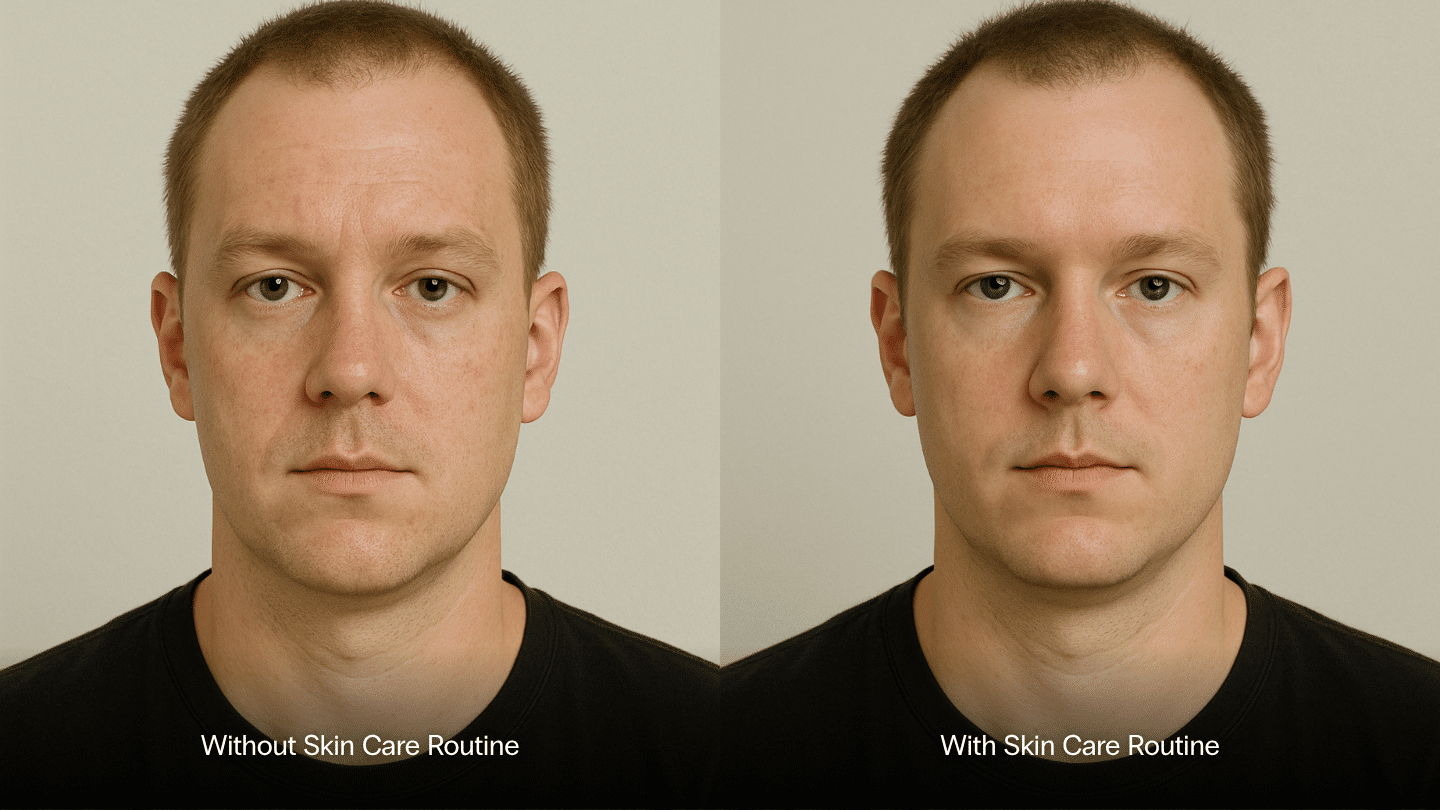
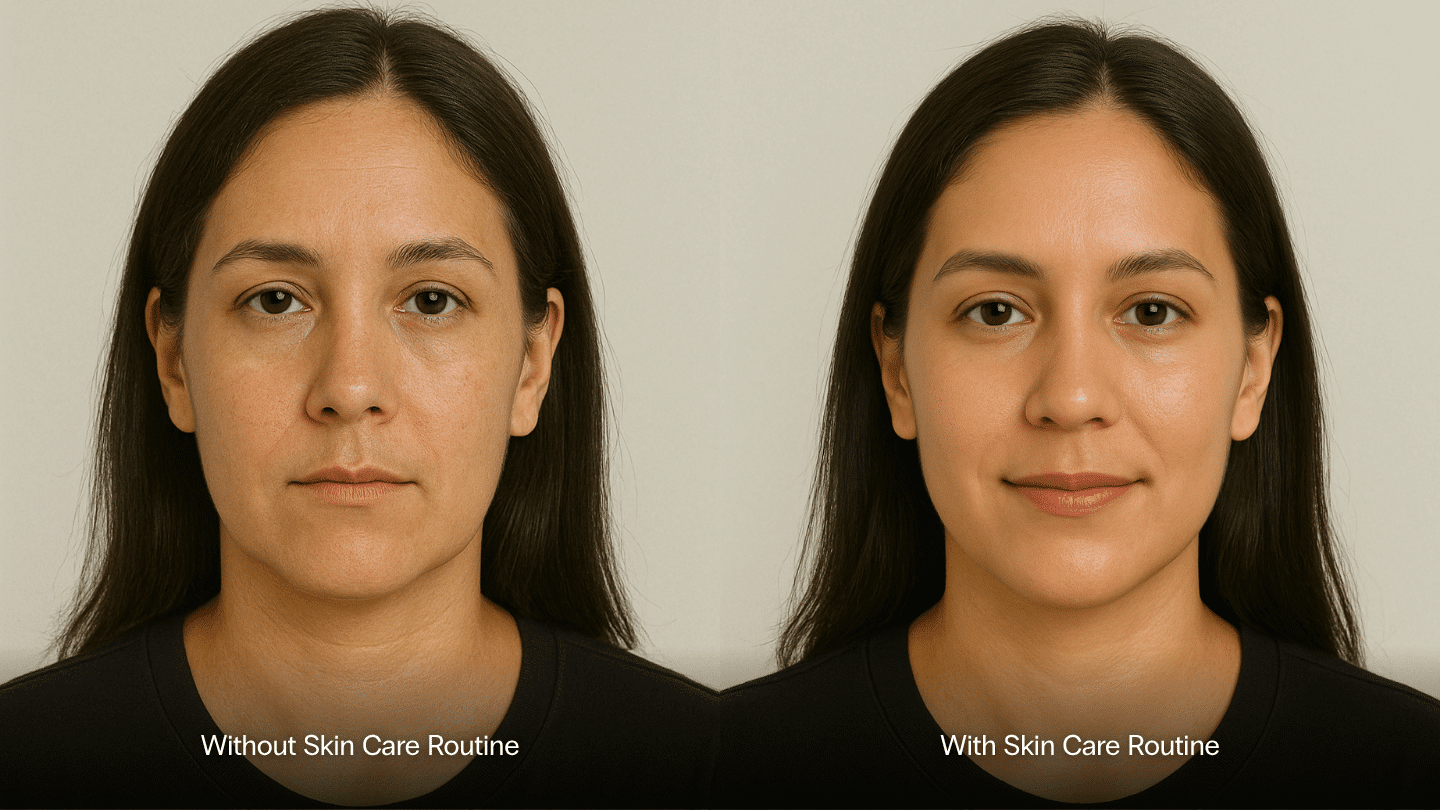
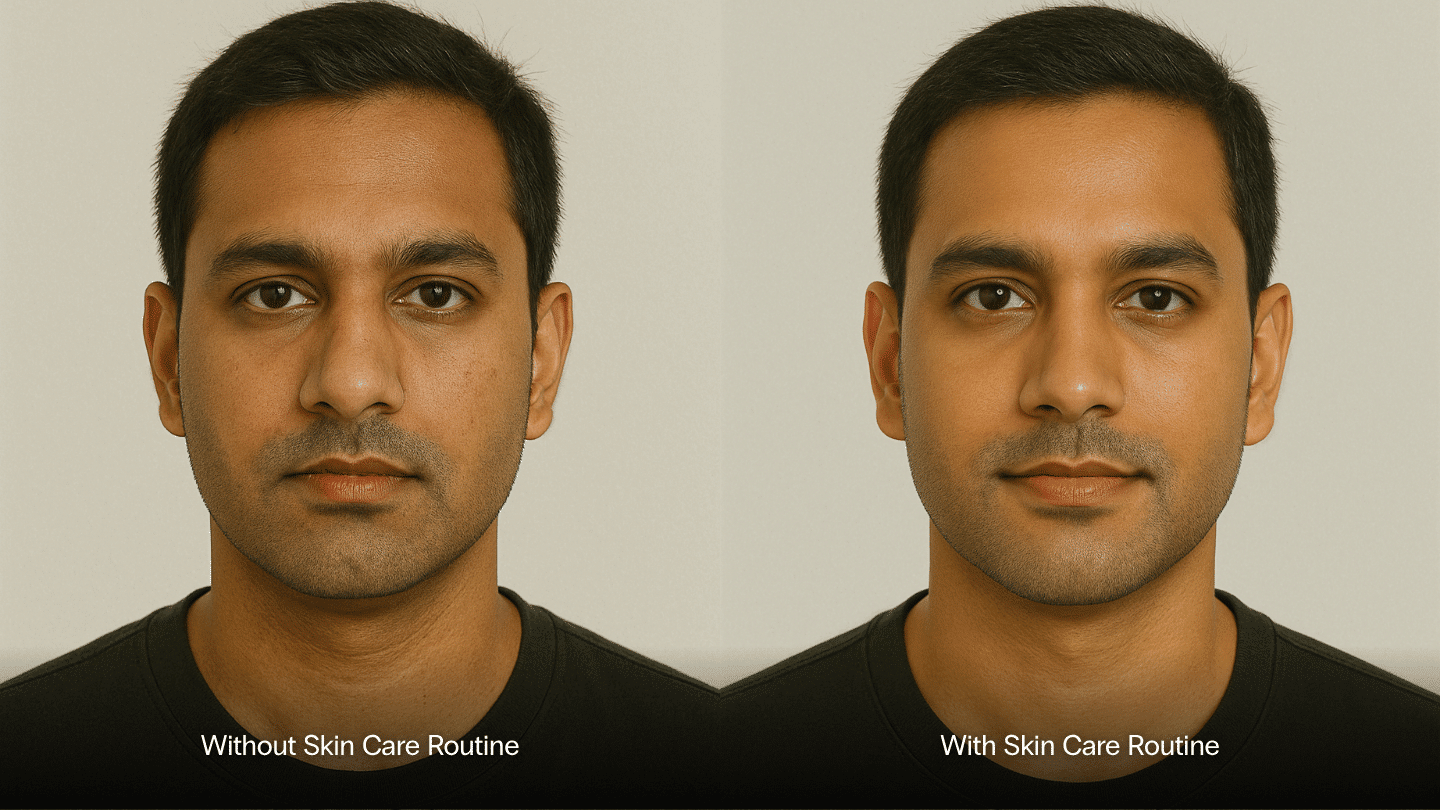
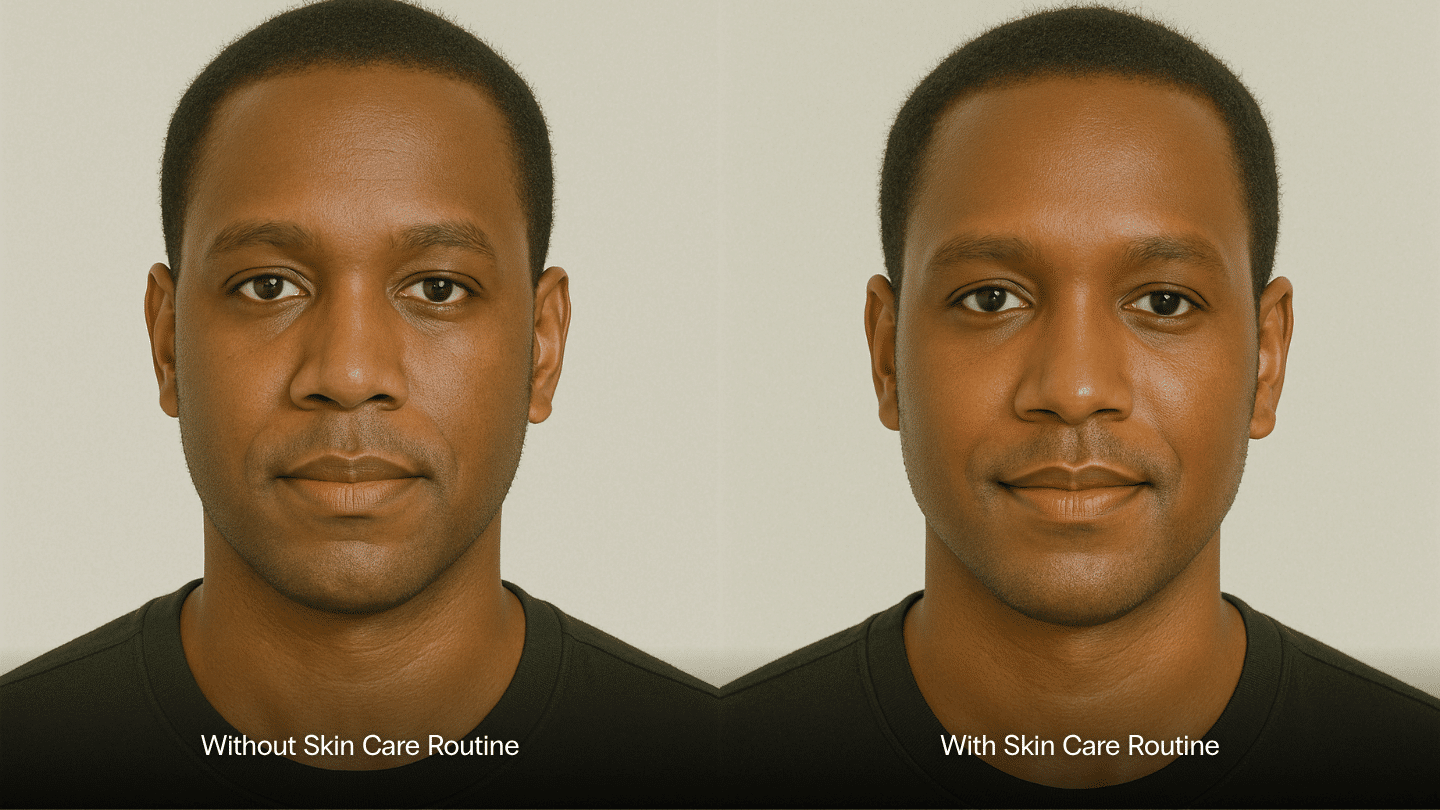
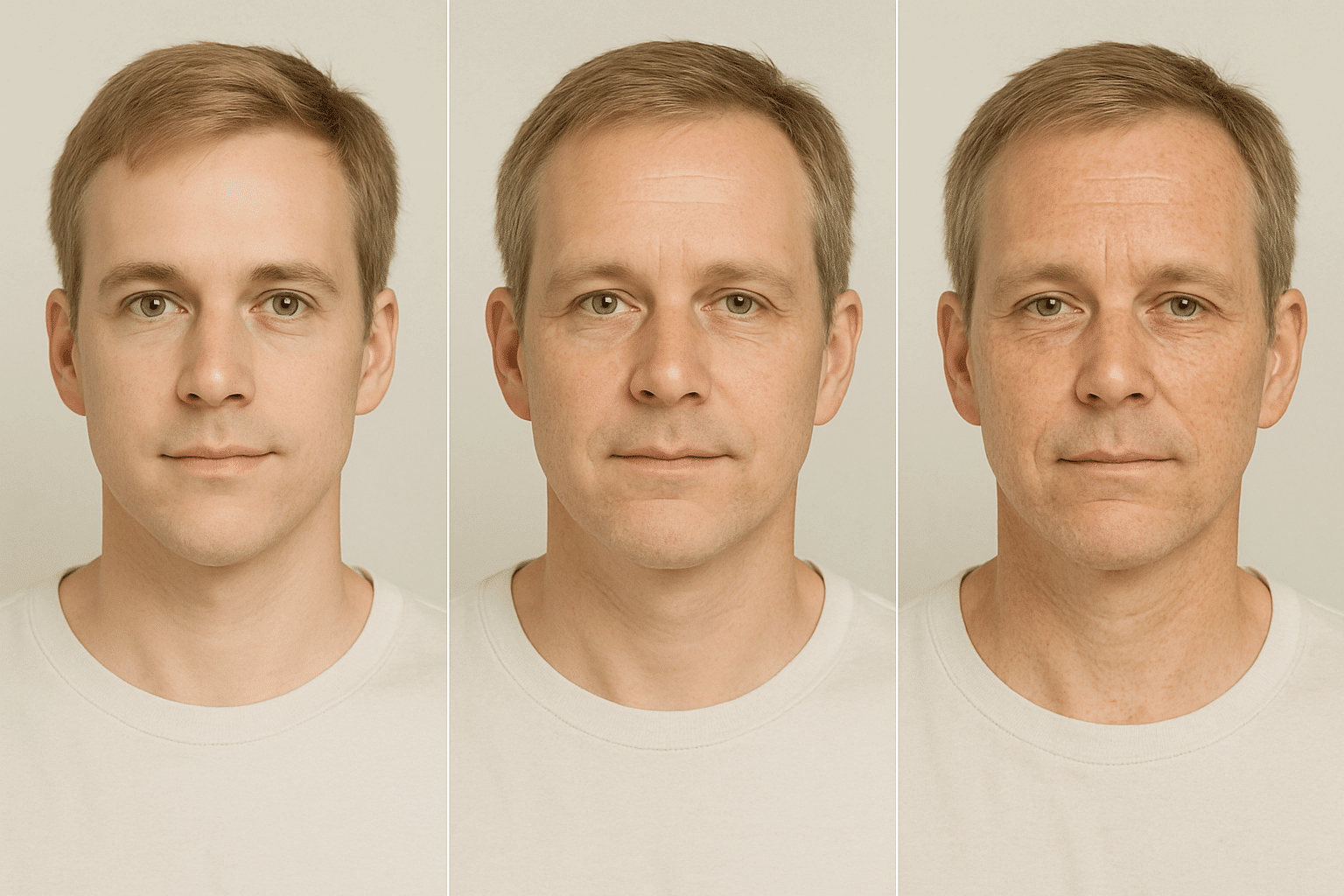
These images show how skincare habits can impact the appearance of your skin.

These images are AI-generated visual representations for illustrative purposes only and should not be taken as medical advice or exact predictions of individual outcomes.

How sun exposure affects skin ageing

How Sun Exposure Affects Skin Ageing

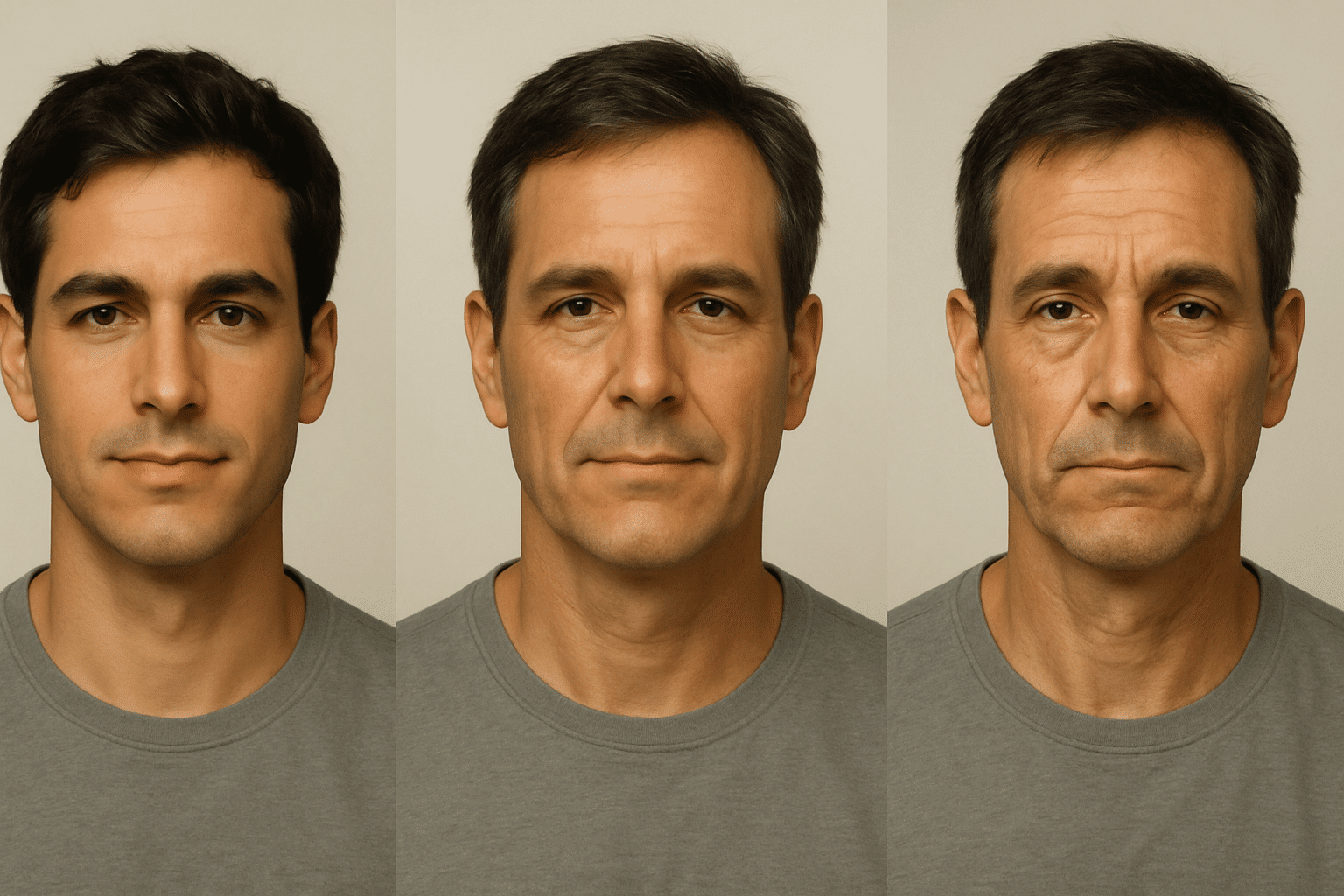
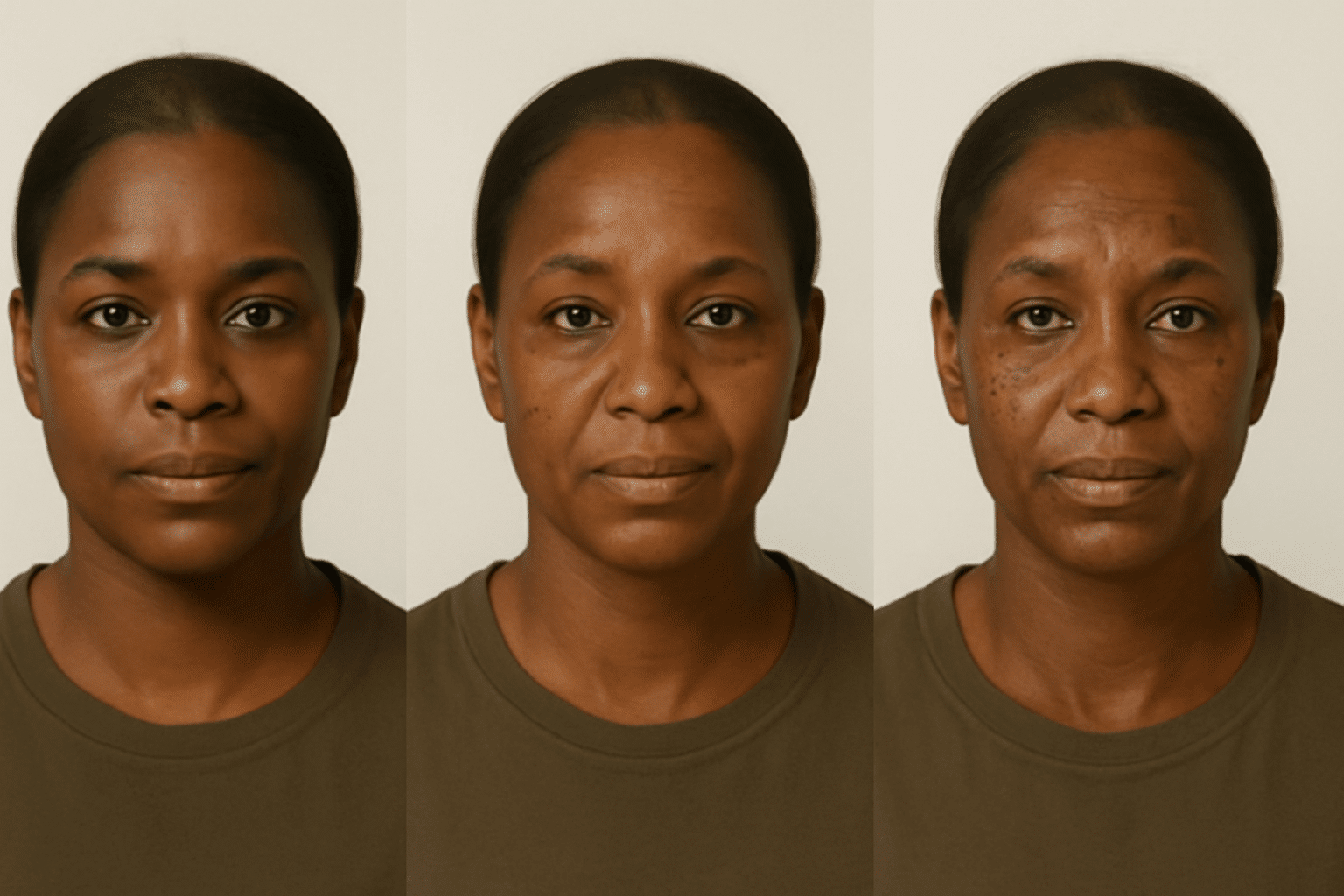
Sun exposure is the single biggest factor when it comes to visible skin ageing. UV rays penetrate deep into your skin, breaking down collagen and elastin, which can lead to wrinkles, fine lines, and changes in pigmentation. Even the occasional blistering sunburn or intentional tanning session can speed up ageing, making your skin look older than it really is. That’s why using a broad-spectrum sunscreen every day, even on cloudy days or when you’re mostly indoors, is so important. SPF 30 or higher, applied to all exposed areas and reapplied every two hours when you’re outside, offers the best protection.

Your skin type also affects how sensitive you are to UV damage. Fairer skin types (Fitzpatrick 1-2) are the most vulnerable, while medium to darker skin types (3-5) have more natural protection, but everyone is still at risk of wrinkles and pigmentation. If you have fair skin, it’s especially important to be extra careful during peak UV hours (10 am–3 pm), wearing protective clothing and a hat in addition to your sunscreen.

By consistently combining daily SPF, targeted actives like retinoids and antioxidants, and supportive moisturisation, you create an integrated approach that slows visible ageing, helps maintain elasticity, and keeps your skin looking healthy over time.

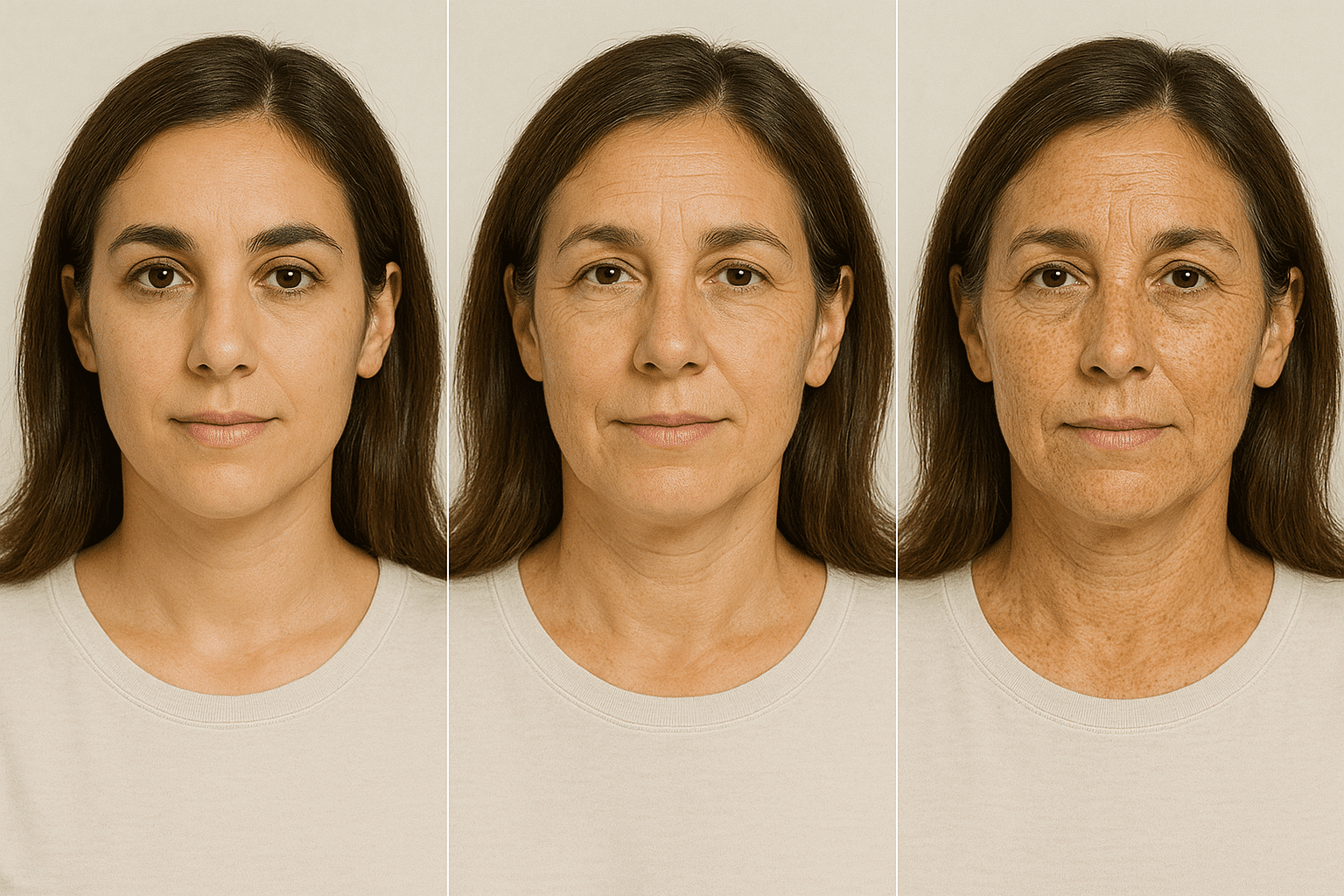
These images highlight how repeated UV exposure without SPF can accelerate skin ageing over 25 years.

These images are AI-generated visual representations for illustrative purposes only and should not be taken as medical advice or exact predictions of individual outcomes.

Your skin’s story isn’t set in stone; it’s shaped by the choices you make every day.

From the food you eat and the hours you sleep to the way you protect yourself from the sun, each habit leaves its mark. The encouraging part is that it’s never too late to make changes that support healthier, stronger, and more radiant skin. Think of your Skin Age result not as a verdict, but as a starting point for small, consistent steps that help you look and feel your best over time.

Dr Josh Wall, CEO and Founder of Contour Clinics, comments:

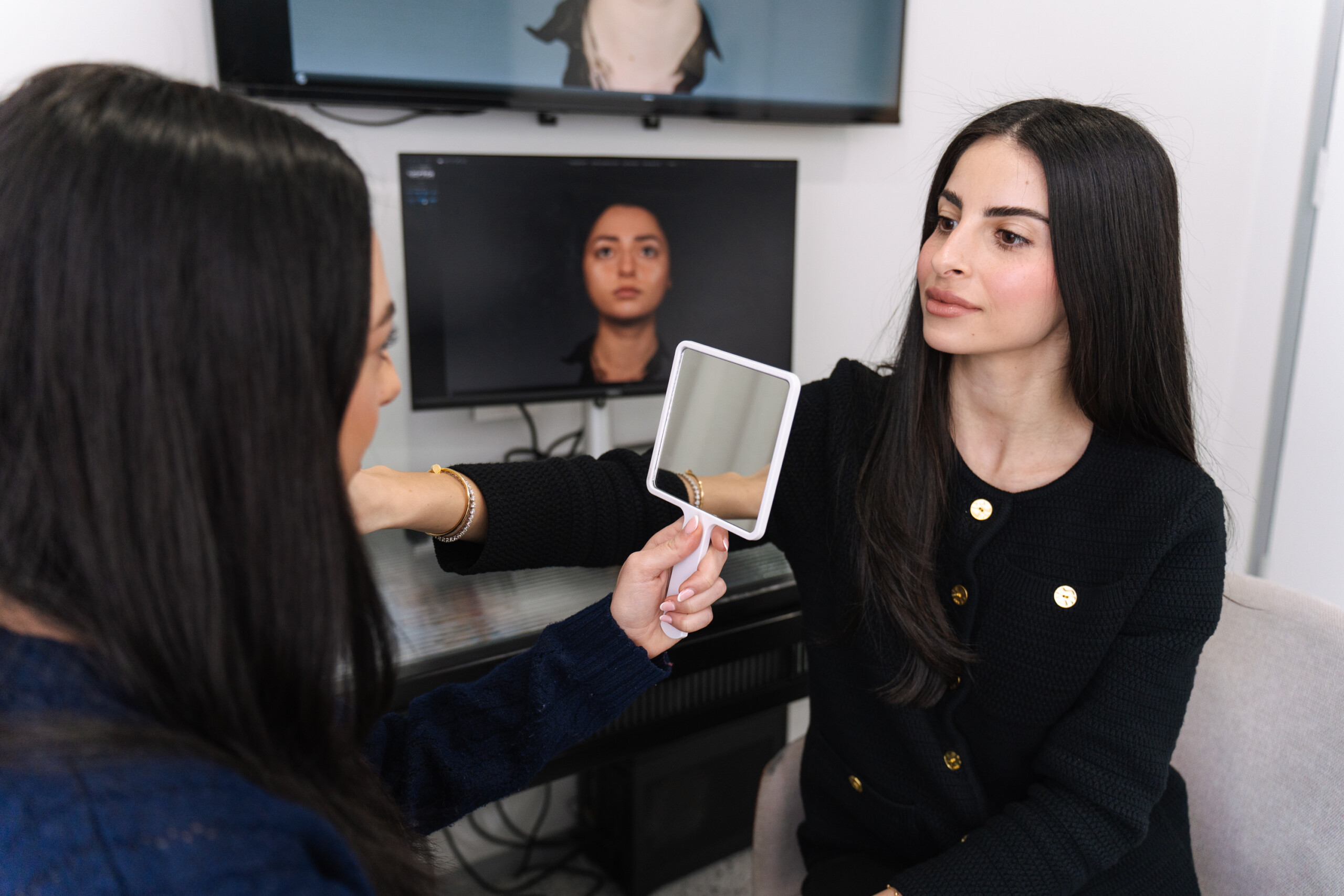
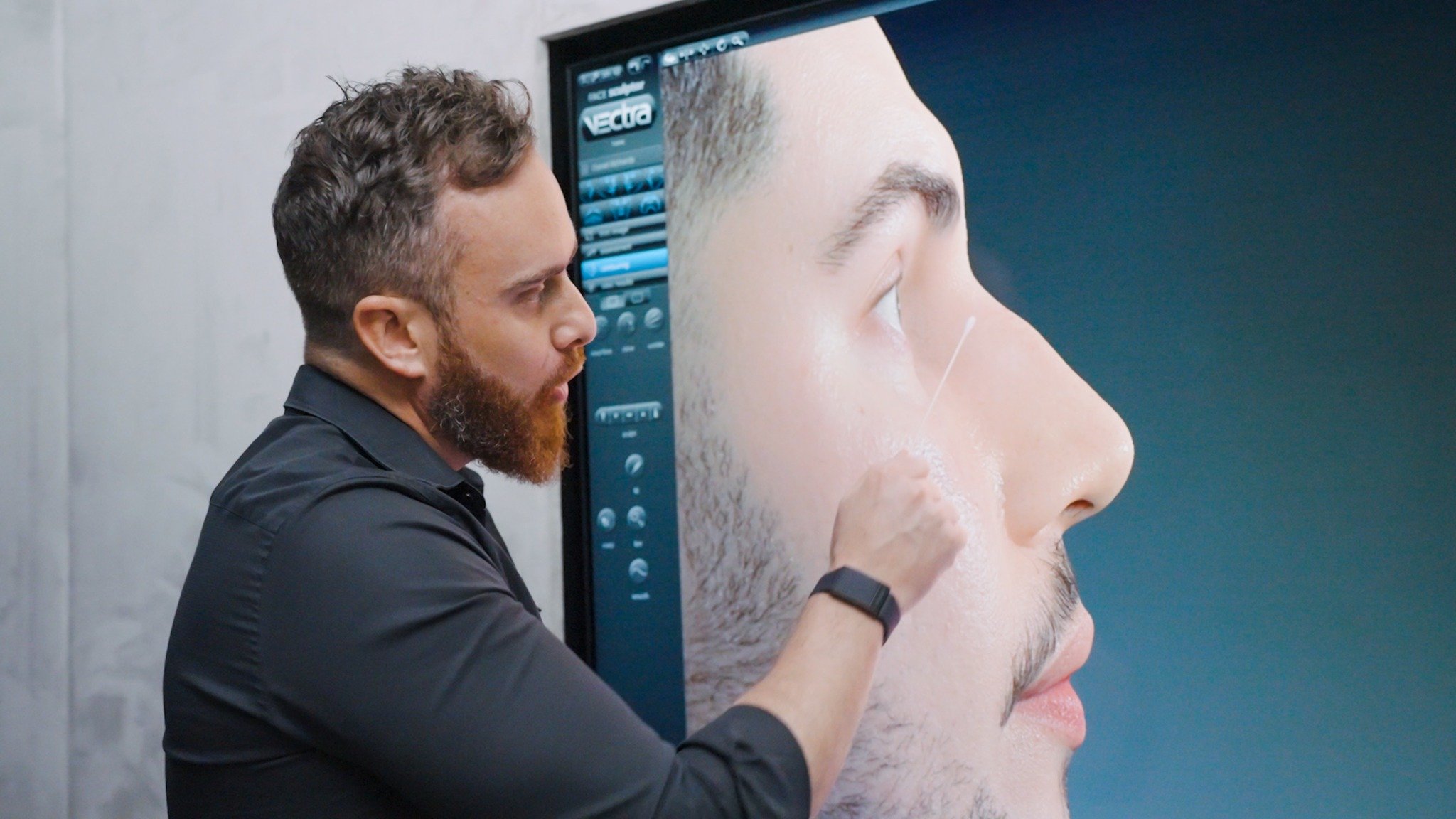
“Skin ageing is a natural process, but how it shows up can be influenced by your habits, skincare, and targeted treatments. While there’s no guaranteed way to turn back the clock, there are evidence-based options that can restore lost volume, improve skin quality, and help maintain a youthful appearance over time. At Contour Clinics, we take a personalised approach and can use a state-of-the-art machine that gives a deeper insight into your skin’s condition, providing a three-dimensional view of your face and highlighting subtle signs of ageing. These tools, combined with a tailored treatment plan from our highly experienced cosmetic doctors, help ensure your treatments align seamlessly with your goals and support long-term skin health.”

The most asked questions about skin ageing - answered by doctors

The Most Asked Questions About Skin Ageing - Answered By Doctors

We asked Dr Josh to also clear up the most common questions about ageing skin — and what you can really do about it.

1. At what age do you start to visibly look older?

Many people think wrinkles are the first sign of ageing, but that’s actually a myth. In most cases, the earliest visible change is a loss of skin radiance and uneven tone in the late 20s to early 30s. This happens as collagen production begins to decline and cell turnover slows down. Fine lines usually follow, but dullness and pigmentation are often the first giveaways.

2. What ages skin the most?

Sun exposure is the single biggest contributor to visible skin ageing. UV rays penetrate the skin and damage collagen and elastin fibres, leading to wrinkles, sagging, and pigmentation. While genetics and lifestyle play a role, protecting your skin from UV is by far the most effective way to slow ageing

3. Can I reverse my skin ageing?

A common misconception is that drinking collagen supplements or applying collagen creams will “reverse” skin ageing. In reality, most collagen molecules are too large to penetrate the skin, and oral supplements may only have modest benefits. What truly works are treatments that stimulate your own collagen production, like retinoids, chemical peels, or energy-based devices. Combined with sunscreen and antioxidants, these can improve the look of ageing skin.

4. What habits slow down ageing?

Daily sunscreen use is the most powerful habit you can adopt. A diet rich in antioxidants, regular exercise, quality sleep, and stress management also supports healthier skin. Adding evidence-based skincare ingredients like retinoids and vitamin C can further protect and repair skin as you age.

5. What routine is best for ageing skin?

An effective routine doesn’t need to be complicated. In the morning, use a gentle cleanser, an antioxidant serum such as vitamin C, and broad-spectrum SPF 30 or higher. At night, focus on repair with a retinoid and a nourishing moisturiser. Consistency is key — these steps build resilience and maintain healthier, younger-looking skin over time.

Nose threads sydney

About The Data

The Skin Age Calculator was built using a combination of published dermatological research, lifestyle studies, and aggregated public insights. To understand which everyday habits most influence skin ageing, we drew on both peer-reviewed findings and popular queries from sources like Answer the Public to identify the questions people ask most about skin health.

Data Sources & Research

  • Dermatology and lifestyle studies: Research exploring the effects of smoking, alcohol, sleep, stress, diet, and physical activity on skin health provided the foundation for our scoring system.
  • UV and skincare research: Studies on sun exposure, sunscreen use, tanning, and skincare ingredients (such as retinoids, antioxidants, and moisturisers) informed adjustments to “skin age” based on protective or harmful behaviours.
  • Public search insights: We included data from Answer the Public to align the calculator with real questions people are asking about skin ageing. This ensured the tool is relevant to everyday concerns like “What ages skin the most?” or “What routine slows down ageing?”

Methodology

Each answer in the calculator contributes positive or negative “years” to a baseline skin age score:

  • Negative adjustments reflect protective behaviours (e.g., daily SPF use, retinoids, regular exercise, healthy diet).
  • Positive adjustments capture risk factors (e.g., smoking, high stress, alcohol overuse, frequent sunburns, tanning beds).
  • Skin type weighting: Fitzpatrick skin phototypes were factored in to account for differences in UV sensitivity (e.g., fairer skin types accrue higher penalties from sun exposure).
  • Capped scoring: To avoid extremes, adjustments were limited to a reasonable range, ensuring results remain realistic rather than exaggerated.

Our Output

The outcome is a personalised Skin Age Score that compares your “skin age” against your real age, accompanied by a breakdown of which habits contribute most. While the numbers in this calculator may differ slightly from raw academic estimates (to simplify and balance the tool for general use), the methodology remains rooted in credible research and expert commentary.

This project forms part of The Skin Age Report & Calculator campaign, designed not only to help individuals understand how lifestyle impacts skin ageing, but also to answer the most searched questions about skincare with research-backed insights from doctors and experts.

Dr. Josh Wall

About Dr. Josh Wall

Dr Wall has over a decade of experience in non-surgical cosmetic treatments. Founder and Medical Director of Contour Clinics, he is an active clinician, educator and media commentator, known for advanced CO₂ laser resurfacing, natural revolumising, bio-remodelling and bio-stimulation, and male enhancements.

Are You Ready?

Book Now

Ready to book? Still have questions? Leave us a message and we will get back to you as soon as possible.


or call us on 1300 233 803